Wireless vs Wired Audiophile Headphones for Lossless Music
When you’ve finally built a lossless library—whether it’s FLAC, ALAC, or high‑resolution DSD—you want a headphone that can actually hear every nuance you spent time transcoding. The big question that pops up next is whether to go wireless or stay wired. Both paths can deliver audiophile‑grade detail, but they do it in very different ways and each brings its own set of trade‑offs in codec support, power, ergonomics, and system requirements. This guide breaks down the technical factors that matter for lossless listening, matches them to real‑world use cases, and points you toward the headphone types that fit each scenario. By the end you’ll know exactly which style—wired, wireless, or a hybrid—will let you enjoy your high‑resolution music the way it was meant to sound.
Quick picks
- Pure‑wired studio headphones – Best for static‑free critical listening in a fixed location.
- Premium lossless‑compatible wireless over‑ears – Ideal for high‑fidelity playback on the move with long‑lasting battery life.
- Detachable‑cable hybrid headphones – Give you the freedom of Bluetooth at home and a wired connection in the studio.
- True‑wireless earbuds with high‑resolution codecs – Perfect for commuters who still demand lossless detail.
- Planar‑magnetic wired headphones with low impedance – Suited for audiophiles who want the utmost detail and have a dedicated headphone amp.
What to look for
1. Codec support and bandwidth
Lossless music isn’t just about file size; it’s about how much data can travel from source to driver. Wired headphones have virtually unlimited bandwidth, so any 24‑bit/96 kHz (or higher) stream will arrive unaltered. Wireless headphones rely on Bluetooth codecs. Look for aptX HD, LDAC, or LC3‑Plus—they each push up to 576 kbps or more, enough for 24‑bit/96 kHz in most cases. If you stream from a device that supports Apple’s Lossless AAC or a dedicated LDAC‑enabled Android player, make sure the headphones list those codecs explicitly.
2. Driver technology and enclosure type
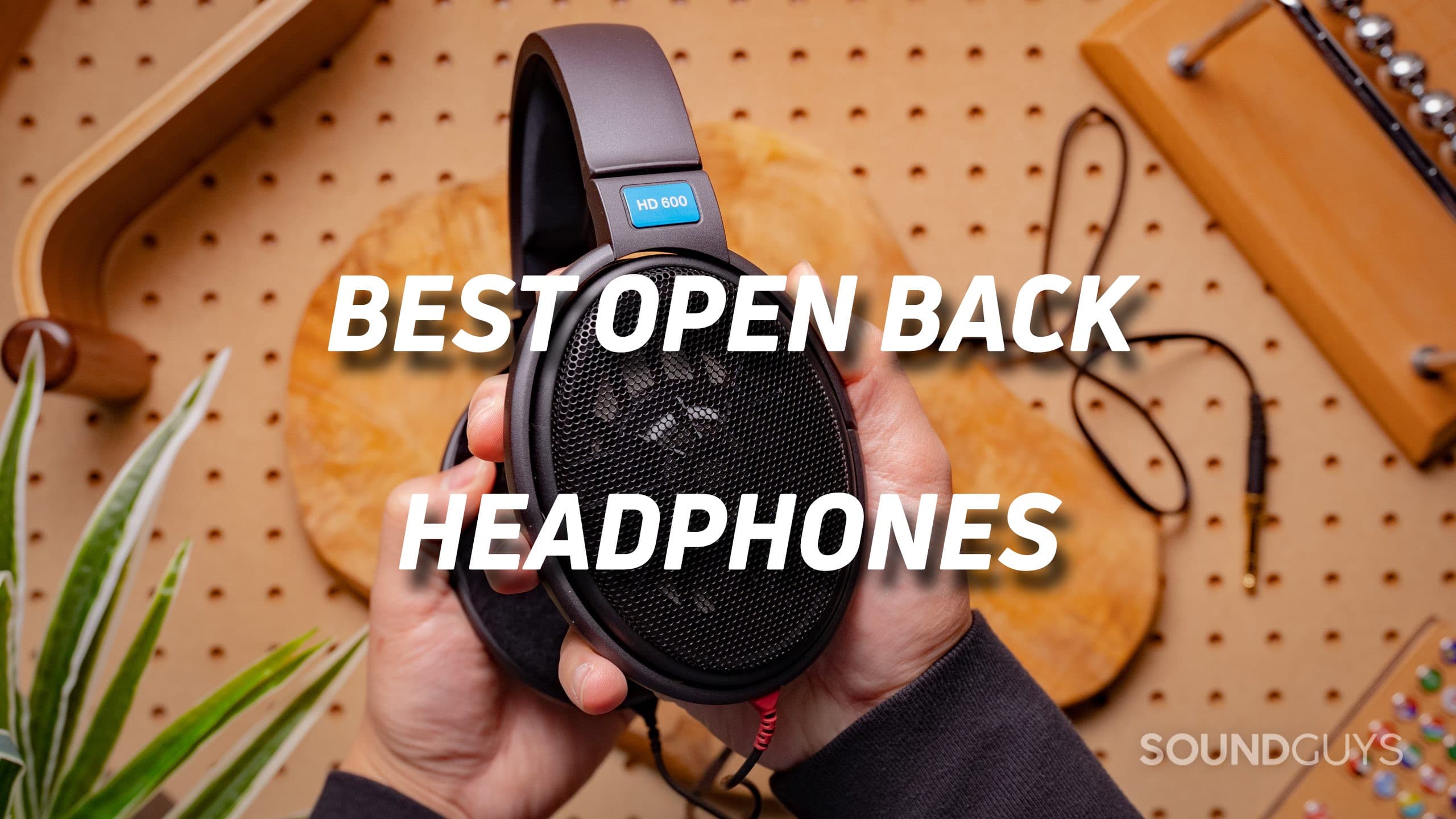
Open‑back drivers give a wider soundstage and more natural imaging—great for critical listening but they leak sound. Closed‑back designs provide isolation, useful in noisy environments but can tame the sense of space. Planar‑magnetic drivers excel at ultra‑low distortion and fast transient response; dynamic drivers are more common and can still be very detailed when tuned properly. Choose the driver type that matches your listening environment and tonal preference.
3. Impedance and sensitivity
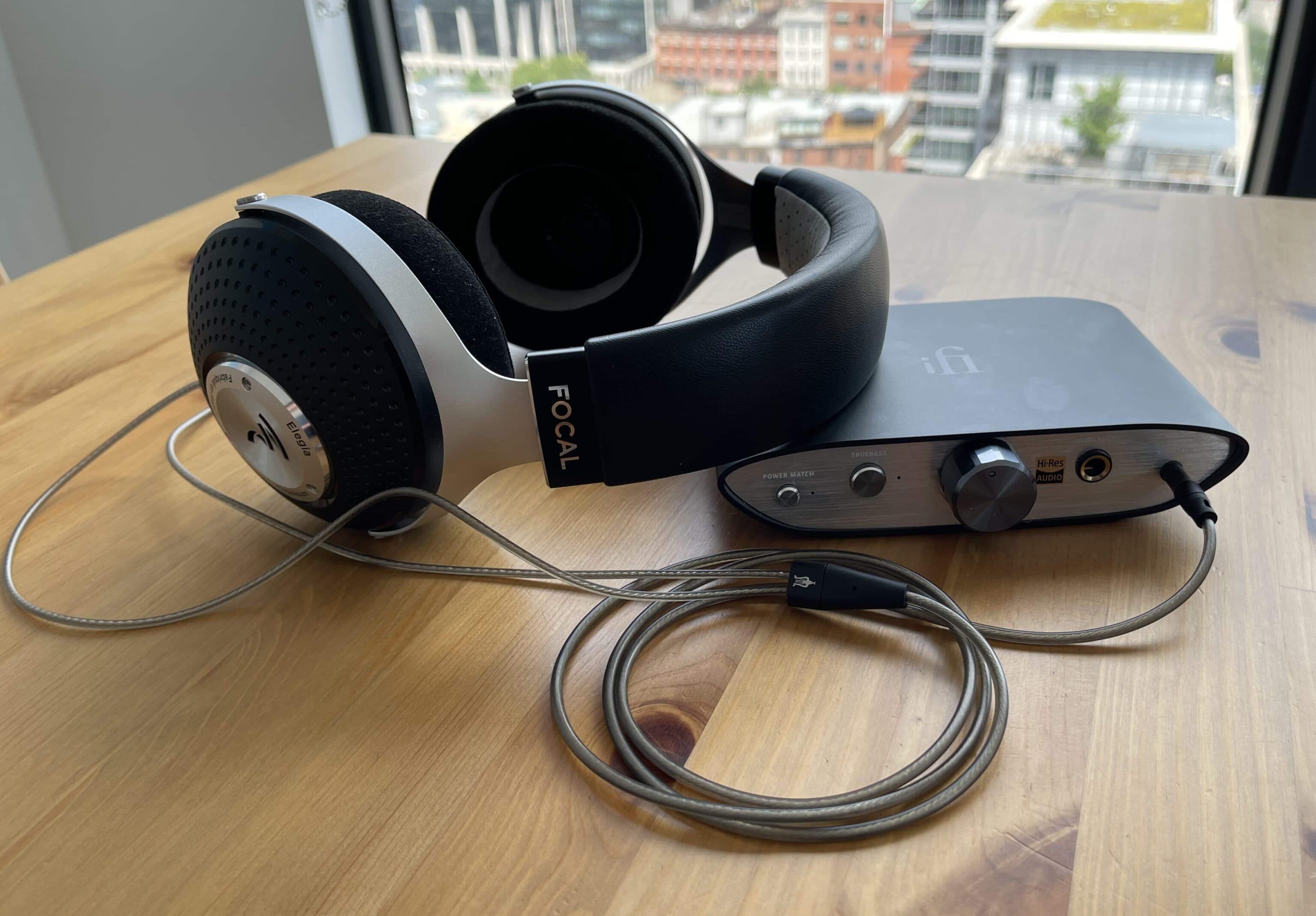
High‑impedance headphones (e.g., 250 Ω or more) often need a dedicated headphone amplifier to reach their full potential, especially when used wired. Low‑impedance models (≤ 32 Ω) can be driven directly from most smartphones, laptops, or portable DACs. Sensitivity (dB SPL per mW) tells you how loudly a pair will play at a given power level; higher sensitivity can compensate for lower output voltage from portable sources.
4. Battery life and power management (wireless only)
A lossless‑compatible wireless headphone should give you at least 8–10 hours of playback at high codec rates before needing a recharge. Some models offer a quick‑charge feature—10 minutes for an hour of listening—or a swap‑out battery design for continuous use. Keep an eye on standby power draw, especially if you plan to leave them on while you work.
5. Build quality and cable options
For wired setups, the cable is part of the signal path. Look for oxygen‑free copper (OFC) or silver‑plated conductors, detachable cables, and robust 3‑5 mm connectors (or MMCX for detachable cables). A braided or kevlar‑reinforced cable reduces micro‑phonics and wear. On the wireless side, a sturdy headband and replaceable earpads extend the product’s lifespan.
6. Comfort and isolation
Audiophile listening sessions can last several hours. Weight distribution, ear‑cup padding, and clamping force are all critical. Open‑back headphones often feel lighter because the ear cups are larger and less padded, while closed‑back models need extra padding to counteract pressure. Look for adjustable headbands and memory‑foam earpads for long‑term comfort.
7. Ecosystem and connectivity
If you already own a USB‑C DAC, a balanced‑armature portable amp, or a high‑resolution streaming device, check that the headphone’s connectors match (e.g., 2.5 mm balanced, 4.4 mm pentaconn, or standard 3.5 mm). For wireless users, verify that the headphones support multipoint pairing so you can switch between a phone and a laptop without re‑pairing each time.
Our picks
High‑Resolution Wired Over‑Ear Headphones
If you sit at a desk, a mixing console, or a dedicated listening chair, a wired pair that uses planar‑magnetic or high‑end dynamic drivers gives you the cleanest possible signal path. Look for detachable OFC cables, an open‑back design for spacious imaging, and an impedance that matches your amp (typically 250 Ω or higher). These headphones excel at revealing micro‑details in lossless recordings—instrument separation, subtle reverb decay, and faint ambience. The main trade‑off is portability; you’ll need a cable and a source you can plug into, so they’re not ideal for gym sessions or travel.
Shop this type: Check price on Amazon →
Premium Lossless‑Compatible Wireless Over‑Ears
For commuters and travelers who refuse to sacrifice fidelity, premium wireless headphones that support LDAC or aptX HD are the sweet spot. Choose a model with a large, closed‑back driver that still offers a semi‑open soundstage, a battery life of at least 10 hours at high codec rates, and a quick‑charge option. Many of these headphones also include an auxiliary 3.5 mm jack for wired use when the battery runs out, giving you flexibility without losing the convenience of Bluetooth. Expect a slightly higher price tag and a small amount of latency, which isn’t an issue for music but can affect gaming.
Shop this type: Check price on Amazon →
Detachable‑Cable Hybrid Headphones
Hybrid headphones give you the best of both worlds: a wireless mode for on‑the‑go listening and a high‑quality detachable cable for studio work. Look for a design that uses a balanced 2.5 mm or 4.4 mm connector when wired, and a Bluetooth codec stack that includes LDAC plus AAC for Apple devices. These headphones often feature replaceable earpads and a sturdy headband, making them durable enough for daily use. The compromise is added complexity—switching between modes can require a firmware update or app configuration—but the versatility is hard to beat.
Shop this type: Check price on Amazon →
True‑Wireless Earbuds with High‑Resolution Codecs
When your listening sessions are short—commuting, a quick run, or a coffee break—true‑wireless earbuds that support aptX Adaptive or LDAC can deliver lossless‑grade audio in a pocket‑sized package. Prioritize models with wire‑cable backup (a tiny cable that can be attached for emergency power) and IPX4+ resistance for sweat protection. While earbuds can’t match the soundstage of over‑ear headphones, modern drivers and advanced DSP can reproduce a surprisingly detailed sound, especially for vocal‑centric tracks. Keep in mind the limited battery life (typically 4–5 hours) and the need for a charging case.
Shop this type: Check price on Amazon →
Planar‑Magnetic Wired Studio Headphones (Low Impedance)
For audiophiles who already own a powerful headphone amp, planar‑magnetic headphones with a low‑impedance rating (≈ 30 Ω) provide ultra‑low distortion and razor‑sharp transients. These models often come with a single‑ended cable that can be upgraded to a balanced cable for even more clarity. They excel at rendering the full depth of high‑resolution files—especially those with wide dynamic range like orchestral or jazz recordings. The downside is that they can be heavier and may require a sturdy headband to prevent fatigue during long sessions.
Shop this type: Check price on Amazon →
How to choose
Start by defining where you’ll listen most. If your primary setup is a fixed listening chair with a high‑end DAC, wired headphones give you the cleanest path and let you match impedance to your amp. If you need freedom to move—traveling, walking, or listening from a couch—look for wireless models with lossless codec support; verify that the codec (LDAC, aptX HD, or LC3‑Plus) is compatible with your source device.
Next, decide on open‑back vs closed‑back. Open‑back delivers a spacious soundstage but leaks sound; closed‑back isolates you from ambient noise but can feel more “in‑your‑head.” If you’re in a quiet studio, open‑back wired headphones are the top choice. If you’re in a noisy office or commute, a closed‑back wireless or hybrid pair is more practical.
Finally, consider power and amp requirements. Low‑impedance headphones work well directly from phones, while high‑impedance or planar‑magnetic pairs need a dedicated amp or a high‑output DAC. Make sure your current gear can drive the headphones you pick, or be ready to add an amp to your chain.
By aligning your listening environment, mobility needs, and existing equipment with the specs above, you’ll land on the headphone style that lets your lossless library truly shine.
FAQ
What is the difference between lossless and high‑resolution audio?
Lossless audio (e.g., FLAC, ALAC) preserves the original PCM data without compression artifacts, typically up to 24‑bit/96 kHz. High‑resolution audio often refers to files that exceed CD quality—24‑bit/192 kHz or DSD—even higher sampling rates—offering more detail, especially in the upper frequency range.
Can Bluetooth really deliver lossless sound?
Bluetooth can’t match the raw bandwidth of a wired connection, but modern codecs like LDAC (up to 990 kbps) and aptX HD (up to 576 kbps) are capable of transmitting 24‑bit/96 kHz streams, which is effectively lossless for most listeners. The key is ensuring both the source and headphones support the same codec.
Do I need a headphone amp for wired audiophile headphones?
If your headphones have an impedance above 100 Ω, a dedicated amp often provides the voltage needed for full dynamics and control. Low‑impedance models (≤ 32 Ω) can usually be driven adequately by phones, laptops, or portable DACs.
How important is a detachable cable for wired headphones?
A detachable cable makes it easy to replace a damaged cable, upgrade to a higher‑grade or balanced cable, and store the headphones more conveniently. It also reduces stress on the jack, extending the life of the headphones.
Will open‑back headphones work in a noisy apartment?
Open‑back designs leak sound outward and allow ambient noise in, so they’re best suited to quiet rooms. In a noisy environment, you’ll either need to raise the volume (which can cause ear fatigue) or switch to a closed‑back or wireless model with isolation.
Is there a noticeable latency with lossless wireless headphones?
When using high‑quality codecs like LDAC or aptX HD, latency typically sits between 30‑70 ms—well below the threshold that affects music enjoyment. Latency becomes a concern only for gaming or video editing, where wired connections are still preferred.
Should I consider true‑wireless earbuds for audiophile listening?
True‑wireless earbuds have improved dramatically and can handle lossless codecs, but they still face limits in driver size and battery life. They’re great for casual, on‑the‑go listening, but wired over‑ear headphones remain the benchmark for the most detailed, immersive experience.
Bottom line
Both wired and wireless audiophile headphones can faithfully render lossless music; the choice hinges on how you plan to listen. Wired headphones give you unlimited bandwidth, absolute detail, and flexibility with high‑impedance setups—but they lock you to a source. Wireless headphones equipped with lossless‑capable codecs free you from cables while still delivering impressive fidelity, provided you match the codec and have enough battery life. Hybrid and detachable‑cable models bridge the gap, offering both mobility and studio‑grade performance. By weighing your environment, mobility needs, and existing gear against the specs outlined above, you can select the headphone style that will let every nuance of your lossless library shine.