Open‑Back Headphones vs Earphones for Immersive Sound
You’re tired of headphones that sound amazing at home but leak music into the office, or earphones that feel cramped after a few hours. The core of the problem is choosing a format that matches your environment, comfort needs, and sound‑stage expectations. This guide cuts through the jargon, compares the two formats side‑by‑side, and points you to the right product for your budget and daily routine.
Quick picks
- Open‑back over‑ear headphones for a spacious home soundstage
- Hybrid in‑ear monitors with vented shells for portable detail
- Semi‑open headphones for a balance of isolation and openness
- Noise‑cancelling earphones for travel‑ready immersion
- Studio‑grade planar‑magnetic open‑backs for critical listening
What to look for
1. Soundstage and imaging
Open‑back drivers have a large acoustic aperture, letting sound leave the ear cup and interact with the room. This creates a wide stage where instruments appear in distinct locations. Earphones rely on multiple drivers and digital cross‑feed to simulate width; the illusion is usually tighter. If a three‑dimensional soundscape tops your list, prioritize open‑back headphones with proven imaging.
2. Isolation vs. bleed
Open‑backs let ambient noise in and music out, making them unsuitable for noisy apartments or cubicles. In‑ear models with a snug seal block external sound and keep your audio private. Vented earphones offer a middle ground—some airflow reduces ear fatigue while still providing decent isolation.
3. Frequency response and driver technology
Both formats can be flat and reference‑grade, but driver choices differ. Open‑backs often use dynamic, planar‑magnetic, or electrostatic drivers that excel in low‑end depth and smooth highs. Earphones typically employ balanced armature, dynamic, or hybrid drivers; hybrids pair a larger dynamic driver for bass with armatures for detail. Aim for a range extending below 20 Hz and a smooth roll‑off past 20 kHz.
4. Comfort and wearing time
Over‑ear headphones distribute weight across the head and usually include padded cups that stay comfortable for 4‑6 hours. Earphones are lightweight but a poor fit can cause pressure points in the canal. Look for interchangeable tips, ergonomic shells, and adjustable headband tension.
5. Portability and usage scenario
Travelers and commuters favor earphones for their tiny footprint. Open‑backs, even collapsible ones, need a case and are more fragile. If your primary listening spot is a desk or listening room, the larger form factor is a minor inconvenience.
6. Source compatibility and amplification
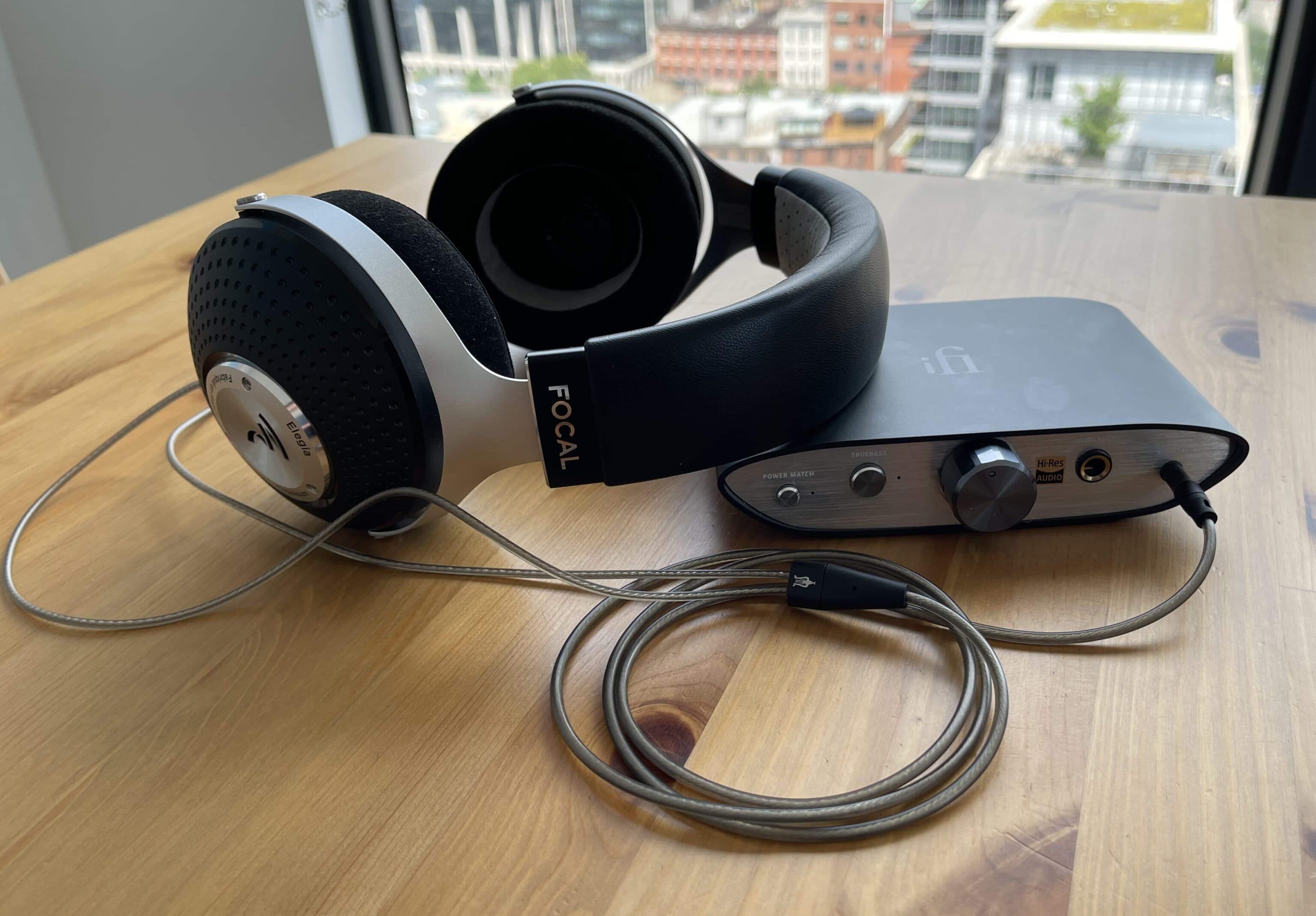
High‑impedance or planar‑magnetic open‑backs often require a dedicated amp to reach peak performance. Most earphones have low impedance and drive directly from phones, laptops, or portable DACs. Factor amp cost into your total budget.
7. Build quality and maintenance
Open‑backs usually feature robust housings, replaceable cushions, and detachable cables—designs that extend lifespan. Earphones can be delicate; thin cables and tiny driver housings are vulnerable to moisture and earwax. Prefer models with detachable cables, moisture‑resistant shells, and user‑replaceable tips.
Our picks
A spacious home‑listening pair – Open‑back over‑ear headphones
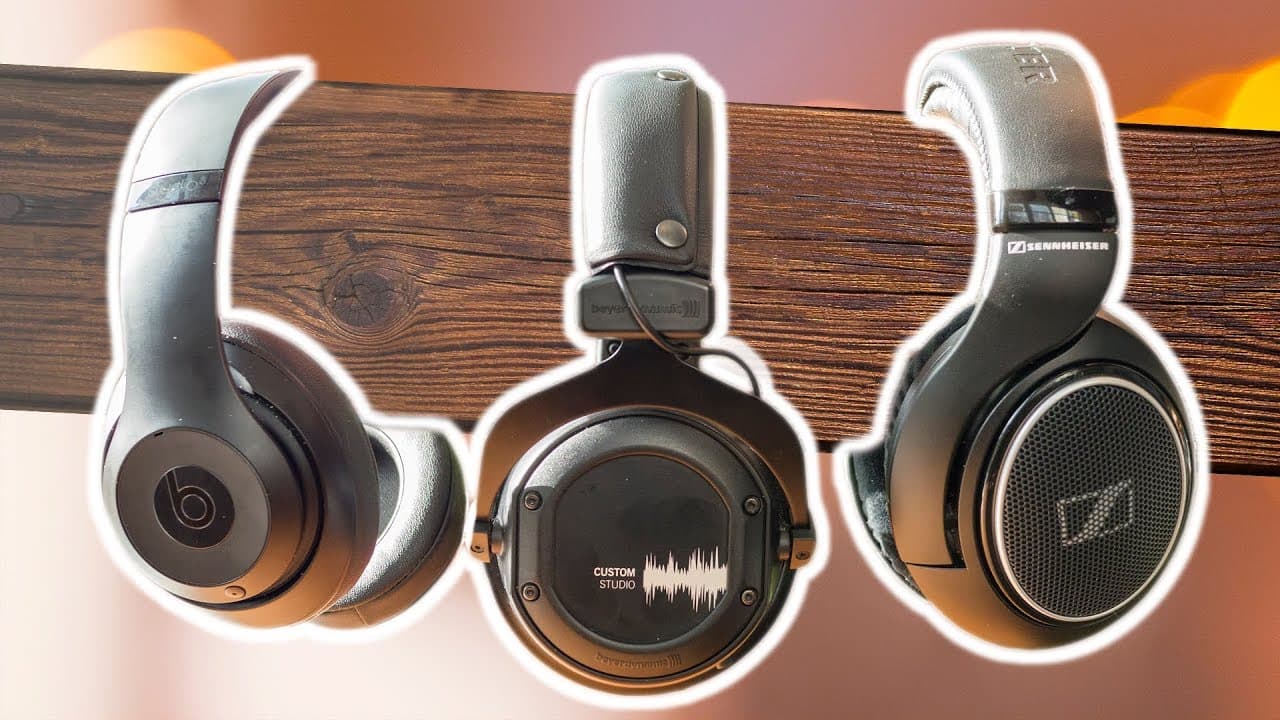
Ideal for audiophiles craving a concert‑hall feel, this class pairs large drivers (40 mm +), vented ear cups, and a breathable acoustic chamber. The open design delivers an airy soundstage where vocals sit front‑center and instruments spread laterally. They shine in quiet rooms and benefit from a quality DAC/amp combo. Expect 300‑350 g weight, memory‑foam pads, and a detachable cable. Trade‑offs: limited isolation and a larger desk footprint.
Shop this type: Check price on Amazon →
A portable, detail‑rich option – Hybrid in‑ear monitors with vented shells
These earphones blend a loose‑fit, vented housing with multiple drivers (typically one dynamic plus two balanced armatures). Venting reduces the “in‑ear tunnel” effect, offering a subtle sense of space while retaining isolation. They reveal instrument separation on complex mixes, making them a favorite for on‑the‑go producers and commuters. Look for interchangeable silicone tips, a stainless‑steel cable with an inline mic, and at least IPX4 sweat resistance. Trade‑off: slightly reduced bass impact compared with fully sealed earphones.
Shop this type: Check price on Amazon →
A flexible compromise – Semi‑open headphones for work‑from‑home studios
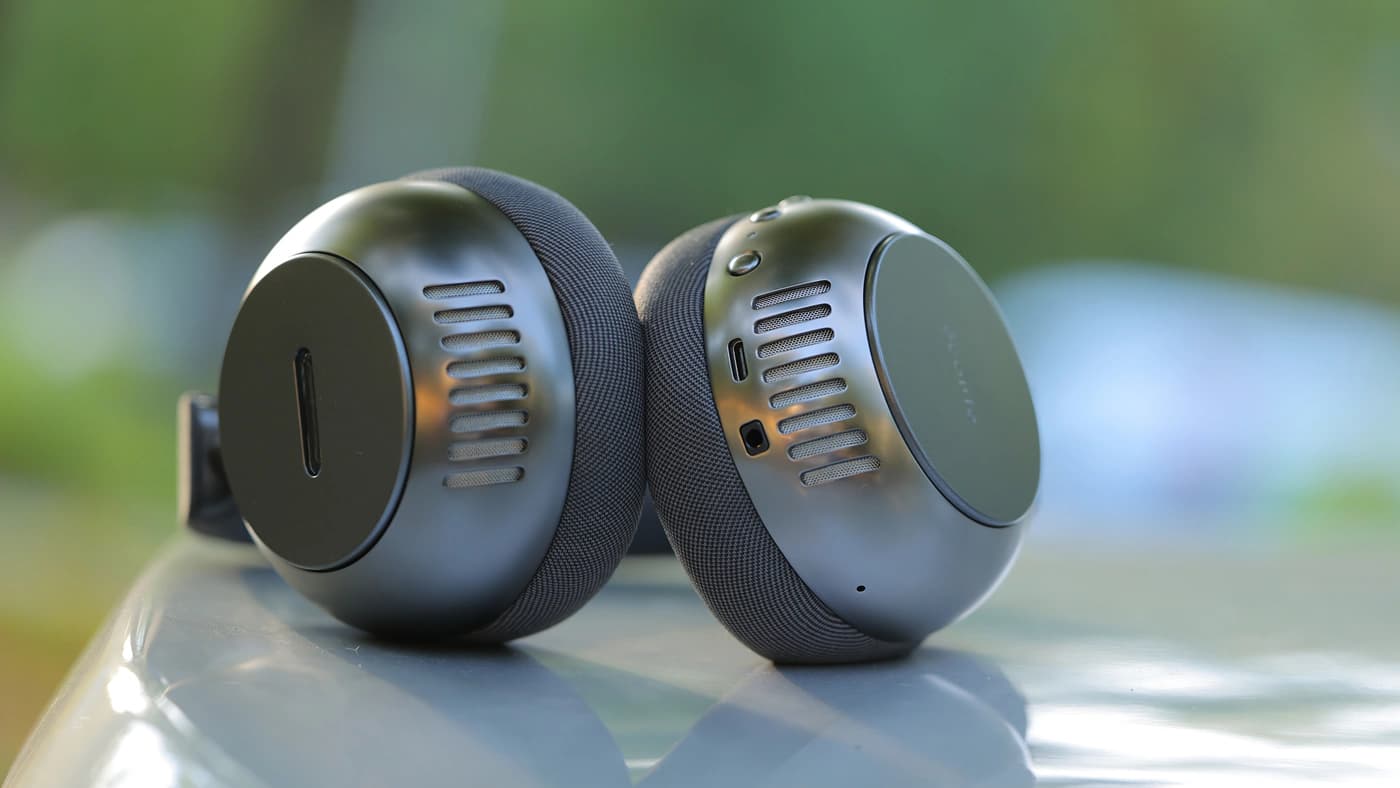
Semi‑open designs feature partially sealed ear cups with acoustic vents, allowing a hint of room sound while offering passive isolation. Drivers usually sit below 30 Ω, so they can be powered directly from a laptop or USB DAC without an external amp. The soundstage is wider than a true closed‑back but less expansive than a full open‑back—perfect for shared apartments or home offices. Choose a lightweight aluminum frame, collapsible hinges, and replaceable earpads for long Zoom calls or editing sessions.
Shop this type: Check price on Amazon →
A high‑resolution studio reference – Planar‑magnetic open‑back headphones
For the most demanding tasks—critical mixing, mastering, or hearing every nuance of a live recording—planar‑magnetic open‑backs deliver extraordinary detail. Their ultra‑thin, uniformly driven diaphragm yields low distortion across the spectrum, and the lack of a traditional voice coil provides fast, controlled transients. Expect bass extension down to 5 Hz and a silk‑smooth treble that never harshens. These models are high‑impedance (30 Ω +), power‑hungry, and require a quality headphone amp. They belong on a dedicated listening bench; portability is not a priority.
Shop this type: Check price on Amazon →
How to choose
- Map your environment. Quiet rooms favor open‑back headphones; noisy commutes favor earphones or semi‑open models.
- Assess your power chain. High‑impedance open‑backs need an amp; earphones usually plug straight into phones or portable DACs.
- Prioritize fit and comfort. Over‑ear cups spread weight, while earphones depend on tip size and shape.
- Plan for upgrades. Detachable cables, replaceable ear pads, and modular tip systems prolong product life and reduce waste.
Answer these three questions—environment, amplification, and comfort—and you’ll land on the format that delivers immersive sound without compromise.
FAQ
What makes a soundstage “wide” in headphones?
A wide stage occurs when drivers project sound into the room, allowing acoustic reflections to create spatial cues. Open‑backs naturally provide this; earphones simulate width with multiple drivers and digital processing, which is usually tighter.
Can I use open‑back headphones in a noisy apartment?
Technically you can, but the open design lets external noise in and your music out, reducing immersion and privacy. In noisy spaces, consider semi‑open, closed‑back, or well‑sealed earphones.
Do earphones ever sound “natural” like open‑back headphones?
High‑end vented or hybrid earphones can approach a natural feel by allowing airflow and using multiple driver types. However, the seal of an earbud creates an “inside‑the‑head” perception, distinct from the room‑filling character of open‑backs.
Are planar‑magnetic headphones worth the extra amp?
If you need the utmost detail for professional mixing, mastering, or high‑resolution listening, the combination of planar‑magnetic drivers and a clean amp is worthwhile. Casual listeners may find the added cost and setup unnecessary.
How important are replaceable ear pads and cables?
Very important for longevity. Over‑ear headphones with replaceable pads stay comfortable for years, and detachable cables protect against wear and allow upgrades (e.g., balanced‑armature cables). Earphones with detachable cables are also easier to repair.
Will vented earphones let in too much ambient noise?
Vented designs balance isolation and openness. They allow a small amount of airflow, reducing ear fatigue while still blocking most background sound. For maximum isolation—such as on an airplane—choose fully sealed earphones with high‑fit tips.
Can I listen to high‑resolution FLAC files on earphones without an amp?
Yes. Most modern earphones have low impedance and can be driven directly from smartphones, laptops, or portable DACs that support high‑resolution audio. Just ensure the source device outputs the desired sample rate and bit depth.
Bottom line
Open‑back headphones and earphones both deliver immersive sound, but they do it in opposite ways. Open‑backs excel at creating a spacious, natural soundstage for stationary listening, at the cost of isolation and portability. Earphones offer intimate detail, excellent isolation, and unmatched portability, though they simulate width rather than generate it physically. By evaluating your listening space, willingness to add amplification, and comfort preferences, you can choose the format that turns every track into an experience worth savoring.