Balanced vs Single‑Ended Headphone Outputs: A Detailed Comparison
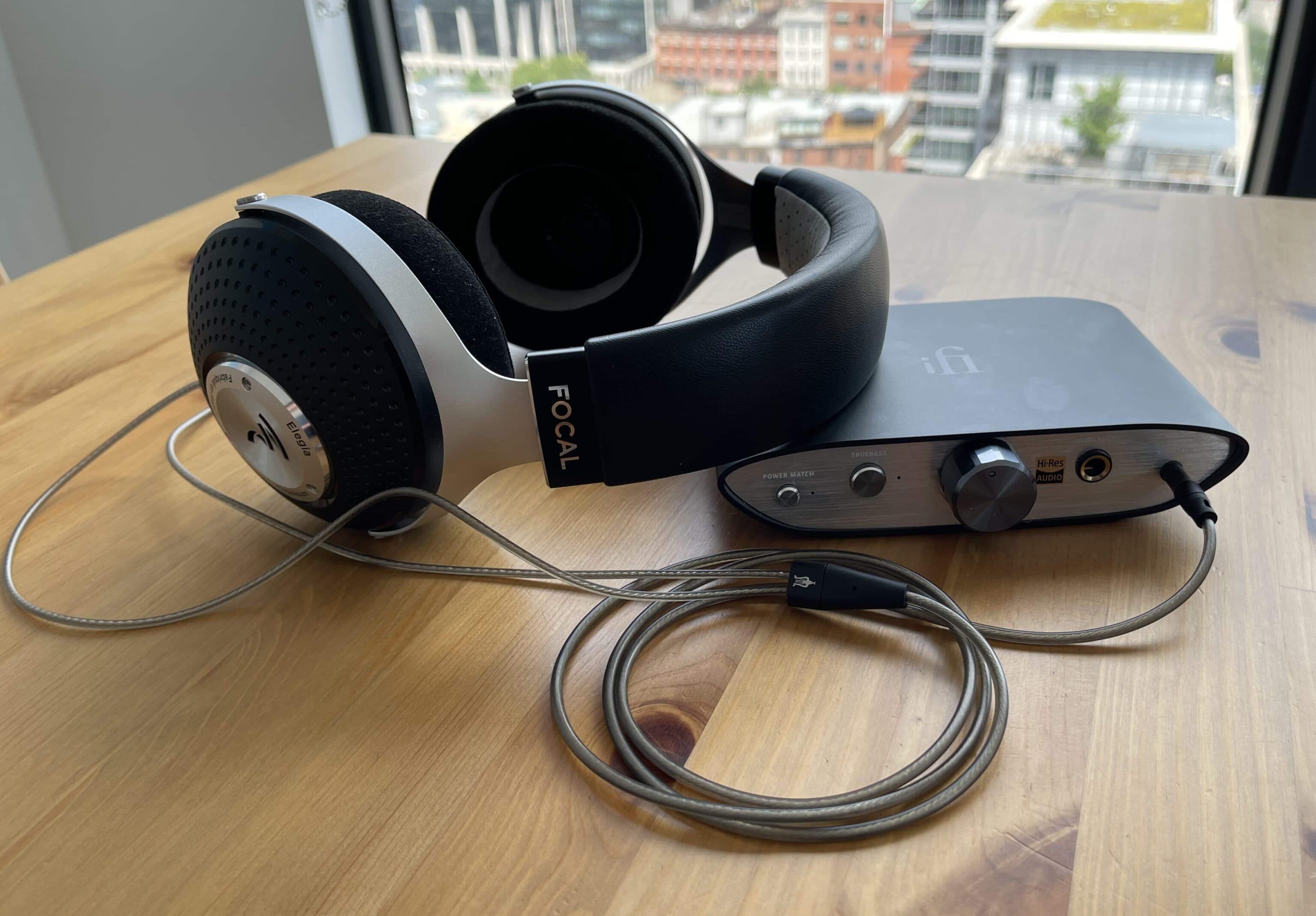
You’ve just upgraded to a pair of high‑end headphones and the DAC you bought offers both balanced and single‑ended outputs. The choice isn’t just about plug shape—different topologies affect noise, power, and cable management. This guide pinpoints the exact specs that matter, matches them to real‑world scenarios, and shows how to avoid spending on features you’ll never use.
Quick picks
- Portable, battery‑powered players – single‑ended outputs keep the device tiny and cheap.
- Desktop DAC/amp combos for audiophile headphones – balanced outputs add headroom and lower distortion.
- Studio‑grade interfaces and reference monitors – balanced is safest for long cable runs and noisy environments.
- Hybrid setups (single‑ended source, balanced amp) – choose a balanced‑compatible amp that accepts either input.
What to look for
1. Impedance and load handling
Balanced circuits normally present two 32 Ω (or similar) loads in parallel, halving the effective impedance seen by the source. This lets a lower output voltage drive the same ear‑cup load, reducing stress on the amp’s output stage. Verify the minimum and maximum headphone impedance the output can handle. A balanced output that struggles above 100 Ω will sound thin, while a robust single‑ended amp can stay flat‑rated across 16‑600 Ω if it provides enough voltage swing.
2. Channel balance and crosstalk
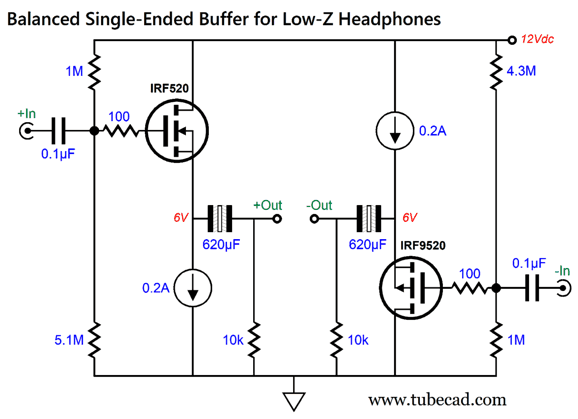
True balanced designs drive each channel with its own differential pair, eliminating a shared ground. This architecture can push crosstalk below –95 dB, preserving imaging and soundstage depth. Look for specifications that list crosstalk figures or mention a “dual‑mono” layout. Single‑ended outputs typically show –80 dB or worse because both channels share the same ground reference.
3. Output voltage and power handling
Balanced outputs can deliver a higher peak‑to‑peak voltage (Vₚ₋ₚ) while keeping RMS current constant. Higher voltage translates to more headroom for dynamic passages and tighter control of low‑impedance, power‑hungry headphones such as planar‑magnetic models. Check the maximum Vₚ₋ₚ and power (mW) ratings. If a spec sheet omits these numbers, consider products that advertise “high‑power” or “capable of driving 250 Ω headphones” as a reliable proxy.
4. Connector type and wiring
Balanced headphones use a variety of connectors: 4.4 mm pentaconn, XLR, 1/4‑inch TRS, or proprietary mini‑XLR. Each cable carries two signal conductors plus a ground (or separate grounds for true differential). Single‑ended gear almost always uses a 3.5 mm or 6.35 mm (¼‑inch) TRS plug. Confirm that the device’s connector matches the cables you already own, or budget $30‑$80 for a set of balanced cables.
5. Compatibility with source equipment
Balanced outputs shine when paired with a balanced source (e.g., a DAC offering a differential line‑out). Many modern DACs provide both balanced and single‑ended options, letting you switch without hardware changes. If you own only a single‑ended DAC, a balanced amp can still work via a single‑ended‑to‑balanced adapter—usually a simple passive transformer. Conversely, a balanced source feeding a single‑ended amp is straightforward; the amp sees the differential signal as a single‑ended input. Verify the product’s input options and required adapters before buying.
Our picks
A compact, single‑ended solution for on‑the‑go listening
Portability demands a small footprint, USB‑C charging, and a single 3.5 mm jack. Look for units that deliver at least 1 V RMS into 32 Ω headphones and support a detachable cable. These players run off a phone battery and keep the system under 150 g, offering enough punch for most closed‑back or moderately efficient open‑back headphones.
Shop this type: Check price on Amazon →
A desktop DAC/amp with true balanced outputs for audiophile headphones
For a permanent desktop rig, a balanced DAC/amp makes a measurable difference with high‑impedance planar‑magnetic or electrostatic headphones. Aim for 4.4 mm pentaconn or XLR outputs, a minimum of 2 V RMS, and crosstalk better than –90 dB. Separate gain switches per channel allow fine‑tuning based on sensitivity. The trade‑off is a larger footprint and the need for balanced cables, but the reward is cleaner soundstage and tighter imaging.
Shop this type: Check price on Amazon →
A studio‑grade interface with balanced headphone outs for the mixing engineer
Studio environments benefit from long cable runs and high EMI. An audio interface that supplies balanced ¼‑inch TRS headphone outputs, paired with high‑current drivers, can power multiple headphones simultaneously without loss of power. Look for 96 kHz/24‑bit conversion and independent headphone level controls per output. Rack‑mountable or desk‑top units give you the flexibility to switch between monitoring headphones and studio monitors on the fly.
Shop this type: Check price on Amazon →
A hybrid amp that accepts both balanced and single‑ended inputs
If you already own a high‑end single‑ended DAC but want a future‑proof amp, choose a hybrid model with dual input sections. It accepts a single‑ended source via RCA or a balanced source via XLR/TRS, then delivers either a balanced or single‑ended headphone out. This flexibility lets you start with a single‑ended DAC and later add a balanced one without swapping the amp. Expect a modest premium over a single‑mode amp, but the versatility pays off as your system evolves.
Shop this type: Check price on Amazon →
How to choose
- Map your core components – List the DAC, amp, and headphones you already own. If your DAC is single‑ended and you travel often, a single‑ended amp is the most cost‑effective path. If you own (or plan to buy) a balanced DAC, match it with a balanced amp to harvest the differential signal’s advantage.
- Consider cable logistics – Balanced cables are thicker and cost more. Factor the extra $30‑$80 per set into your budget and plan for cable routing on a desk or in a rack.
- Match headphone impedance – Low‑impedance, high‑efficiency models (e.g., many closed‑back headphones) perform well on single‑ended power. High‑impedance planar‑magnetic or electrostatic sets usually need the higher voltage a balanced output supplies.
- Assess power budget – For portable gear, check battery life ratings. Balanced designs can be slightly more efficient, but the difference is modest; prioritize amp headroom over marginal battery savings.
- Future‑proof – If you anticipate upgrading the DAC or adding a second pair of headphones, a hybrid amp or a DAC with both output types saves you a later overhaul.
By weighing source type, cable investment, and headphone demands, you can select the configuration that delivers the best music without overspending.
FAQ
What is the main technical difference between balanced and single‑ended outputs? Balanced outputs use two conductors per channel (positive and negative) and a separate ground, creating a differential signal that cancels noise. Single‑ended outputs use one conductor per channel referenced to a common ground, making them more vulnerable to external interference.
Can I use a balanced headphone with a single‑ended amp? Yes. Most balanced headphones have detachable cables; swapping to a standard 3.5 mm or 6.35 mm plug works, though you lose differential driving benefits.
Do balanced outputs always sound better? Not necessarily. Audible advantage depends on headphone impedance, source quality, and cable length. In short runs with low‑noise gear, a high‑quality single‑ended amp can match a balanced one.
Are balanced cables more fragile than single‑ended cables? They have more conductors and larger connectors, making them bulkier but not inherently fragile. Proper strain relief and careful routing keep them reliable.
How much more do balanced DAC/amps typically cost? A balanced desktop DAC/amp usually starts around $300–$500, while comparable single‑ended units can be found for $150–$300. Remember to include the cost of balanced cables.
Will a balanced output reduce battery drain on portable gear? Balanced designs can be slightly more efficient because each driver sees half the load, but overall power consumption depends on the amp’s internal topology. Expect only modest differences.
Is a balanced output necessary for high‑impedance headphones? High‑impedance headphones often need more voltage than a typical single‑ended output can provide. Balanced outputs deliver that voltage more comfortably, making them a good match for 250 Ω or higher loads.
What connector should I choose for my headphones? If you already own a set of balanced headphones with a 4.4 mm pentaconn plug, stay with that for maximum compatibility. If you’re building a new system, XLR offers the most robust locking mechanism, while TRS is a practical compromise for desktop use.
Can I convert a single‑ended signal to balanced without an active device? Passive transformers or breakout boxes can convert single‑ended to balanced, but they may introduce a small insertion loss. For critical listening, an active line‑level converter provides cleaner conversion.
Bottom line
Balanced headphone outputs excel in noise rejection, crosstalk reduction, and delivering higher voltage to demanding audiophile headphones—making them ideal for desktop, studio, or hybrid high‑end setups. Single‑ended outputs win on portability, simplicity, and cost, and they satisfy most everyday listening scenarios. Evaluate your source equipment, headphone impedance, and cable length to pick the output style that maximizes musical enjoyment without unnecessary expense. Happy listening!