Your Ultimate Guide to Buying a Pro‑Grade Gaming Headset
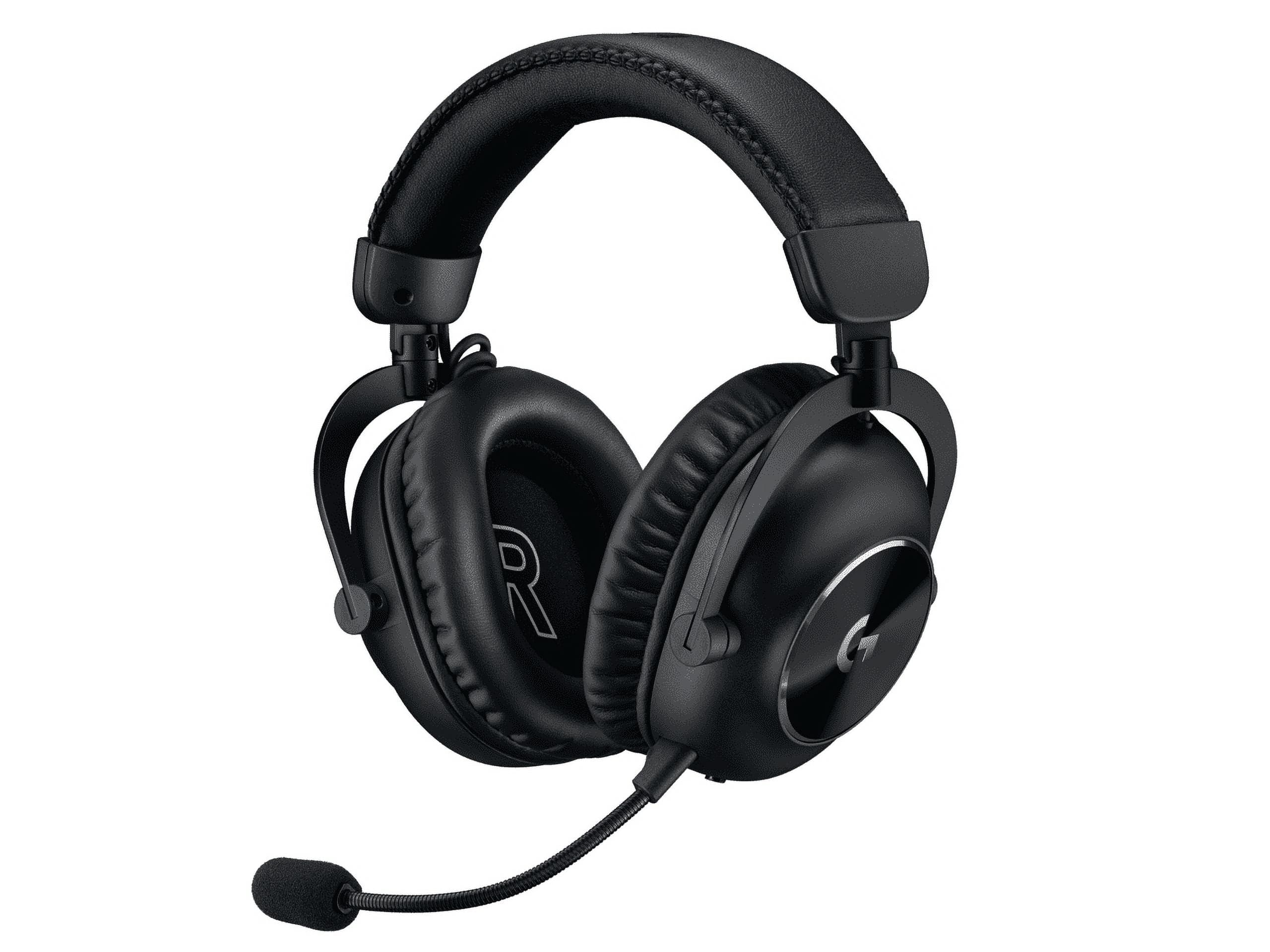
If you’re missing enemy footsteps or your mic garbles commands during intense matches, the problem is not your skill—it’s your headset. A pro‑grade gaming headset delivers pinpoint positional audio, a clear, noise‑cancelling mic, and comfort for marathon sessions, turning audio shortcomings into a competitive advantage.
In this guide we break down headset styles, the specs that truly matter, and the best picks for every play style. By the end you’ll know exactly what to look for, which categories fit your setup, and how to buy with confidence.
Quick picks
- Lightweight wireless headsets for on‑the‑go competitive play
- Heavy‑duty wired headsets with premium surround sound for immersive single‑player experiences
- Hybrid “dual‑mode” headsets that switch between wired and wireless for flexible setups
- Budget‑friendly pro‑grade options that still offer accurate positioning and a clear mic
- Specialty “studio‑style” headsets focused on mic quality for streamers and team‑chat leaders
What to look for
1. Audio driver size and technology
Drivers are the speakers inside the ear cups. Larger drivers (40 mm–50 mm) move more air, producing richer bass and clearer mids, which helps you feel explosions and footsteps. Look for high‑efficiency drivers with low distortion across a wide frequency range (20 Hz – 20 kHz). Some premium units use planar magnetic or balanced‑armature drivers for ultra‑precise sound staging—ideal for maps where pinpoint location matters.
2. Surround‑sound format & positional accuracy
True 7.1 surround or Dolby Atmos for Headphones creates a virtual sound field that lets you hear enemies from behind or above. Confirm the headset supports software‑ or hardware‑based 7.1 and that its app offers customizable profiles (e.g., “FPS,” “RPG,” “Music”). Fine‑tuning individual speaker levels can dramatically improve situational awareness.
3. Microphone type and noise‑cancellation
A clear mic is essential for team communication. Cardioid or bidirectional condenser mics capture your voice while rejecting ambient noise. Look for active noise‑cancellation (ANC) on the mic or built‑in DSP that reduces background chatter. Detachable boom mics are handy if you later want a stand‑mic for streaming.
4. Connectivity and latency
Wired headsets using a USB‑C or 3.5 mm jack deliver the lowest latency (often sub‑1 ms). Wireless options must use a low‑latency 2.4 GHz dongle or Bluetooth 5.0+ with aptX Low Latency to stay competitive. Anything under 8 ms is generally acceptable for fast‑paced titles. Dual‑mode connectivity (USB + 3.5 mm) simplifies console‑to‑PC swaps.
5. Impedance and power requirements
Impedance tells you how much power the headset needs. Low‑impedance models (≤ 32 Ω) work well with consoles and mobile devices, while higher‑impedance headsets (≥ 60 Ω) pair better with a dedicated amp or high‑output USB sound card, delivering cleaner sound and better dynamic range.
6. Comfort, build quality, and durability
Pro‑grade sessions can run 4‑6 hours or more. Look for memory‑foam ear cushions wrapped in breathable leatherette or fabric, and an adjustable headband with weight‑distribution that avoids pressure on the skull. A sturdy metal frame or high‑quality polymer chassis survives daily transport and accidental drops.
7. Software ecosystem and customizability
Most premium headsets ship with a companion app that lets you tweak EQ, toggle surround modes, adjust mic gain, and create presets. A well‑designed app (no more than a few clicks to change settings) can be a game‑changer. Ensure the software supports the platforms you play on (Windows, macOS, Xbox, PlayStation, Switch).
Our picks
1. Light‑weight wireless headsets – “The Mobile Pro”
If you game on a console in the living room, hop to a laptop in a coffee shop, or simply dislike cords, a lightweight wireless headset is your best bet. Look for a headset under 260 g, Bluetooth 5.0 or a dedicated 2.4 GHz dongle, and active ANC on the ear cups to block out background chatter. These models usually feature 50 mm drivers that balance bass punch and clarity while keeping battery life above 15 hours.
Who it suits: Competitive shooters, streamers on the move, or anyone who values a clean desktop. Trade‑offs: Wireless latency can be a few milliseconds higher than wired, and the battery will need occasional recharging.
Shop this type: Check price on Amazon →
2. Heavy‑duty wired headsets with premium surround – “The Immersion Beast”
For players anchored to a high‑refresh‑rate PC or console, a wired 7.1 surround headset offers the most reliable audio fidelity. Aim for 40 mm–50 mm drivers paired with a high‑resolution DAC built into the USB cable. A metal‑reinforced headband and thick memory‑foam ear pads keep comfort high during marathon sessions. Many units include software‑controlled virtual surround that can be toggled off for pure stereo when you want the cleanest signal.
Who it suits: FPS veterans, open‑world explorers, and anyone who uses a gaming PC with a dedicated sound card. Trade‑offs: The cable limits mobility, and larger drivers add weight, though proper padding mitigates fatigue.
Shop this type: Check price on Amazon →
3. Hybrid dual‑mode headsets – “The Flexible Champ”
Hybrid headsets give you the best of both worlds: a detachable 3.5 mm cable for wired play and a built‑in 2.4 GHz wireless module for freedom. Look for quick‑swap connectors, low‑latency wireless (≤ 8 ms), and a discrete mic boom that can be clipped on or off. Many models also include software profiles for console vs. PC, automatically adjusting EQ and surround settings based on the input source.
Who it suits: Players who rotate between a console, a laptop for LAN parties, and a desktop workstation. Trade‑offs: Slightly higher price due to dual circuitry, and the mic may be bulkier when attached.
Shop this type: Check price on Amazon →
4. Budget‑friendly pro‑grade options – “The Value Performer”
You don’t have to break the bank to get accurate positional audio. Look for models that still offer 7.1 virtual surround, a cardioid boom mic with noise‑cancellation, and memory‑foam ear cushions, but keep the materials simple—plastic frames and synthetic leather earpads. Most budget units connect via a standard 3.5 mm jack, making them compatible with consoles, phones, and tablets.
Who it suits: Casual competitive players, students, or anyone testing the waters before upgrading. Trade‑offs: Build quality isn’t as rugged, and driver fidelity may lack the depth of high‑end models, but clarity and positioning remain solid.
Shop this type: Check price on Amazon →
5. Studio‑style headsets for streamers – “The Broadcast Pro”
When you’re the voice leading the squad or streaming to an audience, mic quality becomes paramount. A studio‑style gaming headset features a large condenser boom mic (20 mm–30 mm diaphragm) with a built‑in pop filter and advanced digital noise‑reduction. The ear cups usually employ open‑back or semi‑open designs for natural sound, and the headset may have a detachable USB sound card that lets you route game audio separately from mic input—ideal for OBS or Streamlabs.
Who it suits: Streamers, esports team captains, and content creators who want a single device for both gaming and broadcasting. Trade‑offs: Open‑back designs leak sound and let ambient noise in, so they’re best used in quieter environments.
Shop this type: Check price on Amazon →
How to choose
Start by matching the headset’s connectivity to your primary platform. A PC with a dedicated sound card benefits from a wired headset with a built‑in DAC. Console‑only players can prioritize a wireless model with a low‑latency dongle to avoid cable clutter.
Next, evaluate your priority between positional accuracy and mic clarity. Competitive shooters profit most from precise 7.1 surround and low‑impedance drivers that reproduce subtle cues. Streamers and team leaders may sacrifice a bit of surround immersion for a high‑grade condenser mic and the ability to separate game and chat audio streams.
Comfort is often under‑estimated. Test the headset’s weight and ear‑pad material—memory foam with breathable leatherette stays comfortable for 4+ hours. Look for user reviews that mention “long‑session comfort” rather than just sound quality.
Finally, consider budget and upgrade path. Many mid‑range models offer modular cables and detachable mics, allowing you to add a USB sound card or swap ear pads later. A modestly higher upfront spend on a modular system often pays off as your needs evolve from casual play to competitive or streaming environments.
By aligning connectivity, audio focus, comfort, and future‑proofing, you’ll land on a headset that feels natural, delivers the positional detail you need, and stays reliable session after session.
FAQ
What’s more important for competitive gaming: driver size or surround sound?
Surround sound (especially 7.1 virtual) provides the spatial cues that let you locate opponents quickly. While larger drivers improve overall richness, a good surround algorithm gives a competitive edge even with modest driver sizes.
Do wireless headsets really have noticeable latency?
Modern wireless gaming headsets using a dedicated 2.4 GHz dongle or Bluetooth with aptX Low Latency can achieve latency under 8 ms, which is generally imperceptible for most players. Wired headsets still hold the absolute lowest latency, but the difference is often negligible with high‑quality wireless units.
Should I choose a low‑impedance or high‑impedance headset?
Low‑impedance (≤ 32 Ω) headsets are plug‑and‑play with consoles, phones, and laptops. High‑impedance models need more power and shine when paired with an amp or a high‑output USB DAC, delivering clearer highs and deeper lows. Choose based on the device you plan to use most.
How much does mic quality affect team communication?
A cardioid or bidirectional condenser mic with active noise‑cancellation can cut ambient background by up to 20 dB, making your voice crystal clear. Clear communication reduces misunderstandings and can improve round outcomes, especially in coordination‑heavy titles.
Are open‑back headsets suitable for gaming?
Open‑back designs give a more natural, spacious soundstage, which can be great for immersive single‑player games. However, they leak sound and pick up environmental noise, making them less ideal for noisy rooms or competitive play where focused isolation is needed.
Can I use a gaming headset with a smartphone?
Yes, as long as the headset has a 3.5 mm analog plug or Bluetooth capability, you can connect it to most smartphones. Some mobile devices may not support built‑in virtual surround; you’ll get stereo only.
How often should I replace my gaming headset?
Durability varies, but high‑quality headsets with replaceable ear pads and detachable cables can last 3–5 years with proper care. If you notice driver distortion, mic issues, or significant wear on cushions, it’s time to upgrade.
Bottom line
A pro‑grade gaming headset is more than a flashy accessory; it’s a precision instrument that can sharpen your tactical edge, elevate your streaming presence, and keep you comfortable through marathon sessions. By focusing on driver quality, surround‑sound implementation, mic performance, connectivity, and build comfort, you can select a headset that matches your platform, play style, and budget. Whether you gravitate toward lightweight wireless freedom, heavyweight wired immersion, hybrid flexibility, or a budget‑friendly powerhouse, the right headset will let you hear every footstep and be heard loud and clear—giving you the audio advantage every serious gamer deserves.