How to Layer Clothing for a 30‑Degree Marathon
Running a marathon at 30 °F (‑1 °C) forces you to juggle warmth and efficiency. Too much bulk steals power; too little leaves you shivering and prone to hypothermia. The problem most runners face is finding a system that stays dry, blocks wind, and lets you shed heat as you warm up. This guide breaks down the science of each layer, the features that matter, and a few proven outfit combos you can test before race day.
Quick picks
- Lightweight moisture‑wicking base layer – pulls sweat from skin, adds a thin insulating skin.
- Mid‑weight thermal tights or leggings – core warmth with full‑range leg motion.
- Wind‑proof, breathable shell jacket – blocks chill‑producing gusts without trapping heat.
- Adjustable accessories kit – beanie, gloves, and neck gaiter that snap on/off as the temperature shifts.
What to look for
1. Base‑layer fabric and fit
The base layer must stay dry while providing a whisper of insulation. Synthetic blends such as polyester‑nylon with a Dri‑Fit or Coolmax finish spread sweat across a larger surface, accelerating evaporation. A brushed interior adds a soft, insulating feel without bulk. For a 30 °F race, aim for 0.75–1.0 oz/yd² (150–200 gsm). The shirt should hug the torso lightly—tight enough to keep the fabric in contact with the skin, but loose enough to let shoulders rotate freely.
2. Thermal insulation vs. breathability in mid‑layers
Mid‑layers bridge the gap between base and shell. Look for dual‑layer construction: a smooth outer face that sheds wind and a softer inner face that traps a thin layer of air. Polartec Power Stretch, merino‑blend fleece, or a brushed‑inside technical shirt meet this requirement. Faster marathoners (sub‑2:30) need a mid‑layer with ≥12 g/m²/24 h water‑vapor transmission to avoid sweat buildup. Slower runners or windy courses can tolerate a heavier 2–3 oz/yd² fabric for extra warmth.
3. Wind‑proof and water‑resistant shell features
Wind is the primary heat‑drain at 30 °F. Choose a shell with a wind‑blocking membrane—light‑weight polyester or a Gore‑Tex®‑type laminate works well. The garment should also be water‑resistant (15–30 mm column rating); even a light drizzle feels like extra wind chill. Critical details include sealed or taped seams, a full‑zip front with storm flap, and a drawstring hem to seal gaps. Under‑arm ventilation zippers or mesh‑lined back panels let you vent without removing the jacket.
4. Zipper, pocket, and reflective details
Practicality matters on race day. Look for Y‑shaped front pockets or zippered side pockets to stash gels, keys, or a phone. Reflective piping or a high‑visibility logo adds safety during pre‑dawn starts. Zipper pulls must be large enough for gloved hands; a recessed pull can become a frustrating bottleneck when you’re trying to adjust on the fly.
5. Easy‑on / easy‑off accessories
Accessories are the fine‑tuning knobs of any layered system. A soft‑knit beanie that slides on quickly regulates head temperature—up to 30 % of body heat escapes there. Gloves with conductive fingertips let you tap your watch without peeling them off. A thin merino neck gaiter can serve as a face mask early, then become a headband later. All pieces should be low‑profile to avoid aerodynamic drag or chafing.
Our picks
Light‑weight moisture‑wicking base layer top
A seamless synthetic crew‑neck that claims Dri‑Fit or Coolmax performance is the most reliable starter. It dries fast, adds a modest layer of warmth, and fits under any mid‑layer without bulk. Ideal for runners who sweat heavily even when it’s cold. Shop this type: Check price on Amazon →
Mid‑weight thermal tights or leggings
Brushed‑inside tights with a four‑way stretch panel around hips and calves give warmth without sacrificing stride length. The fabric should sit at ≈2 oz/yd² for a 30 °F marathon. Look for a hidden leg zip so you can shed a layer if the race warms up. Shop this type: Check price on Amazon →
Breathable wind‑proof shell jacket
A lightweight shell (≈2.5 oz/yd²) that packs into a belt pouch offers wind protection and rain defense without weighing you down. Prioritize a full front zip with storm flap, under‑arm vents, and a silicone‑grip cuff for gloved operation. Shop this type: Check price on Amazon →
How to choose
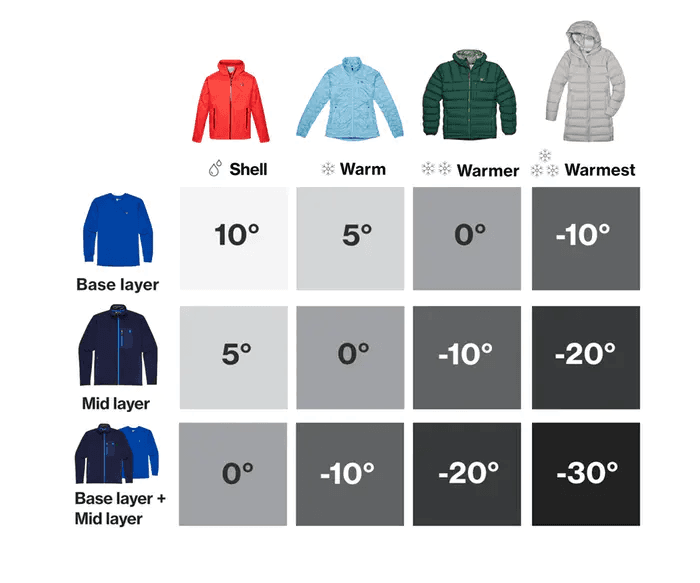
- Rate your heat generation – On a cold‑sweater (slow, low metabolic heat) to hot‑engine (fast, high sweat) scale, decide where you sit. Cold‑sweaters need a thicker base and a mid‑weight tights; hot‑engines benefit from a lighter base and rely on the shell for wind protection.
- Add weather variables – Consult the forecast for wind speed, precipitation chance, and humidity. A windy, damp morning warrants the full shell; a calm, dry day may let you skip the outer layer.
- Test the system – Run two long training sessions: one early morning, one mid‑day. Record where you feel too hot, too cold, or experience chafing. Adjust seam placement, tighten or loosen drawstrings, and experiment with glove style.
- Build a decision matrix – Create a simple table with columns for pace, wind, rain, and preferred layers. Fill in the cells with the exact combination you’ll wear under each scenario. Having a pre‑planned matrix saves mental bandwidth on race morning.
- Practice transitions – Spend a few minutes in training practicing how to unzip the shell, pull off the beanie, or switch gloves while running. Muscle memory reduces panic if conditions change mid‑race.
FAQ
What is the ideal base‑layer thickness for a 30 °F marathon? A base layer of 0.75–1.0 oz/yd² (150–200 gsm) offers light insulation while still allowing sweat to evaporate quickly.
Should I wear a hat if the temperature is 30 °F? Yes. Up to 30 % of body heat can be lost through the head, so a thin, breathable beanie helps retain warmth without adding bulk.
Can I wear a regular fleece jacket as my outer layer? A heavy fleece traps sweat and becomes cumbersome. Opt for a lightweight, wind‑proof shell that still lets moisture escape.
How do I prevent my gloves from slipping off during the race? Choose gloves with a silicone grip cuff or elastic wrist band. Conductive fingertips let you check your watch without removal.
Is it okay to start the race without a shell and add it later? If strong wind is forecast, start with the shell on and unzip as you warm up. Removing a shell mid‑race is harder than opening it.
How many layers should I wear overall? Three layers work for most runners: a moisture‑wicking base, a thermal mid‑layer (tights or thin fleece), and a wind‑proof shell. Add a hat and gloves based on personal comfort.
What should I do if I start to feel too hot halfway through? Open the shell’s ventilation zippers, loosen drawstrings, or peel off the outer layer entirely. If you’re still warm, consider loosening the mid‑layer leg zip.
Bottom line
For a 30 °F marathon, keep the system simple: a high‑performance base to stay dry, a mid‑weight thermal piece for core warmth, a lightweight wind‑proof shell for protection, and adaptable accessories. Choose fabrics that wick, breathe, and block wind, then validate the combo on long runs before race day. With the right layering, you’ll stay warm when you need it, cool when the sun rises, and focused on the finish line—not your clothes.