Best Breathable Running Shirts for Hot‑Weather Marathons
Running a marathon or ultra in high heat tests both fitness and gear. A shirt that clings, traps sweat, or blocks airflow can turn a steady pace into a slog and raise the risk of heat‑related problems. You need a top that moves moisture away, lets air flow, and stays comfortable from mile 1 to the finish.
In this guide we break down the essential features, match them to common shirt styles, and give clear buying paths so you can select the right shirt for your next hot‑weather race.
Quick picks
- Super‑lightweight mesh short‑sleeve – maximum airflow with a thin layer of sun protection.
- Moisture‑wicking short‑sleeve crew – balanced sweat management, a bit more coverage, great for cool early‑race mornings that heat up later.
- UV‑protective long‑sleeve – arm coverage without sacrificing breathability for sun‑intense routes.
- Hybrid vented compression tee – snug, supportive fit with strategic ventilation zones.
What to look for
Fabric technology and moisture management
The cornerstone of any breathable marathon shirt is how the material handles sweat. Look for polyester‑blend, polypropylene, or technical nylon fabrics marketed as “wicking.” These fibers move sweat to the outer surface where it evaporates faster. Avoid cotton or heavy blends; they retain water and become heavy.
Weight and thickness (grammage)
Grammage is the fabric weight per square meter. In hot‑weather gear, lower grammage (120–150 g/m²) means less material to trap heat. A lightweight shirt feels like a second skin while still providing durability for a 26‑mile run. For ultras with frequent aid‑station changes, a slightly higher grammage (up to 180 g/m²) adds durability without a noticeable temperature penalty.
Ventilation design and mesh panels
Strategic mesh inserts are the secret sauce for airflow. Look for panels under the arms, on the back, or along the sides where body heat builds. Some designs use a “vented strap” that opens when you raise your arms, delivering a rush of air each stride. Check product images for “laser‑cut ventilation” or “mesh‑back panels.”
UV protection and sun coverage
Even when it’s hot, sun exposure can sap energy and irritate skin. Many performance tops carry a UPF rating. A UPF 30+ rating blocks at least 97 % of UV rays and is sufficient for most marathon courses. Long‑sleeve options often combine a tight weave with moisture‑wicking to keep arms cool while shielding skin.
Fit, seams, and range of motion
A good marathon shirt should hug enough to stay in place, yet be loose enough for a full stride. Flat‑lock or bonded seams reduce chafing on the shoulders and sides. Raglan sleeves, articulated armholes, or a “relaxed fit” cut give natural motion without excess fabric flapping in the wind.
Our picks
Super‑lightweight mesh short‑sleeve
Who it’s for: Runners who prize ventilation above all else—early‑morning marathons in 85°F temps or hot‑weather training runs where the shirt feels almost invisible.
What to expect: Polyester‑spandex blend with very low grammage (≈130 g/m²). Front and back feature wide mesh panels; side seams are flat‑lock to prevent rubbing. The thin material offers minimal insulation, so you’ll feel the breeze but lose a bit of abrasion resistance. If you run through abrasive city streets, you may prefer a slightly heavier option.
Shop this type: Check price on Amazon →
Moisture‑wicking short‑sleeve crew
Who it’s for: Runners who want a crew‑neck for modest coverage while staying cool—marathons that start cool (mid‑50s) and climb into the 80s, or anyone who prefers a higher neckline.
What to expect: Polyester‑nylon blend with mid‑range grammage (140‑160 g/m²). Subtle micro‑mesh overlay on the sides and a brushed interior speed sweat evaporation. Many models add an antimicrobial finish to curb odor on long races. The trade‑off is a slightly heavier feel, but you gain a polished look and higher durability.
Shop this type: Check price on Amazon →
UV‑protective long‑sleeve
Who it’s for: Sun‑intensive courses—desert marathons, coastal routes with little shade, or runners who prefer arm coverage for skin protection.
What to expect: Tightly woven polyester‑spandex fabric with low grammage (≈150 g/m²). The entire surface carries a UPF 50+ rating, so you stay protected without slathering sunscreen on your arms. Ventilation comes from small laser‑cut perforations on the back and underarm zones. The extra coverage adds modest warmth, but the UV shield usually outweighs that for hot‑sun runners.
Shop this type: Check price on Amazon →
Hybrid vented compression tee
Who it’s for: Runners who love compression support but dread the “stuffy” feeling of a full‑length compression shirt. Ideal for race‑day pacing groups that need muscle support and targeted airflow.
What to expect: High‑stretch polyester‑spandex blend offering 10‑15 % compression. Ventilation panels built into the chest and lower back expand as you move. The shirt balances moisture‑wicking with a snug fit that reduces muscle vibration. Downside: higher price point and a learning curve—some runners need a few training runs to adapt to the compression feel.
Shop this type: Check price on Amazon →
How to choose
- Map your race environment. Open sun and little shade? Choose a UV‑protective long‑sleeve. Forecast calls for high heat with a breeze? A pure mesh short‑sleeve will feel coolest.
- Match personal comfort. Do you prefer a crew‑neck for neck warmth or a racer’s collar? Consider your usual training distance—ultras stress seams, so flat‑lock stitching and reinforced hems become crucial.
- Balance durability and weight. Slightly heavier grammage survives gravel abrasion without sacrificing breathability.
- Test in training. Run a long training run (10‑15 miles) to verify fit, ventilation, and lack of chafing before race day.
FAQ
How much does a breathable marathon shirt usually cost?
Prices range from $25 to $60. Premium models with advanced mesh and antimicrobial finishes can exceed $70, but they aren’t necessary for most runners.
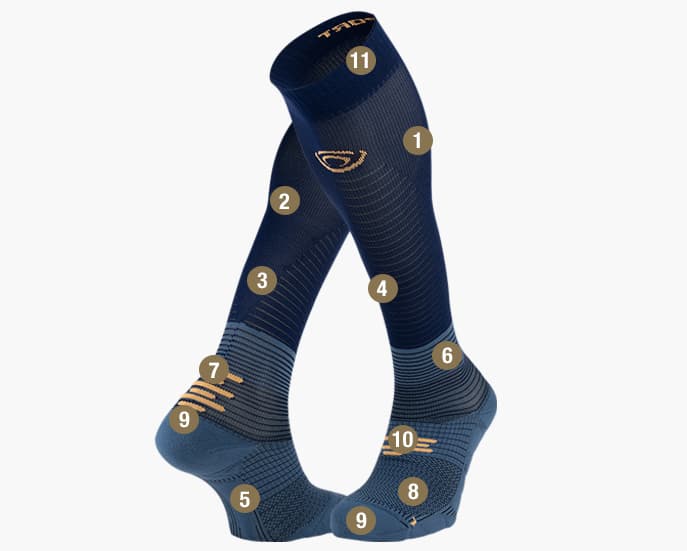
Can I wear a breathable shirt with a compression calf sleeve?
Yes. Most breathable tops are lightweight and won’t interfere with calf sleeves or other compression gear. Just avoid excess bulk at the ankle.
Do these shirts dry quickly enough for a marathon with aid stations?
Technical polyester blends typically dry within minutes after a light rinse or a quick shake. Low grammage means they won’t stay soggy even after heavy sweating.
Is it okay to wash a breathable running shirt with regular laundry detergent?
Use a mild detergent free of fabric softeners. Softener coats fibers and reduces wicking. A cold‑water cycle and air‑drying preserve performance.
Should I buy a shirt with a built‑in pocket for gels?
If you rely on hand‑carries, a discreet zip pocket can be handy, but many runners prefer a belt or vest for easier access. Choose based on your feeding strategy.
How do I know if a shirt’s UPF rating is accurate?
Look for an independently tested UPF label (e.g., UPF 30+, UPF 50+). Reputable brands have third‑party testing and display the rating on the product tag or description.
Will a breathable shirt help prevent heat‑related illnesses?
A breathable shirt reduces sweat buildup and enhances evaporative cooling, lowering the risk of overheating. Hydration and pacing adjustments remain essential.
Bottom line
Choosing the right breathable running shirt for hot‑weather marathons means matching fabric technology, weight, ventilation, UV protection, and fit to your race conditions and comfort preferences. Whether you opt for an ultra‑light mesh tee, a moisture‑wicking crew, a sun‑shielding long‑sleeve, or a vented compression hybrid, test the shirt in training to ensure it stays cool, dry, and friction‑free for the full distance. With the right top, you’ll stay focused on the finish line instead of the heat.
%3Amax_bytes(150000)%3Astrip_icc()%2Fshp-half-marathon-gear-sep-24-test-new-balance-womens-fuelcell-supercomp-elite-v4-jthompson-2057-8feab28f35ed42a7bbcfd364aae4bbd4.jpeg&w=3840&q=75)