Closed‑Back vs Open‑Back Headphones for Gaming: Which Design Wins?
You love the edge‑of‑your‑seat audio in competitive shooters, but your roommate’s music and your own chat mic keep clashing. The core problem is choosing a headset that gives you crystal‑clear in‑game cues without leaking sound into the room or heating up your ears. This guide pinpoints the acoustic trade‑offs, highlights the specs that truly matter, and lines up three proven headset types so you can stop scrolling through endless lists and buy with confidence.
Quick picks
- Closed‑back, fully sealed headset – Best for competitive multiplayer, noisy roommates, or LAN parties where isolation matters.
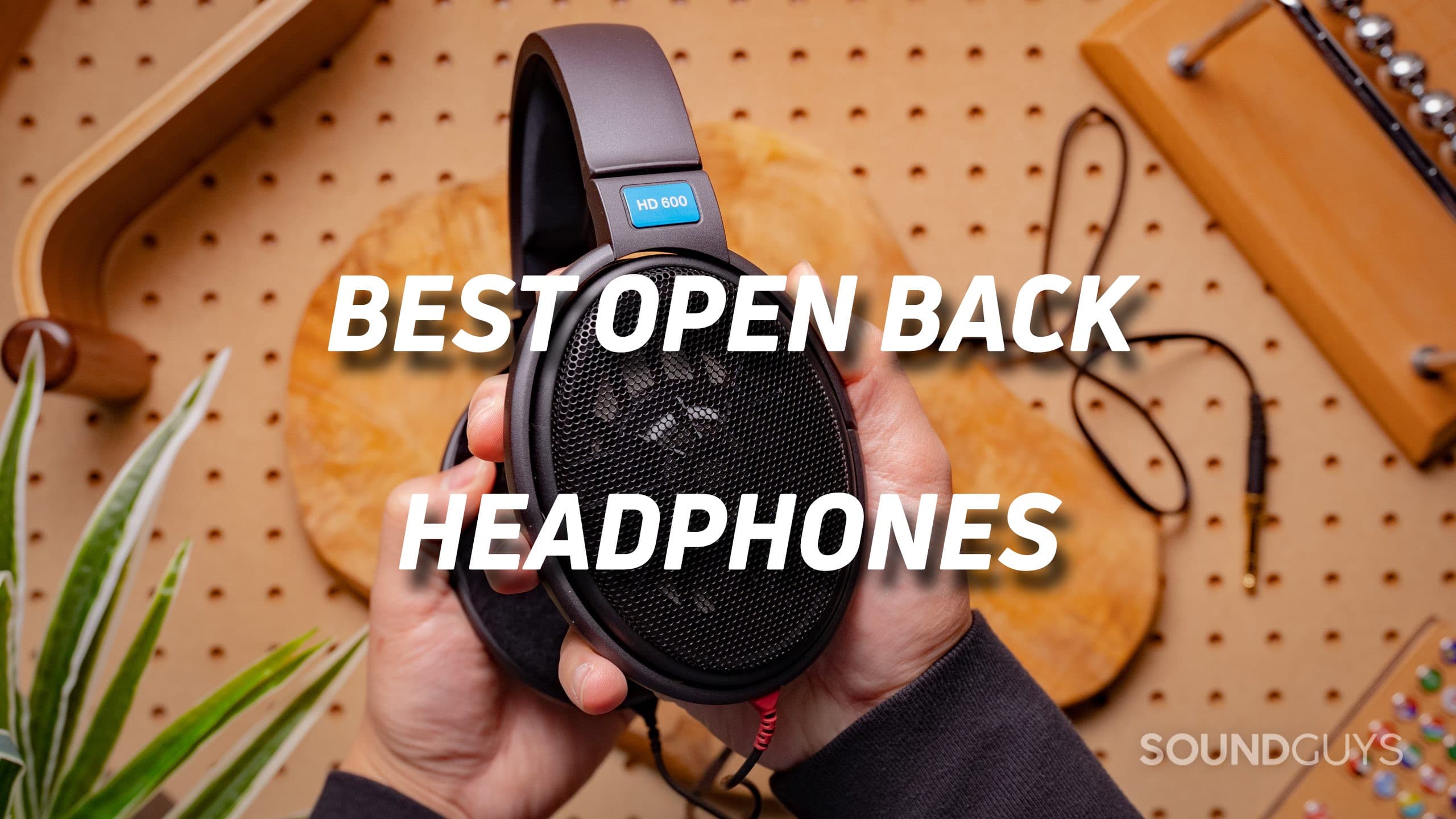
- Open‑back, spacious‑stage headphones – Ideal for single‑player adventures, indie soundtracks, and anyone who values an expansive soundstage over isolation.
- Hybrid (semi‑open) design – A compromise that offers moderate isolation with a slightly wider soundstage, great for mixed use (gaming + music/streaming).
- Portable closed‑back with detachable cable – Perfect for travel, dorm rooms, or on‑the‑go gaming sessions on consoles or PCs.
What to look for
1. Isolation vs. Soundstage
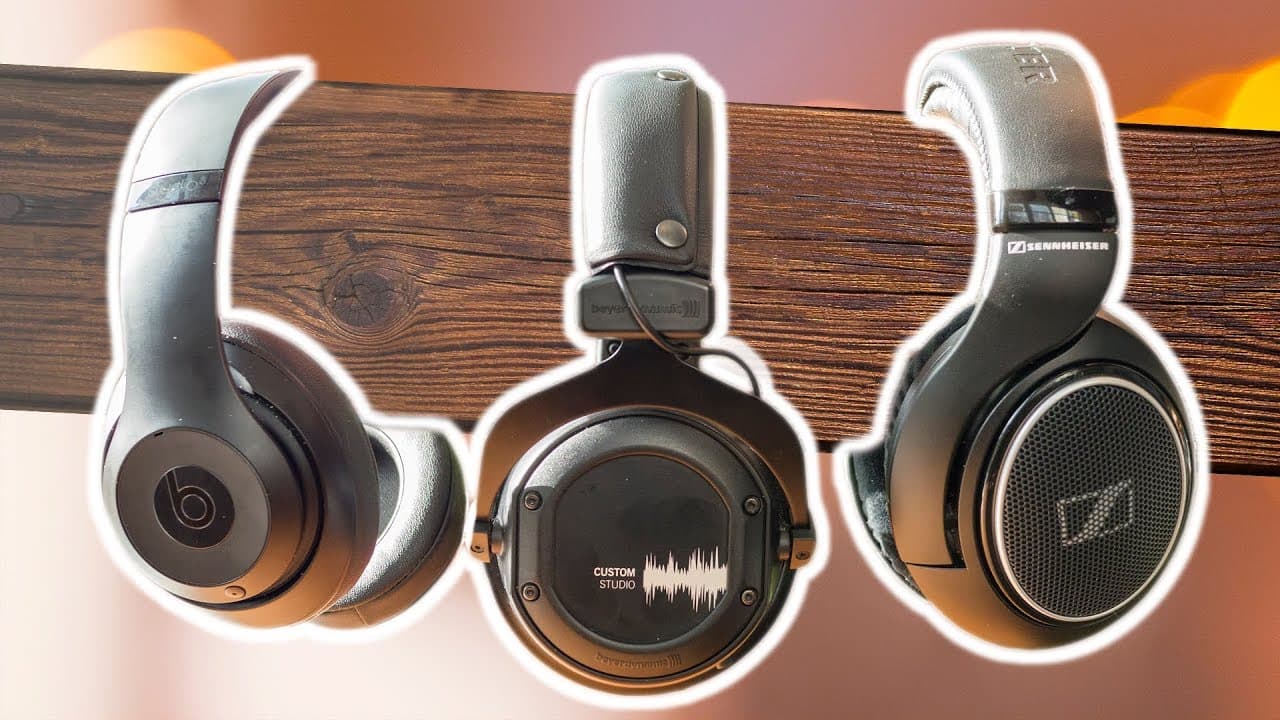
Closed‑back cups trap air, blocking external noise and minimizing leakage. This lets you hear subtle cues—footsteps, reloading clicks—at low volume. Open‑backs vent the enclosure, allowing ambient sound in and out, but they create a far‑wider, more natural soundstage that makes positional audio feel three‑dimensional.
When to pick each:
- Shared apartment or noisy hallway? Choose closed‑back.
- Quiet bedroom or dedicated gaming nook? Open‑back delivers cinematic immersion.
2. Comfort & Heat Build‑Up
Long sessions demand breathable pads and balanced clamping force. Closed‑backs often use dense foam covered in leatherette; look for models with memory‑foam cushions and optional cooling gel layers. Open‑backs use larger cups and cloth or velour pads that let air circulate, but they can add a few grams.
Tips:
- Test the headband for even pressure distribution.
- Prefer pads that can be swapped for cleaning or upgrades.
3. Impedance & Power Requirements
Impedance (Ω) indicates how much power the drivers need. Gaming headsets usually sit at 16 Ω–32 Ω, easy to drive from consoles or laptops. High‑end open‑backs may reach 80 Ω, demanding a headphone amp or a high‑output DAC for full dynamics.
Rule of thumb:
- Portable use (phone, handheld console): Stay below 32 Ω.
- Desktop rig with amp: Higher impedance can bring finer detail.
4. Integrated Mic Quality
A clear mic is as important as the drivers for multiplayer and streaming. Closed‑backs often pair with boom mics that sit outside the acoustic cavity, reducing interference. Open‑backs typically use detachable mics you can position away from the ear cups.
Look for:
- Noise‑cancelling, cardioid pattern, mute switch, and adjustable gain.
- USB‑mic hybrids if you need digital clarity for streaming.
5. Build Quality & Cable Options
Durability matters because headsets endure tugging, drops, and frequent plugging. Metal‑reinforced frames, detachable cables, and replaceable ear pads extend lifespan.
Cable considerations:
- A balanced 2.5 mm or 4.4 mm detachable cable unlocks higher‑resolution audio for open‑backs.
- In‑line controls are handy for quick volume tweaks during games.
Our picks
A fully sealed closed‑back headset for competitive gaming
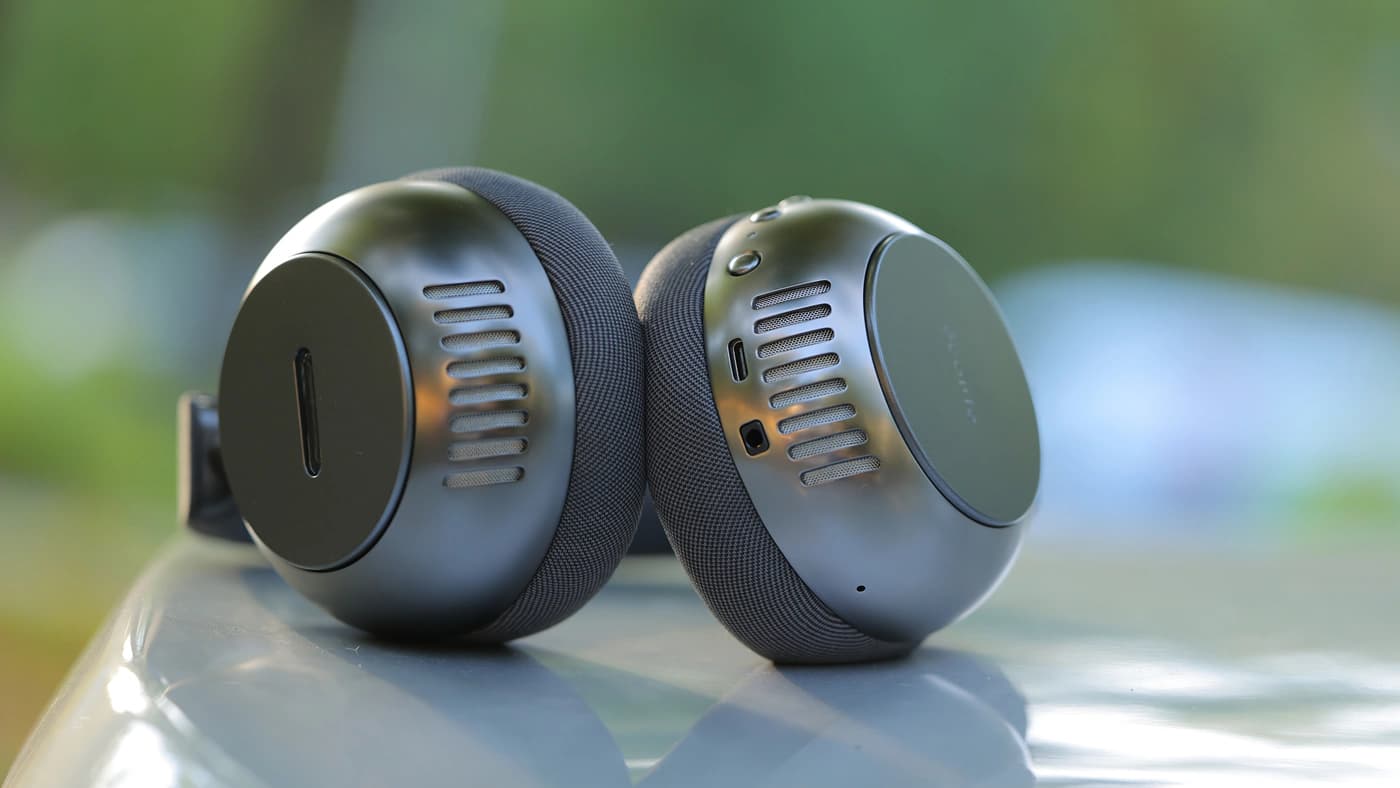
If winning relies on hearing the enemy’s footfall before they spot you, you need a sealed enclosure that blocks distractions. Look for a model with 40‑mm drivers, plush‑filled ear cups, and a low‑profile boom mic that flips out of the way when not needed. Heavy bass response and minimal leakage keep you focused in shared apartments, noisy dorms, or LAN tournaments.
Why it works:
- Isolation prevents chat bleed.
- Low impedance (≈24 Ω) drives easily from any console.
- Detachable cable and reinforced frame add ruggedness.
Shop this type: Check price on Amazon →
An open‑back, large‑driver model for immersive single‑player experiences
Story‑driven titles and flight simulators reward a headphone that can spread sound across a wide stage. Choose a pair with 50‑mm or larger drivers, breathable cloth pads, and an aluminum or carbon‑fiber frame for lightweight comfort. Expect a slightly higher impedance (≈60 Ω), so a modest amp or a strong PC line‑out will bring out the detail.
Why it works:
- Vented design renders rain, wind, and distant explosions with pinpoint accuracy.
- Detachable mic lets you switch to a studio‑grade stand‑mic for streaming.
- Ideal for quiet rooms or home theater setups.
Shop this type: Check price on Amazon →
A hybrid semi‑open headset for mixed use (gaming + music)
Not everyone wants total isolation or total openness. A semi‑open design uses acoustic vents with damping mesh, giving enough isolation for voice chat while preserving a sense of space for music and movies. Look for a detachable boom mic with a mute button and a balanced detachable cable for easy swapping between consoles and high‑resolution DACs.
Why it works:
- Moderate isolation keeps chat clear.
- Wider soundstage than a sealed headset makes movies and music enjoyable.
- Versatile for students gaming at night without disturbing roommates.
Shop this type: Check price on Amazon →
How to choose
- Assess your environment – Noisy shared space → closed‑back. Quiet private room → open‑back.
- Define session length – Longer than 2 hr? Prioritize breathable pads and lightweight frames; open‑backs often win here.
- Match hardware – Console or laptop → low‑impedance (<32 Ω). Desktop with amp → higher impedance acceptable.
- Prioritize features – Mute switch, volume wheel, detachable cable, mic type. Rank them and pick the design that satisfies your top three.
- Test if possible – Play a fast‑paced FPS and a cinematic RPG back‑to‑back. Notice isolation, soundstage, and ear fatigue.
FAQ
Which design provides better bass response?
Closed‑back headphones produce tighter, more pronounced bass because the sealed enclosure prevents low‑frequency air movement from escaping.
Can I use open‑back headphones with a gaming console?
Yes, as long as the console offers a 3.5 mm headphone jack or you use an appropriate adapter. Remember that open‑backs leak sound, so a quiet room is advisable.
Do closed‑back headsets cause ear fatigue?
They can if the ear pads are overly tight or non‑breathable. Choose memory‑foam cushions covered in velour or leatherette with ventilation channels to reduce heat build‑up.
How important is impedance for gaming?
Most consoles and laptops output modest power, so headphones in the 16‑32 Ω range are safest. Higher‑impedance models need more power and may benefit from an external amp.
Are detachable cables worth it?
Absolutely, especially for open‑back or hybrid designs. A detachable cable lets you replace a frayed line or upgrade to a balanced cable for higher‑resolution audio.
Bottom line
Closed‑back headphones excel at isolation, making them the go‑to choice for competitive, noisy, or shared‑space gaming. Open‑back models sacrifice isolation for an expansive, immersive soundstage that shines in quiet rooms and single‑player adventures. Hybrid designs sit in the middle, offering enough isolation for chat and a hint of openness for versatility. By evaluating your environment, session length, hardware, and feature priorities, you can pinpoint the design that balances comfort, sound quality, and practicality for your play style. Happy hunting, and may your audio be as sharp as your aim!