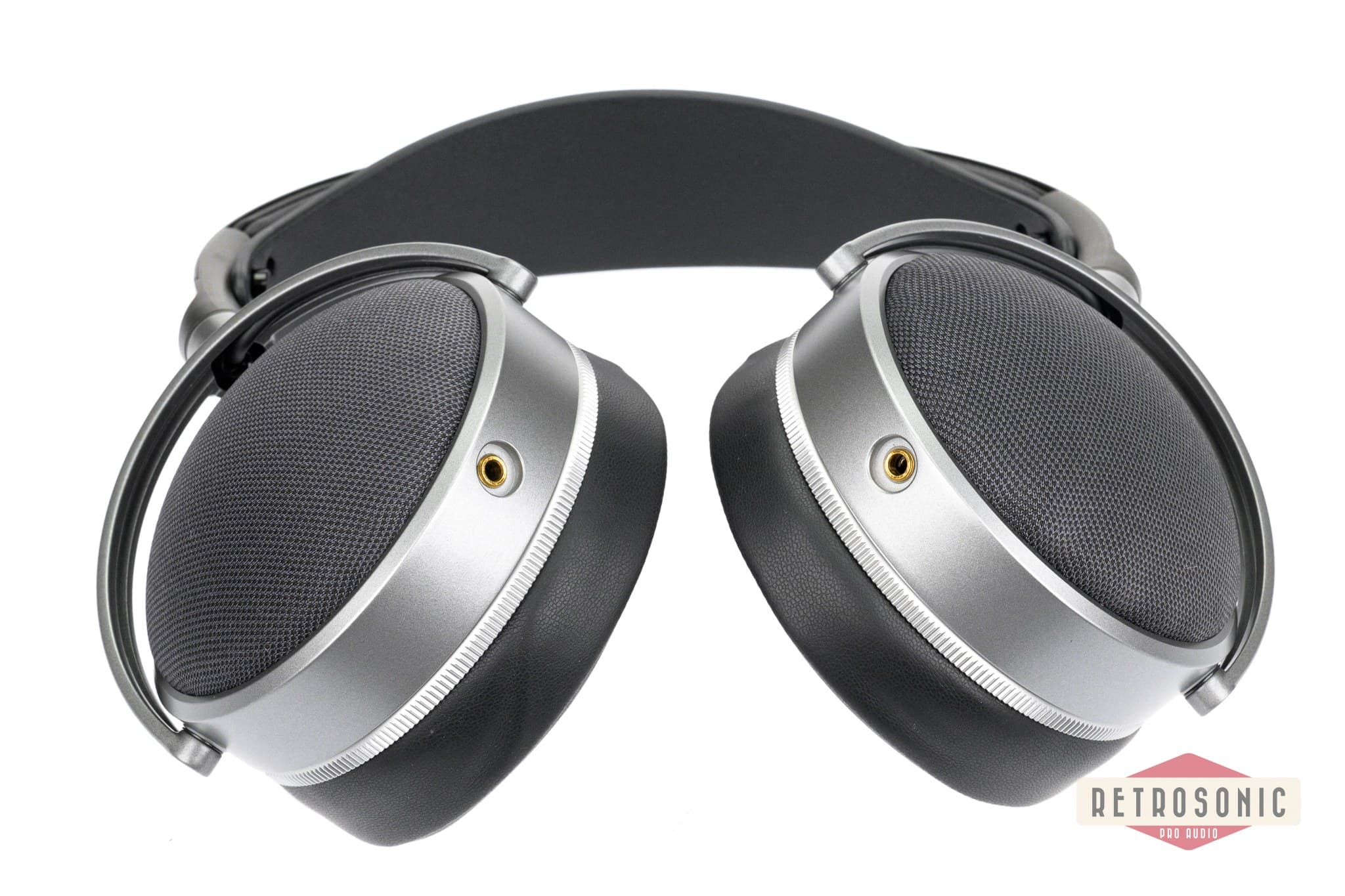
Closed‑Back Headphones for Noisy Environments Review – What Works Best When You Need Isolation
You spend hours on a crowded subway, a bustling open‑plan office, or a noisy home studio. The constant clatter makes it impossible to focus on a conference call, mix a track, or simply enjoy a podcast. What you need is a pair of headphones that shut the world out while still delivering the detail you expect. This guide shows you which specifications matter, how to match a model to a specific environment, and which three categories dominate the market today.
Quick picks
- Travel‑oriented noise‑cancelling headphones – Sub‑250 g, 20‑hour ANC battery, fold‑over hinge, warm sound signature for cabin noise.
- Studio‑monitor closed‑back headphones – 50 mm drivers, neutral tuning, 250 Ω impedance, detachable cable, all‑metal chassis.
- High‑impedance audiophile headphones – Flat frequency response, premium alloys, memory‑foam earpads, requires dedicated DAC/amp.
- Gaming‑focused closed‑back headsets – Integrated boom mic, reinforced headband, slightly boosted low‑end for immersive gameplay.
What to look for
1. Passive isolation vs. active noise cancellation (ANC)
Closed‑back cups block a baseline of 15‑20 dB simply by sealing the ear. Materials matter: dense ABS shells, thick foam padding, and a snug clamping force increase passive isolation. ANC adds electronics that emit anti‑phase sound, delivering an extra 10‑15 dB of reduction, especially in low‑frequency hums such as airplane engines. Choose a model with a switchable ANC so you can conserve battery when you only need passive isolation.
2. Driver size and tuning philosophy
Drivers between 40 mm and 50 mm dominate closed‑back designs. Larger diaphragms move more air, producing deeper bass but also risking low‑frequency leakage. Audiophile‑grade units favour a flat, neutral curve; travel and gaming kits often emphasize a richer low‑end for a “warmer” feel. Decide whether you need accuracy (mixing) or impact (movies, games).
3. Impedance and sensitivity
- Low‑impedance (≤ 32 Ω) – Works directly from phones, laptops, and tablets.
- High‑impedance (≥ 250 Ω) – Requires a dedicated amp or DAC/amp combo for full dynamics. Higher sensitivity (≥ 100 dB SPL/1 mW) helps you cut through ambient chatter without maxing out the source volume.
4. Comfort and clamping force
Long sessions demand breathable earpads (memory‑foam wrapped in velour or leatherette) and a headband that distributes pressure evenly. A moderate clamping force keeps the seal tight without leaving red marks. Weight is also crucial: under 300 g for travel, 350 g+ is acceptable for studio work.
5. Battery life and wired fallback
ANC units rely on lithium‑ion cells. Aim for ≥ 20 hours of continuous ANC playback; a wired “pass‑through” mode lets you keep listening when the battery dies. Some models also support USB‑C fast charging (full charge in ~2 h).
6. Build quality and portability
Sturdy hinges, reinforced or detachable cables, and a hard‑shell case protect the kit from daily bag‑life abuse. Fold‑over designs save space but may introduce a few decibels of leakage; choose a split‑ear design if absolute isolation is non‑negotiable.
Our picks
1. Compact travel‑oriented noise‑cancelling headphone
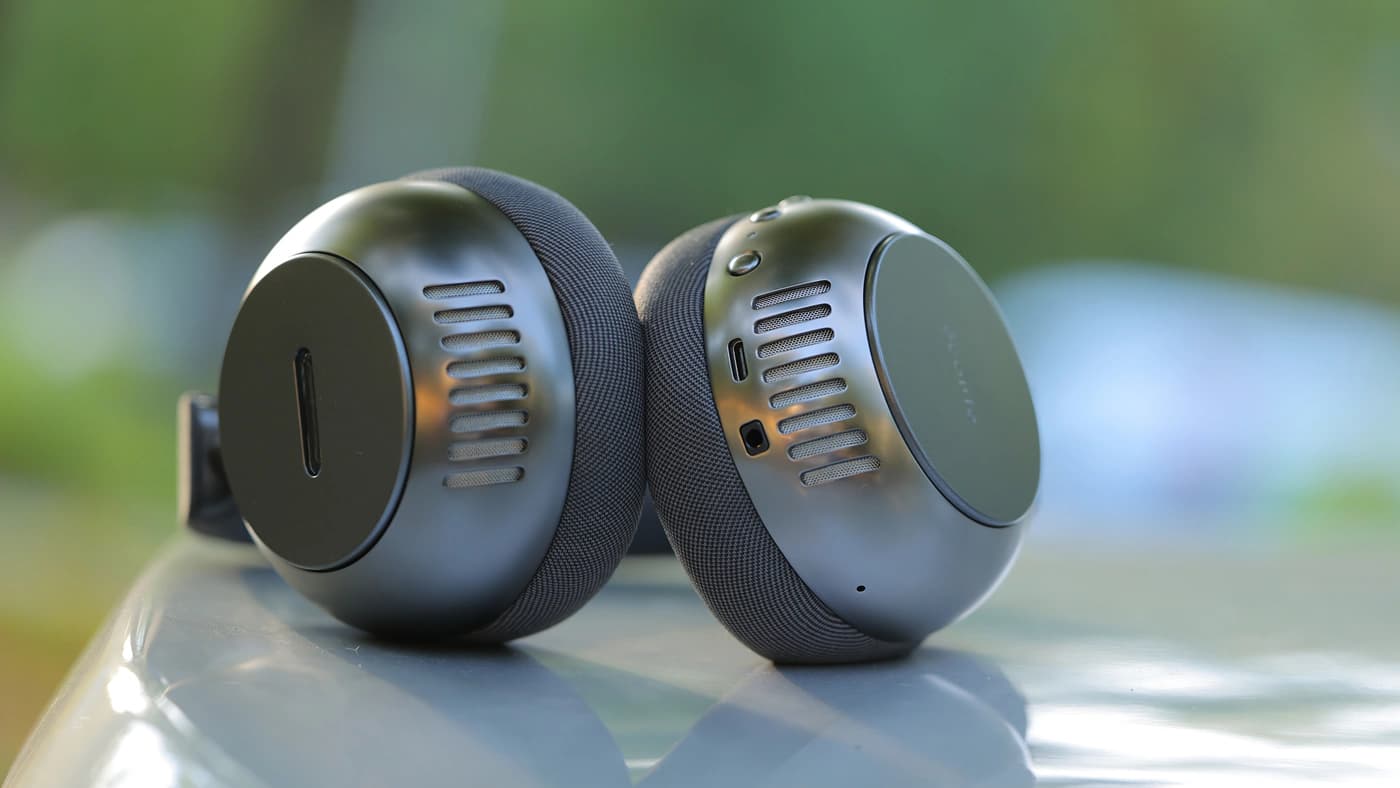
A lightweight, sub‑250 g closed‑back set with 20 + hour ANC battery and a folding hinge fits into any carry‑on. The sound signature is slightly warm to mask tinny cabin tones while preserving voice clarity for podcasts and calls. Breathable earpads stay comfy on five‑hour flights, and a stainless‑steel headband resists deformation.
Who it suits: Daily commuters, frequent flyers, and anyone who values pocket‑size portability over studio‑grade accuracy.
Trade‑offs: Smaller drivers (≈ 40 mm) limit deep bass impact; passive isolation drops by ~3 dB when ANC is off.
Shop this type: Check price on Amazon →
2. Studio‑monitor closed‑back headphone for critical listening in loud rooms
A reference‑grade pair with 50 mm drivers, 250 Ω impedance, and a neutral tuning curve delivers precise imaging even when the room’s speakers are cranked. The all‑metal chassis eliminates resonance, while the detachable 3‑meter cable makes swapping gear painless. No ANC—studio isolation is already high.
Who it suits: Audio engineers, producers, and serious hobbyists who need an accurate listening tool for mixing, mastering, or critical music analysis.
Trade‑offs: High impedance demands a dedicated amp for portable use; weight (≈ 360 g) makes it unsuitable for extended travel.
Shop this type: Check price on Amazon →
3. High‑impedance audiophile headphone for home critical listening
Designed for a quiet listening room, this model combines a flat frequency response with premium materials such as an aluminum‑magnesium alloy frame and leather‑wrapped memory‑foam pads. At 300 Ω it extracts the most detail from high‑resolution streams, but only when paired with a clean DAC/amp capable of delivering ≥ 1 W per channel. Passive isolation exceeds 30 dB, so ANC is unnecessary.
Who it suits: Audiophiles with high‑end audio chains, vinyl collectors, and anyone who wants a sealed pair that preserves imaging while blocking stray noise.
Trade‑offs: Requires a powered source; not ideal for on‑the‑go listening. Premium build pushes the price above $600, and the stiff headband may need a short break‑in period.
Shop this type: Check price on Amazon →
4. Gaming‑focused closed‑back headset (bonus pick)
A hybrid option for gamers who also need isolation. Features a boom‑mic, reinforced swivel hinges, and a low‑latency USB‑DAC. The drivers (44 mm) are tuned for a slight bass boost, creating a visceral impact in shooters while preserving vocal clarity for team chat. Battery‑free operation eliminates the need to charge between marathon sessions.
Who it suits: Competitive gamers, streamers, and anyone who wants combined headset functionality without sacrificing isolation.
Trade‑offs: Mic cable can pick up handling noise; soundstage is narrower than pure‑audio headphones.
How to choose
- Define the dominant environment – Commute, studio, or home. Mobility and battery life dominate travel; driver size and impedance dominate studio.
- Prioritize isolation method – Passive only (high‑quality pads, sturdy shells) vs. ANC (extra dB, battery trade‑off).
- Match impedance to your gear – If you only have a phone, stick to ≤ 32 Ω. If you own a desktop DAC, ≥ 250 Ω unlocks full dynamics.
- Test comfort – Wear each model for at least 30 minutes. Check for pressure points, heat buildup, and seal integrity.
- Compare spec sheets side‑by‑side – Create a simple table (battery life, impedance, driver size, weight, price) to visualize gaps.
- Read real‑world reviews – Look for keywords like “leakage,” “clamping pressure,” and “bass response.” These user‑generated clues often reveal issues specs hide.
- Budget vs. performance – Allocate roughly 30 % of your total audio budget to the headphones; the rest can go to a decent amp or DAC if needed.
Follow this checklist and you’ll land on a closed‑back pair that silences the chaos while delivering the sound you expect.
FAQ
What is the difference between passive isolation and active noise cancellation?
Passive isolation relies on the physical seal of the ear cups and padding to block sound. Active noise cancellation adds microphones and digital processing to generate anti‑phase waves that cancel ambient noise, especially low‑frequency hums.
Can I use high‑impedance closed‑back headphones with my phone?
You can, but the volume and dynamics will be limited. Pair them with a portable DAC/amp for full performance.
Are closed‑back headphones safe for long listening sessions?
Yes, provided you keep the volume below 85 dB and take regular 5‑minute breaks every hour. The sealed design actually reduces ear fatigue by limiting external distractions.
Do I need a detachable cable for travel?
A detachable cable isn’t mandatory, but it protects the headphones if the cable is yanked. It also lets you replace a damaged cable without buying a new set.
How much does a good pair of closed‑back headphones cost?
Travel‑oriented models start around $100, studio‑monitor variants sit between $200‑$400, and high‑end audiophile units can exceed $600. Choose based on the features you need most.
Bottom line
Closed‑back headphones are the go‑to solution for anyone who needs serious isolation in noisy environments. Travel‑focused ANC sets give you portable quiet, studio‑monitor models deliver reference‑grade accuracy for loud workspaces, and high‑impedance audiophile headphones provide pure detail for quiet home listening. By weighing isolation method, driver size, impedance, comfort, and battery life against your daily routine, you can select a sealed pair that keeps the world out and the music in.