Best Open‑Back Headphones for Studio Mixing
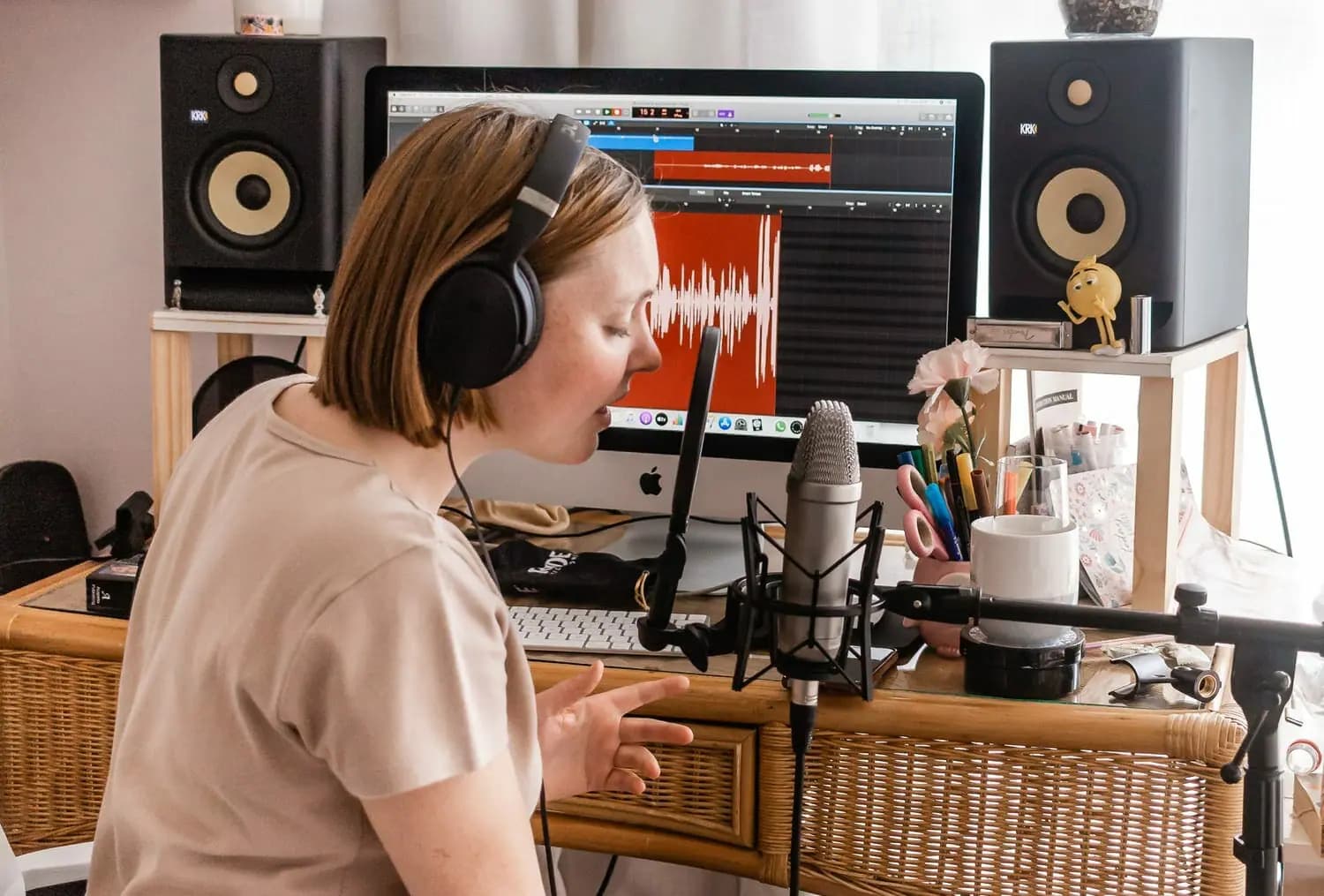
When you hear a mix on cheap or closed‑back headphones and the balance feels off, you’re forced to guess whether the problem lies in the mix or the gear. You need a pair that reveals detail, reproduces a wide stereo image, and stays neutral long enough to make critical decisions. Open‑back designs provide the “room‑like” soundstage that mirrors near‑field monitors, letting you trust what you hear.
This guide breaks down the styles of open‑back headphones that work in a studio, the specs that truly matter for mixing, and a curated set of picks for common use cases. Whether you have a professional amp, a modest laptop set‑up, or need a portable solution, the recommendations point you to the right product without guesswork.
Quick picks
- Reference‑grade, high‑impedance – For engineers with a dedicated amp who want the most accurate, low‑distortion soundstage.
- Budget‑friendly, low‑impedance – Ideal for laptops or entry‑level interfaces; no extra gear required.
- Portable, lightweight – Perfect for freelancers who travel between studios and need a fold‑up pair.
- Planar‑magnetic or electro‑static – For those chasing ultra‑low distortion and a near‑perfectly flat response.
What to look for
1. Driver technology and frequency response
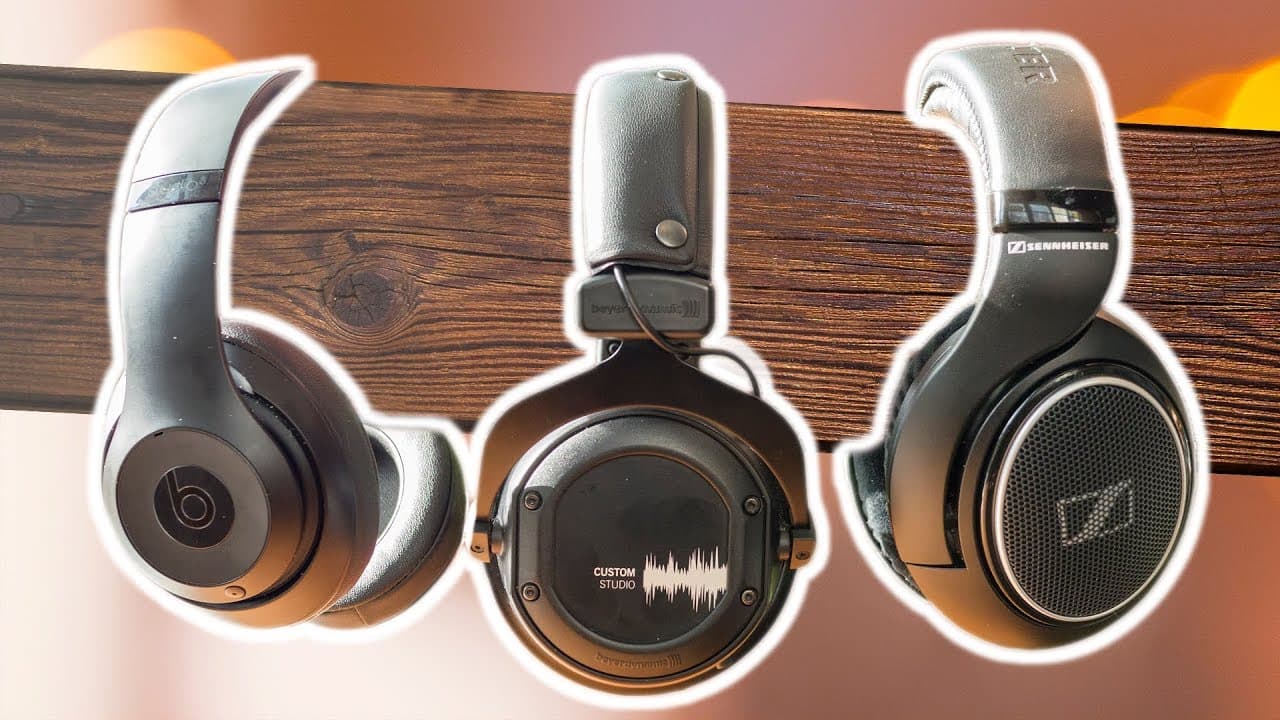
Open‑backs use dynamic, planar‑magnetic, or electro‑static drivers. Dynamic drivers are common and can be accurate if well tuned. Planar‑magnetic drivers deliver low distortion and tight bass; electro‑static designs give the smoothest mids and highs but need an energizer. Aim for a published response around 20 Hz – 20 kHz flat within ±3 dB. Anything labeled “enhanced lows” or “bright highs” will color your mix.
2. Impedance and sensitivity
High‑impedance models (150 Ω–600 Ω) need a solid amp but usually produce lower distortion and a controlled bass. Low‑impedance options (≤ 50 Ω) can be driven directly from most interfaces, laptops, or smartphones. Sensitivity of 90‑110 dB SPL at 1 mW is comfortable for most mixers.
3. Soundstage and imaging
Open‑backs excel at separating instruments laterally and in depth. Look for reviewer notes on “good imaging,” “precise placement,” or “spacious field.” Trust independent tests rather than marketing numbers.
4. Build quality and comfort
Mix sessions can run 8 hours+, so ergonomic headbands, plush ear pads (velour or leatherette), and a weight under 350 g are ideal. Replaceable cables and a sturdy hinge add longevity. Ensure enough ear‑cup clearance for glasses or a headset.
5. Connectivity and accessories
Most studio open‑backs use a 3.5 mm (¼‑inch) stereo plug; high‑end models may offer a detachable balanced 2.5 mm cable for lower noise. An extra coiled cable and a carrying case are useful for mobile work.
Our picks
Reference‑grade, high‑impedance headphones
If you already own a quality headphone amp or a pro audio interface with a solid output, a high‑impedance, reference‑grade pair gives the most accurate translation of your mix. These units typically use premium dynamic or planar‑magnetic drivers, delivering sub‑0.1 % THD and a flat response that reveals subtle EQ or compression changes.
Shop this type: Check price on Amazon →
Budget‑friendly, low‑impedance open‑backs
For producers on a modest budget, low‑impedance models provide a plug‑and‑play experience with standard interfaces, laptops, or even smartphones. Modern budget units often stay within ±5 dB across the audible range and deliver a surprisingly spacious stage for the price.
Shop this type: Check price on Amazon →
Portable, lightweight open‑backs
Freelance engineers and field recordists need a pair that folds flat, stays comfortable on the go, and still offers an honest mix picture. These headphones usually have dynamic drivers, impedance of 30‑50 Ω, and a compact hinge. They sacrifice a bit of bass depth for weight and portability but remain reliable for on‑laptop revisions.
Shop this type: Check price on Amazon →
Planar‑magnetic open‑backs for ultra‑low distortion
When budget permits, planar‑magnetic open‑backs are worth serious consideration. Their thin diaphragms driven by a uniform magnetic field produce ultra‑low distortion and fast transients—ideal for spotting phase issues or masking problems.
Shop this type: Check price on Amazon →
Electro‑static open‑backs for the ultimate flat response
Electro‑static headphones achieve near‑perfect neutrality by suspending an ultra‑thin diaphragm between two stators. The result is an “air‑like” mids and highs with a natural decay that reveals reverb tails and room ambience. They require a dedicated energizer, making them best suited for permanent studio setups.
Shop this type: Check price on Amazon →
How to choose
- Match impedance to your gear. If you have a quality amp, lean toward high‑impedance reference or planar‑magnetic models. Without an amp, choose low‑impedance or portable options.
- Consider usage patterns. A stationary home studio can accommodate a heavier, full‑size pair. A mobile producer should prioritize weight, foldability, and detachable cables.
- Balance budget versus accuracy. For most mixing tasks, a well‑balanced low‑impedance open‑back is sufficient. Planar‑magnetic or electro‑static units provide marginal gains that matter mainly in mastering or highly detailed analysis.
| Need | Recommended type | Typical impedance | Power source |
|---|---|---|---|
| Already have amp, want highest accuracy | Reference‑grade high‑impedance | 150 Ω‑600 Ω | Dedicated amp |
| Plug‑and‑play, modest budget | Low‑impedance budget | ≤ 50 Ω | Interface/Laptop |
| Frequent travel | Foldable lightweight | 30‑50 Ω | Interface/Laptop |
| Ultra‑low distortion, fine details | Planar‑magnetic | 150‑250 Ω | Amp |
| Near‑neutral, mastering‑grade | Electro‑static | 30‑70 Ω (per energizer) | Energizer |
Pick the row that aligns with your workflow, then use the “Shop this type” links to explore specific models.
FAQ
What makes open‑back headphones better for mixing than closed‑backs?
Open‑backs let air move through the ear cups, reducing internal reflections and creating a natural, spacious soundstage. This helps you judge instrument placement and stereo width more accurately than the often “boxed‑in” feel of closed‑backs.
Do I need a headphone amp for open‑back headphones?
Only for high‑impedance models (generally over 100 Ω). Low‑impedance headphones can be driven directly from most audio interfaces, laptops, or smartphones.
Can I use open‑back headphones in a noisy environment?
Because they leak sound both ways, they’re unsuitable for noisy rooms or live‑room monitoring. Use them in a quiet mixing space or pair them with isolation pads on monitor speakers.
How often should I replace the ear pads?
Usually after 1‑2 years of heavy use. Choose headphones with easily replaceable pads to restore comfort and maintain consistent frequency response.
Are planar‑magnetic headphones louder than dynamic ones?
Loudness depends on sensitivity, not driver type. Planar‑magnetic headphones often have lower sensitivity, so they may need more power to reach the same SPL as a high‑sensitivity dynamic pair.
Do electro‑static headphones need a special DAC?
No, they need an energizer (or “breaker”) that supplies high voltage to the stators. The energizer accepts a line‑level signal from any quality DAC, interface, or amp.
Is a wider soundstage always better for mixing?
A wide soundstage helps with spatial decisions, but an exaggerated stage can make low‑frequency elements feel detached. Choose a headphone that offers a natural, balanced stage rather than one that over‑emphasizes width.
Bottom line
Open‑back headphones are the go‑to choice for studio mixing because they deliver a neutral, spacious sound that mirrors near‑field monitors. Your decision should hinge on impedance (and thus amp requirement), portability, and the level of accuracy you need. Whether you select a high‑impedance reference model, a budget low‑impedance pair, a foldable travel set, or an ultra‑precise planar‑magnetic or electro‑static unit, matching the headphones to your existing gear and workflow ensures your mixes translate faithfully from headphones to speakers. Happy mixing!