Best Headphones for Classical Music Listening: A Buying Guide
You love the nuance of a solo violin, but your current headphones blur the strings together and drown the orchestra’s ambience. That frustration is common for anyone trying to enjoy high‑resolution classical recordings on consumer‑grade gear. This guide pinpoints the technical traits that preserve every overtone, matches those traits to real‑world listening scenarios, and presents vetted options for every budget. By the end you’ll know exactly which design, driver, and impedance suit your room, your source, and your listening habits.
Quick picks
- Open‑back over‑ear for critical listening in a quiet room – maximizes soundstage and imaging.
- Closed‑back over‑ear for home studios or late‑night practice – isolates sound without sacrificing bass control.
- Portable closed‑back (wireless or wired) for commuting – balances comfort, battery life, and detail on the go.
- Planar‑magnetic or electro‑static models for ultra‑high resolution – ideal when you have a dedicated amp and want every overtone heard.
- Entry‑level open‑back for newcomers – delivers an honest representation at a more approachable price point.
What to look for
Frequency response & harmonic detail
Classical recordings span the full audible spectrum, from the low rumble of a timpani to the airy hiss of a piccolo. A flat, wide response (≈20 Hz – 20 kHz) is essential, but harmonic resolution matters more than peak numbers. Target specifications that list total harmonic distortion below 0.1 % and a smooth curve without pronounced peaks that could mask subtle instrument articulation.
Driver technology
- Dynamic drivers – the workhorse of most headphones; when well‑damped they provide balanced mids and controlled bass.
- Planar‑magnetic drivers – a thin, electrically driven membrane that yields ultra‑low distortion and rapid transients, revealing the attack of strings and percussion.
- Electro‑static drivers – an almost weightless diaphragm driven between two stators, delivering a breathtaking soundstage. They require a dedicated energizer but excel at reproducing the spatial complexity of a symphony hall.
Open vs. closed design
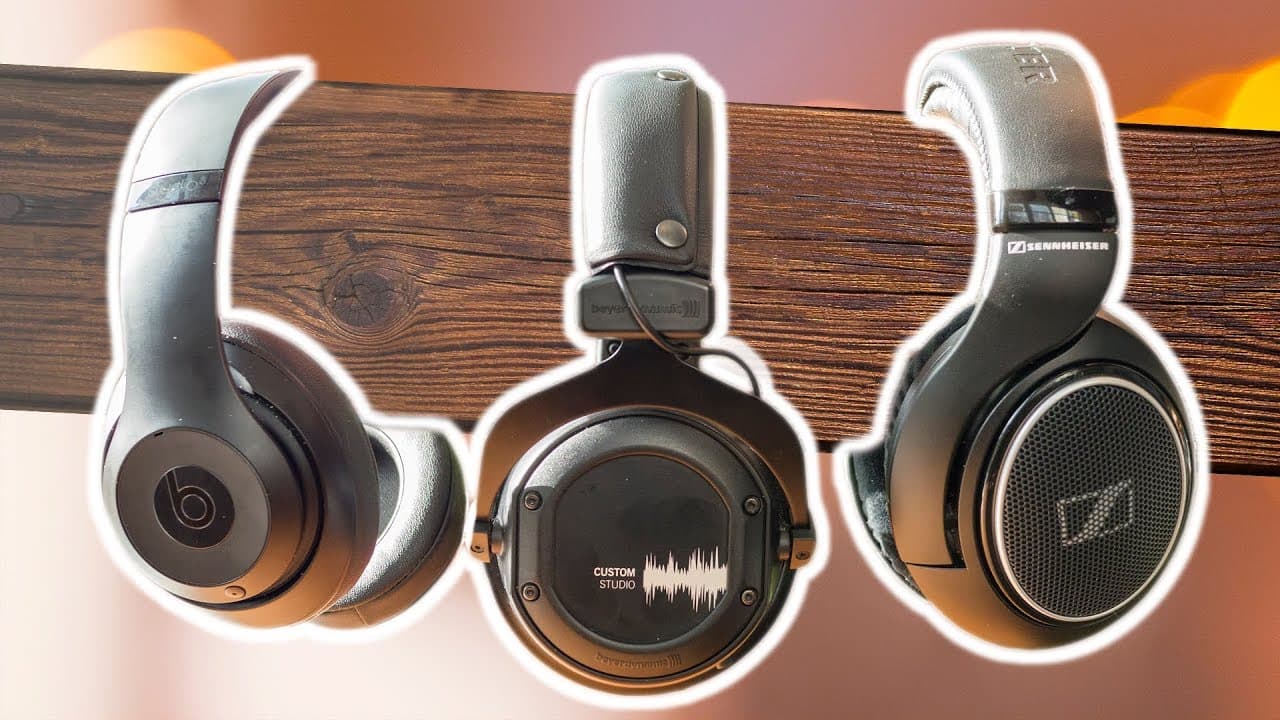
- Open‑back – air flows freely through the ear cups, creating a natural, spacious soundstage that mimics a concert hall. Ideal for quiet rooms; they leak sound outward and admit external noise.
- Closed‑back – sealed chambers trap sound, providing isolation and a tighter bass response. Modern closed‑backs retain accurate imaging, making them practical for late‑night listening or shared spaces.
Impedance & source compatibility
Impedance indicates the voltage a headphone needs for optimal performance.
- Low‑impedance (< 32 Ω) – can be driven directly by smartphones, laptops, and portable DACs.
- High‑impedance (≥ 150 Ω) – benefits from a dedicated amp; the extra voltage headroom unlocks finer dynamics and resolution. Match the headphone’s impedance to the output capability of your primary source.
Comfort & build quality
Marathon listening sessions demand breathable ear pads (velour or high‑quality leather‑type), a balanced headband, and a total weight under 350 g for over‑ear designs. Look for metal or reinforced plastic frames that resist resonance and stand up to daily use.
Cabling & connectivity
Detachable cables let you replace a frayed line or upgrade to a balanced 2.5 mm or 4.4 mm Pentaconn cable. For wireless models, prioritize codecs such as aptX HD, LDAC, or LHDC, which preserve more high‑resolution data. Nevertheless, a high‑quality wired connection remains the gold standard for critical classical listening.
Our picks
1. Reference‑grade open‑back over‑ear headphones
For a dedicated listening space—home library, modest studio, or quiet bedroom—open‑backs provide the most natural depth and instrument placement. Seek a large driver (40 mm – 50 mm) paired with planar‑magnetic or premium dynamic technology, a flat 20 Hz – 20 kHz response, and <0.1 % THD. Expect a moderate‑to‑high impedance (150 Ω – 250 Ω) and a sturdy metal frame.
Shop this type: Check price on Amazon →
2. Closed‑back over‑ear headphones for home studios
When late‑night practice or vocal recording is a priority, a sealed design prevents bleed and keeps neighbors happy. Choose a model with ≥ 40 mm drivers, a balanced response, and an impedance between 32 Ω and 80 Ω. Detachable cables and a modest weight (≈ 300 g) make these versatile for both critical listening and studio work.
Shop this type: Check price on Amazon →
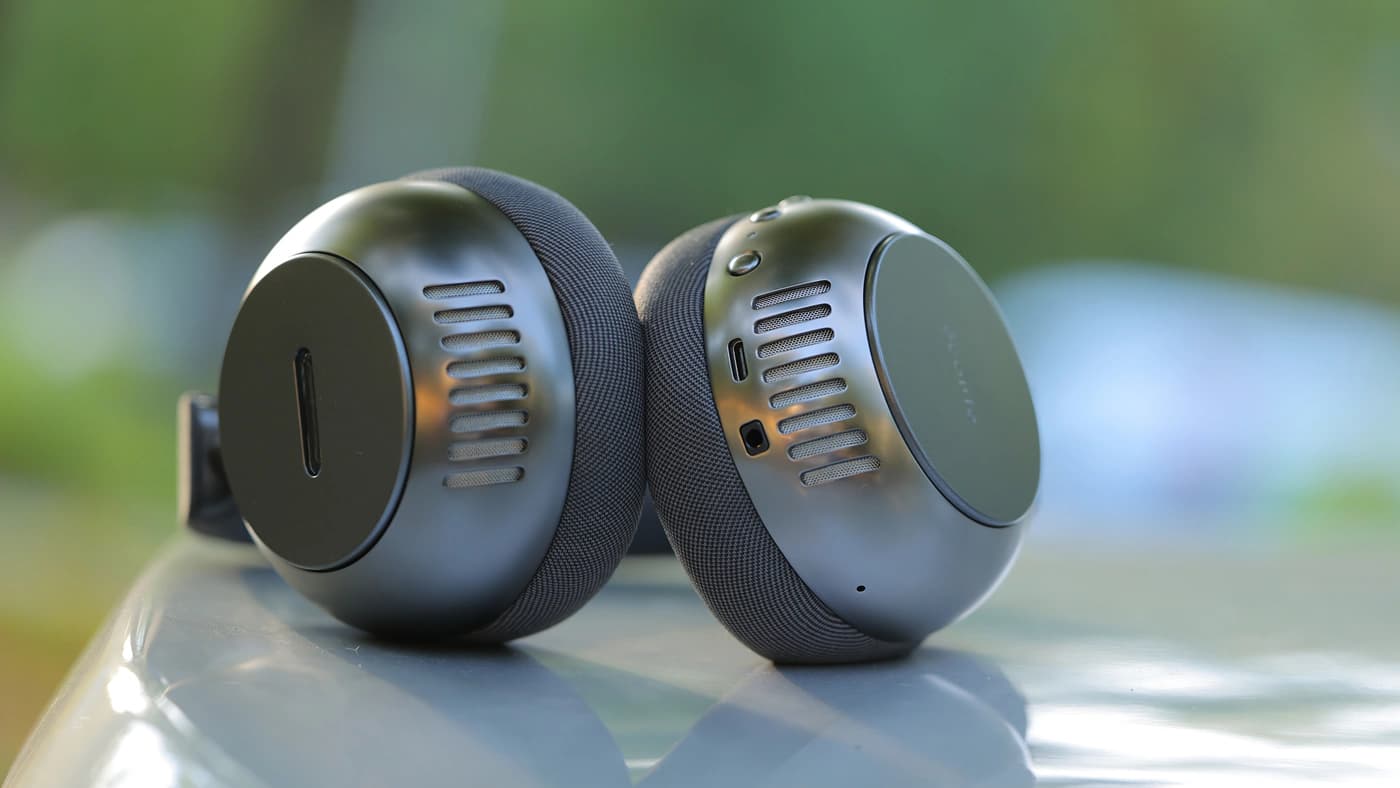
3. Portable wireless closed‑back headphones for commuting
Travelers often sacrifice fidelity for convenience, but a high‑resolution codec and an optional wired mode can bridge the gap. Look for LDAC or aptX HD support, 20 h+ battery life, weight under 250 g, and comfortable velour pads. An impedance of 16 Ω – 32 Ω ensures easy drive from smartphones.
Shop this type: Check price on Amazon →
4. Planar‑magnetic headphones for ultra‑detailed resolution
If you own a high‑end DAC/amp and crave the most transparent rendition of a Mahler finale, planar‑magnetic headphones deliver unrivaled transients and low distortion. Expect 250 Ω – 350 Ω impedance, a solid chassis, and a weight around 400 g—features that demand a robust amp but reward you with microscopic detail.
Shop this type: Check price on Amazon →
How to choose
- Define your listening environment. Quiet, dedicated rooms call for open‑backs; shared apartments or late‑night sessions demand closed‑backs.
- Match impedance to your source. Portable users gravitate to ≤ 32 Ω models; desktop audiophiles can exploit ≥ 150 Ω units.
- Prioritize comfort for session length. Over‑ear designs with breathable pads win marathon listening, while on‑ear or in‑ear solutions excel for travel.
- Decide wired vs. wireless. Wireless codec support mitigates data loss, but a balanced wired link still offers the cleanest signal path.
- Align with budget. Entry‑level open‑backs (≈ $300) provide honest soundstage; flagship planar‑magnetics (>$1500) unlock studio‑grade nuance.
By ticking these boxes you’ll land on the headphone type that transforms every orchestral movement into a personal performance.
FAQ
What driver type is best for classical music?
Planar‑magnetic and high‑quality dynamic drivers deliver low distortion and fast transients, which reveal the subtle attacks of strings and percussion. Electro‑static drivers add an even wider soundstage but require a dedicated energizer.
Do open‑back headphones leak sound?
Yes. They let sound escape both ways, so they work best in a quiet room where you don’t mind the music being audible to anyone nearby.
How important is impedance for a laptop or phone?
Low‑impedance headphones (≤ 32 Ω) are easy to drive from portable devices and reach adequate volume without an external amp. High‑impedance models need a more powerful source to unlock their full dynamics.
Can I use a wireless headphone for high‑resolution classical recordings?
You can, provided the headphones support a high‑resolution codec like aptX HD, LDAC, or LHDC. Still, a wired connection remains the benchmark for ultimate fidelity.
What ear‑pad material is best for long listening sessions?
Velour pads stay cooler and more breathable, which many listeners prefer for marathon sessions. Leather‑type pads feel softer initially but can become warm after an hour or two.
Bottom line
Choosing the best headphones for classical music reduces to three decisions: open‑ or closed‑back design based on your environment, driver technology that emphasizes detail and low distortion, and impedance that matches your source. With those criteria in hand, you can select a pair that turns every symphony, chamber work, or solo performance into a captivating, room‑filling experience—whether you’re at home, on the go, or in the studio.