Best Headphone Amp for High‑Impedance Headphones: An In‑Depth Buying Guide
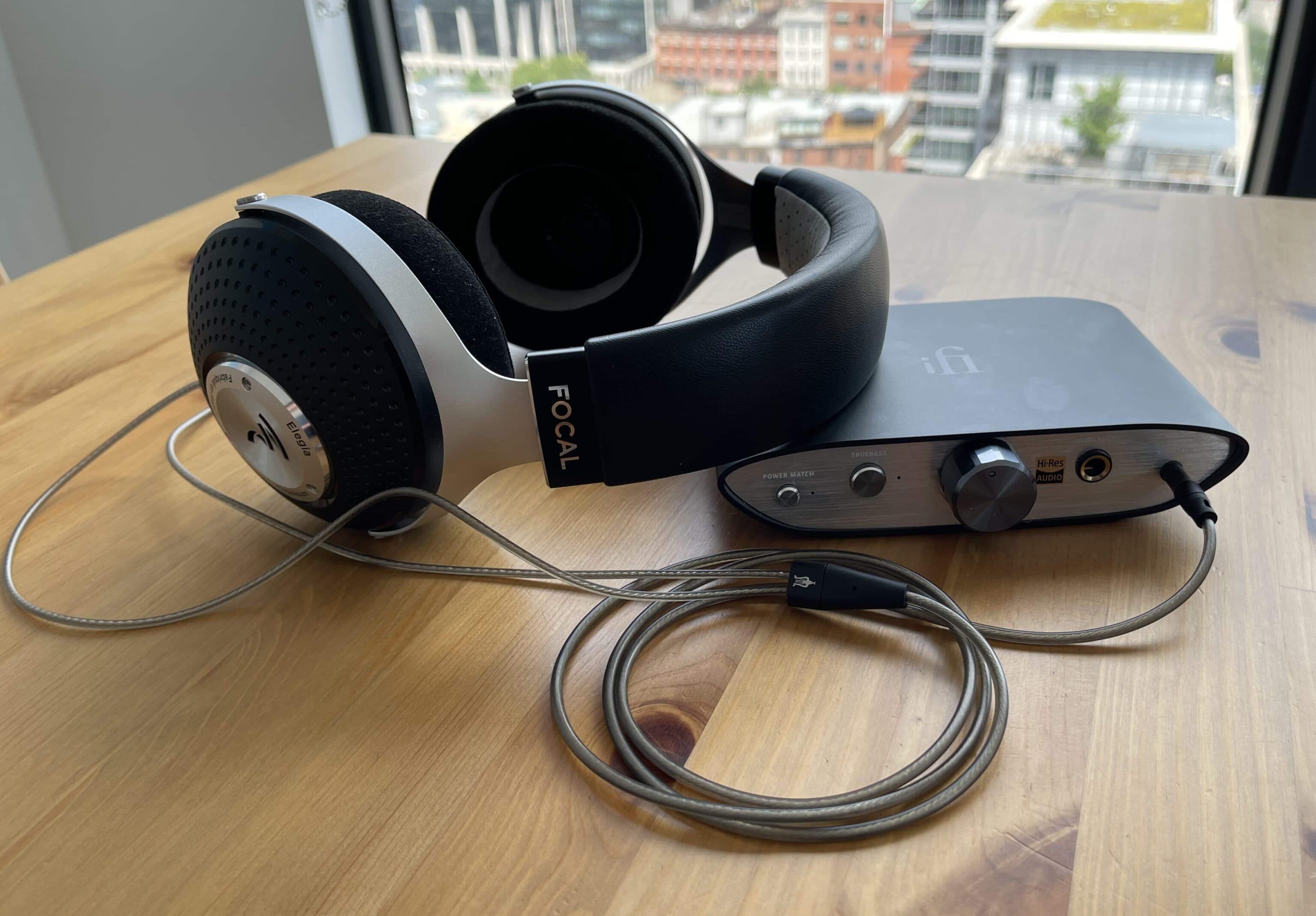
You’ve invested in high‑impedance headphones (250 Ω, 300 Ω, 600 Ω) only to hear weak, restricted sound from your laptop or phone. Those drivers need more voltage and current than a typical source can provide, so a dedicated headphone amplifier is essential. This guide cuts through the clutter of solid‑state desks, portable chargers, tube warmers, hybrid DAC‑amp combos, and modular chassis. You’ll learn which specifications truly matter, which amp style fits each listening scenario, and how to avoid the cheap‑fix pitfalls that leave premium headphones sounding thin.
Quick picks
- Desktop solid‑state amp – Powerful, low‑noise, desk‑or‑studio ready.
- Portable battery‑powered amp – USB‑rechargeable, perfect for travel.
- Tube‑driven amp – Soft clipping and harmonic richness for critical listening.
- Hybrid amp with built‑in DAC – One‑box solution that combines conversion and amplification.
- Modular amp platform – Chassis you can upgrade with different modules (solid‑state, tube, gain stages).
What to look for
Output voltage and power (mW into 600 Ω)
High‑impedance headphones need voltage, not just current. Aim for ≥2 V RMS into 600 Ω (~6 mW). Designs that push 3 V give extra headroom for dynamic passages. An amp that only lists “500 mW into 32 Ω” is under‑powered for a 300 Ω pair.
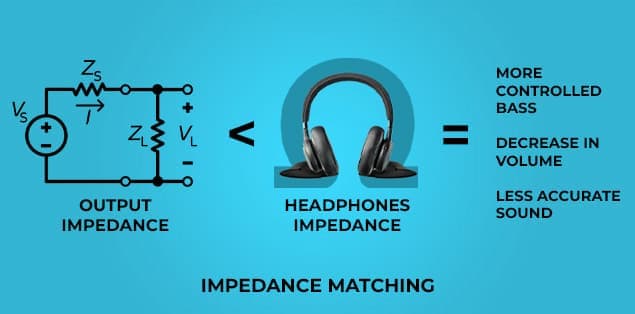
Impedance matching and gain structure
Check the “impedance range” spec. Adjustable gain steps (e.g., 0 dB, +10 dB, +20 dB) let you set the output so the headphones sit comfortably at your preferred listening level without distortion.
Noise floor and distortion (THD+N)
Because high‑impedance drivers are less sensitive, any hiss or distortion is more audible. Target a noise floor below –100 dBV and THD+N under 0.01 % at full output. Solid‑state amps meet this easily; tube amps may run higher but many listeners accept the trade‑off for added warmth.
Connectivity and input options
Modern rigs pull audio from computers, streamers, or TVs. Look for balanced XLR, 3.5 mm, and RCA inputs plus a USB‑type B or USB‑C line‑level input. Optical or coaxial digital inputs are a plus for high‑end desktop setups.
Power supply type (linear vs switching)
Linear supplies (large transformer + caps) deliver ultra‑clean voltage with virtually no switching noise—ideal for a stationary audiophile system. Switching supplies are lighter, more efficient, and often support battery or USB power for portable use.
Form factor and build quality
A heavy aluminum or steel chassis reduces resonance and improves isolation. Verify solid mounting points for connectors and that the amp’s dimensions fit your desk. Portable units should have reinforced metal housings; desktop amps can use thicker panels and detachable knobs for maintenance.
Additional features (DAC, Bluetooth, selector)
If you only need an amp, skip extra DSP and DAC to keep the signal path short. If you prefer a single box, choose a transparent DAC architecture (dual‑mono, jitter‑reduced) and confirm the amp’s output power after the DAC stage remains sufficient.
Our picks
Desktop solid‑state amp for power‑hungry headphones
Ideal for a desk, studio, or dedicated listening room. Look for ≥2 V RMS into 600 Ω, adjustable gain switches, and balanced XLR & RCA inputs. The trade‑off is size and weight, but the low noise floor reveals every nuance of high‑impedance drivers.
Shop this type: Check price on Amazon →
Portable battery‑powered amp for on‑the‑go listening
Perfect for travelers, commuters, and laptop users. Must be USB‑rechargeable, fit within a hand‑palm footprint, and push ≥1.5 V RMS into 300 Ω. Look for a 3.5 mm input and a short, detachable cable. Expect a slightly higher noise floor than a desktop unit, but the freedom to power your headphones anywhere outweighs the minor transparency loss.
Shop this type: Check price on Amazon →
Tube‑driven amp for added warmth and musicality
For listeners who crave a lush, slightly colored sound. Expect 1 V‑2 V RMS and selectable gain stages to compensate for lower output. You’ll need a heater voltage supply (often an external transformer) and occasional tube replacement. The typical THD+N is around 0.03 %, which many describe as organic depth that pairs well with analytical drivers.
Shop this type: Check price on Amazon →
Hybrid amp with built‑in DAC for a single‑box solution
Eliminate extra cables by combining a high‑resolution DAC and a solid‑state headphone amp. Support PCM up to 32‑bit/384 kHz and DSD64, while still delivering ≥2 V RMS into 600 Ω after the DAC stage. Choose a model with separate power rails for DAC and amp to minimize cross‑talk.
Shop this type: Check price on Amazon →
Modular amp platform for future upgrades
For experimenters who want to swap solid‑state modules, tube stages, or upgrade the power supply. These platforms feature a common power bus and plug‑in amp boards, letting you start with a modest solid‑state module and later add a tube board for coloration. Initial cost is higher and some DIY assembly is required, but the long‑term flexibility is unmatched.
Shop this type: Check price on Amazon →
How to choose
- Identify your primary listening environment. Desk‑bound headphones benefit from a desktop solid‑state amp; commuters need a portable USB‑charged unit.
- Match output capability to impedance. A 600 Ω pair requires ≥2 V RMS; a 250 Ω pair can be satisfied with 1.5 V RMS.
- Decide on transparency vs coloration. Tube amps add harmonic richness but require maintenance; solid‑state or hybrid designs provide clinical clarity.
- Future‑proof your investment. If you may upgrade your DAC later, a separate DAC‑amp combo or modular platform is wiser than an all‑in‑one hybrid.
- Prioritize a clean power supply, adjustable gain, and sufficient voltage output. Other features—portability, Bluetooth, aesthetic design—can be fine‑tuned to your budget and lifestyle.
FAQ
What makes a headphone amp “high‑impedance‑ready”?
A high‑impedance‑ready amp delivers enough voltage (typically ≥2 V RMS) and low output impedance to drive 250 Ω, 300 Ω, or 600 Ω headphones without sounding thin. Adjustable gain settings help match the amp’s output to the headphones’ sensitivity.
Can I use a solid‑state amp with a tube amp in series?
Yes. Many audiophiles chain a low‑gain solid‑state pre‑amp into a tube power amp to combine transparency with warmth. Ensure the overall gain chain doesn’t push the tube stage into clipping.
Do I need a balanced input for high‑impedance headphones?
Balanced (XLR) inputs reduce common‑mode noise and improve channel separation, especially in noisy environments. They’re not mandatory, but they provide a cleaner signal when both source and amp support them.
How important is the power supply type?
Linear supplies give the cleanest voltage with virtually no switching noise—ideal for stationary setups. Switching supplies are lighter, more efficient, and enable battery operation, making them better for portable use.
Will a headphone amp improve the sound of low‑impedance headphones?
It can add volume headroom and slightly lower the noise floor, but the impact is less dramatic because low‑impedance headphones already draw sufficient current from most sources.
Are built‑in DACs in hybrid amps as good as dedicated DACs?
High‑end hybrids often use premium DAC chips and separate power rails, rivaling dedicated units. Purists seeking the absolute best conversion may still prefer a standalone audiophile DAC.
Bottom line
Choosing the right amp for high‑impedance headphones boils down to voltage output, noise performance, and fit for your listening environment. Desktop solid‑state amps deliver pristine power for a fixed setup; portable chargers give freedom on the move; tube units inject desirable warmth; hybrids merge DAC convenience with ample gain; and modular platforms let you evolve your system over time. Align the amp’s specs with your headphones’ impedance, decide whether you value transparency or coloration, and consider future upgrades. The right amp will finally let your high‑impedance headphones reveal the depth, detail, and dynamics they were built to showcase.