Best Ankle Support Braces for Downhill Ultra Running
When a 100‑mile ultra throws you into steep, technical descents, ankle swelling, bruising, and fatigue can ruin a strong finish. The right ankle brace cushions impact, stabilizes the joint, and lets you maintain speed without sacrificing comfort. This guide shows the brace styles that perform best on rugged downhills, the features that truly matter at altitude, and which model fits the most common ultra‑runner profiles. By the end you’ll know exactly what to look for, how to match a brace to your training style, and where to click to buy the right gear for your next race.
Quick picks
- High‑compression lace‑up brace – firm support without bulk.
- Hybrid strap‑and‑shell brace – extra lateral stability on rocky terrain.
- Lightweight neoprene sleeve with interchangeable stays – speed‑focused runners who want adjustable support.
- Modular compression‑gel system – chronic soreness sufferers need targeted pressure.
What to look for
3‑D Anatomical Fit
A brace that mirrors the ankle’s natural curvature reduces friction and pressure points. Look for contoured foam padding or an anatomical shape. Size options or adjustable arch inserts are a bonus for high arches or wider tibial lines.
Compression vs. Mobility
Downhill ultras need enough compression to curb swelling while preserving explosive push‑off. Prefer graduated compression (tighter at the foot, looser up the calf) and an upper band that can be loosened on‑the‑fly. Rigid stays that lock the joint can sap energy on long ascents.
Lateral Support Structures
Side‑to‑side motion causes most sprains on uneven terrain. Seek a strap‑and‑shell design, molded stays, or reinforced side panels that lock the joint yet allow a natural forward roll. A “torsion control” label usually means the shell resists twisting forces.
Breathability & Moisture Management
Sweat turns any brace into a blister factory. Moisture‑wicking polyester blends, perforated neoprene, or removable mesh liners keep skin dry. In hot desert races, prioritize ventilated panels or quick‑dry fabric.
Adjustability & Quick‑Release
Technical descents often demand on‑the‑spot tightening. Hook‑and‑loop straps with an easy‑pull tab or a one‑hand quick‑release buckle are ideal. Interchangeable stays—fiberglass or carbon—let you dial in support without stopping.
Durability & Weather Resistance
Ultras expose gear to mud, rain, and snow. A water‑repellent coating or sealed seams extends a brace’s life. Check reviews for “abrasion resistance” if you run on rocky scree.
Why ankle support matters for ultra runners
Repeated high‑impact foot strikes generate shear forces that degrade ligaments and cartilage. A well‑chosen brace distributes these forces, reduces micro‑trauma, and shortens recovery time between training blocks. Over the course of a 100‑mile race, the cumulative benefit can be the difference between a podium finish and a forced DNF.
Our picks
High‑compression lace‑up brace
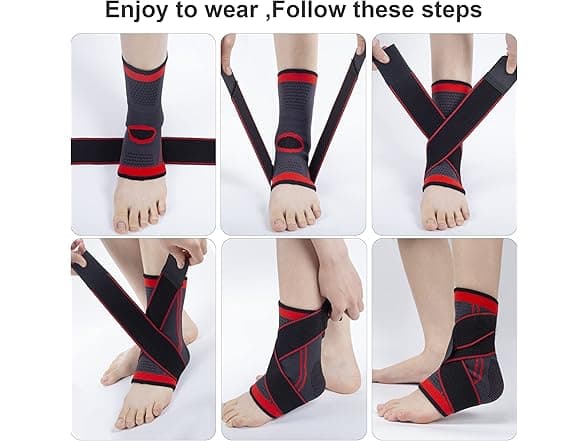
A lace‑up system wraps the lower calf and foot with evenly spaced straps, creating uniform compression. Pressure is distributed across the joint, minimizing swelling after long downhill sections. The laces cross the front of the ankle, keeping the brace snug even on steep declines.
Who it’s for – Competitive ultra runners who want firm, reliable support without added bulk. The low‑profile design won’t snag on rocks and stays secure under thick socks.
Trade‑offs – The first few miles may feel tight, especially for wider feet. There’s a short learning curve to master the optimal lacing pattern.
Shop this type: Check price on Amazon →
Hybrid strap‑and‑shell brace
A flexible neoprene sleeve pairs with a semi‑rigid shell that wraps the lateral and medial sides. Molded stays resist inversion and eversion—movements responsible for most sprains on uneven descents. The strap system lets you tighten the shell independently of the compression sleeve, fine‑tuning lateral support without sacrificing calf circulation.
Who it’s for – Runners who frequently tackle technical sections with loose rocks or root systems. Ideal for those with a history of ankle sprains or who carry a heavy pack.
Trade‑offs – The shell adds weight and can feel bulky under high‑cut trail shoes. Test it with your preferred footwear before race day.
Shop this type: Check price on Amazon →
Light‑weight neoprene sleeve with interchangeable stays
A sleek neoprene sleeve offers a “feel‑like‑nothing” experience, hugging the ankle with just enough compression to keep swelling at bay. Interchangeable stays (fiberglass or carbon) slot into a pocket on the outer cuff. Remove the stays for maximum speed on flats; snap one in for extra torsional stability before a steep descent.
Who it’s for – Ultra athletes who value speed and like to customize support on the move. Perfect for training runs where minimal restriction is desired and race runs where extra lock‑in is needed.
Trade‑offs – Changing stays can be fiddly with gloves, and cheaper models may have stays that pop out under heavy load. Look for a “secure lock‑in mechanism.”
Shop this type: Check price on Amazon →
Modular compression‑gel system
A compression sleeve layers strategically placed gel pockets that target pressure points often overwhelmed during long downhill runs—the lateral malleolus and the Achilles‑calcaneal area. Gel cushions absorb shock and disperse forces, while the modular design lets you add or remove pads based on personal comfort.
Who it’s for – Runners with chronic ankle soreness, mild tendinitis, or anyone who wants extra cushioning on marathon‑length descents. The gel adds a soft “micro‑cushion” that soothes rough, rocky trails.
Trade‑offs – Gel pads retain heat, so on hot days the sleeve may feel warmer than plain neoprene. The added layers make the brace slightly thicker, which can affect the fit of low‑profile shoes.
Shop this type: Check price on Amazon →
How to choose
- Rank your priorities – lateral stability, speed, durability. If slick, loose rocks dominate your route, give lateral support the highest weight and lean toward a hybrid strap‑and‑shell model. If you race fast, high‑altitude descents, the lightweight neoprene sleeve with interchangeable stays hits the sweet spot.
- Consider injury history – a runner with no ankle sprains may be fine with a high‑compression lace‑up, while anyone with prior sprains should prioritize a brace with a rigid shell or external stays.
- Test fit in your trail shoes – Slip the brace on with the exact socks, shoe model, and mid‑sole inserts you’ll use on race day. Walk, jog, and do a few quick hops. If it feels pinching after a short warm‑up, that extra compression could become a pain point after 30+ miles.
- Evaluate secondary features – breathability, quick‑release straps, weather‑proofing. Those details often separate a decent brace from a great one on the ultra‑runner’s trail.
FAQ
What’s the difference between a compression sleeve and a lace‑up brace?
A compression sleeve provides uniform pressure and is pull‑on style, while a lace‑up brace uses multiple straps that you tighten, delivering targeted compression and a tighter fit.
Can I wear an ankle brace with low‑cut trail shoes?
Yes, as long as the brace’s outer profile is slim enough to clear the shoe’s collar. Hybrid strap‑and‑shell designs tend to be bulkier, so try them with your exact shoes before committing.
How often should I replace my ankle brace?
Most braces maintain structural integrity for 12–18 months of regular use. Replace them when straps stretch, stays crack, or fabric thins, especially after exposure to mud and salt.
Will an ankle brace prevent all sprains on technical terrain?
No brace guarantees 100 % protection, but a well‑chosen brace dramatically reduces the risk of inversion injuries by limiting excessive side‑to‑side motion.
Is there a “best” material for ankle braces in hot climates?
Moisture‑wicking polyester blends and perforated neoprene are the most breathable options. They pull sweat away from the skin and dry faster than solid foam or leather.