What Makes a Headphone Amp Tube vs Solid‑State?
If your headphones sound lifeless on your current amp, you’re probably facing a mismatch of power, impedance, or tonal character. Deciding between a tube amp’s warm glow and a solid‑state amp’s clinical precision will determine whether your music gains depth or clarity. This guide explains the core technical differences, highlights the specs that truly matter, and gives concrete recommendations so you can match an amp to your headphones, listening style, and budget.
Quick picks
- Tube “musicality” amp – Warm, slightly rounded soundstage with subtle harmonic richness.
- Hybrid amp (tube pre‑stage + solid‑state power) – Tube warmth with tight bass control.
- Pure solid‑state amp – Accurate, ultra‑low distortion, fast transients.
- Portable solid‑state amp – Battery‑friendly, rugged, ready for travel.
- High‑power solid‑state amp – Drives low‑impedance, low‑sensitivity headphones for gaming or monitoring.
What to look for
1. Output Power & Impedance Matching
Amp power is expressed in milliwatts (mW) or volts (V). Low‑impedance headphones (≤32 Ω) need modest voltage but high current; high‑impedance models (80 Ω‑600 Ω) demand more voltage. Tube amps usually excel at high‑voltage output, making them a natural fit for high‑impedance, sensitive headphones. Solid‑state amps provide higher current, ideal for low‑impedance, heavy‑drive headphones. Choose a rating that meets or exceeds the headphone manufacturer’s recommendation.
2. Harmonic Distortion & Warmth
Tubes generate even‑order harmonic distortion (2nd, 4th) that listeners describe as “warm” or “rich.” Solid‑state circuits—especially those built with premium op‑amps or class‑D designs—produce far lower total harmonic distortion (THD), yielding a cleaner, more analytical sound. If you prefer a subtly colored presentation, a tube amp may suit you; for neutral reference, aim for THD < 0.01 %.
3. Bandwidth & Transient Response
Both designs can cover 20 Hz‑20 kHz, but tube amps often roll off gently at the extremes, softening harshness while reducing punch. Solid‑state amps usually stay flat to 30 kHz or higher, offering tighter bass transients and quicker response. Look for a ±1 dB response from 20 Hz to 20 kHz as a baseline.
4. Noise Floor & Power Supply
Tube amps need high voltages (200‑300 V) and run hot, making them prone to hum if the supply is poor. Specs like “RMS noise < -110 dBV” or a fully filtered linear supply indicate good design. Solid‑state amps, especially class‑D, can use low‑noise switching supplies, but cheap units may introduce high‑frequency noise. A well‑regulated supply is essential for any audiophile‑grade amp.
5. Maintenance, Warm‑Up Time, Longevity
Tube amps require a warm‑up period (30 s‑few min) and tube replacement every 1 000‑2 000 h. Solid‑state amps are instant‑on with no consumables. Decide whether periodic tube swaps and bias adjustments excite you or feel like a chore.
6. Form Factor & Power Consumption
Tube amps are bulkier due to transformers and heat‑sinks, and they need a mains outlet. Solid‑state units can be compact, battery‑powered, or USB‑bus powered, fitting desktop shelves or travel bags.
7. Price & Value Curve
Tubes and their supporting circuitry raise price points. Solid‑state amps benefit from mass‑produced semiconductors, offering a broader price range—from budget to flagship. Match your budget to the tonal character you value.
Our picks
1. Desktop tube amp for full‑range audiophile rigs
A desktop tube amp typically houses one or two power tubes (6N2P, EL84, 6V6) and a dedicated transformer. It delivers a mids‑centric, “musical” soundstage that shines with high‑impedance planar‑magnetic or electro‑static headphones.
Who it suits: Listeners who value tonal coloration, have a dedicated listening room, and enjoy tube swapping.
Trade‑offs: Larger footprint, higher power draw, periodic tube replacement.
Shop this type: Check price on Amazon →
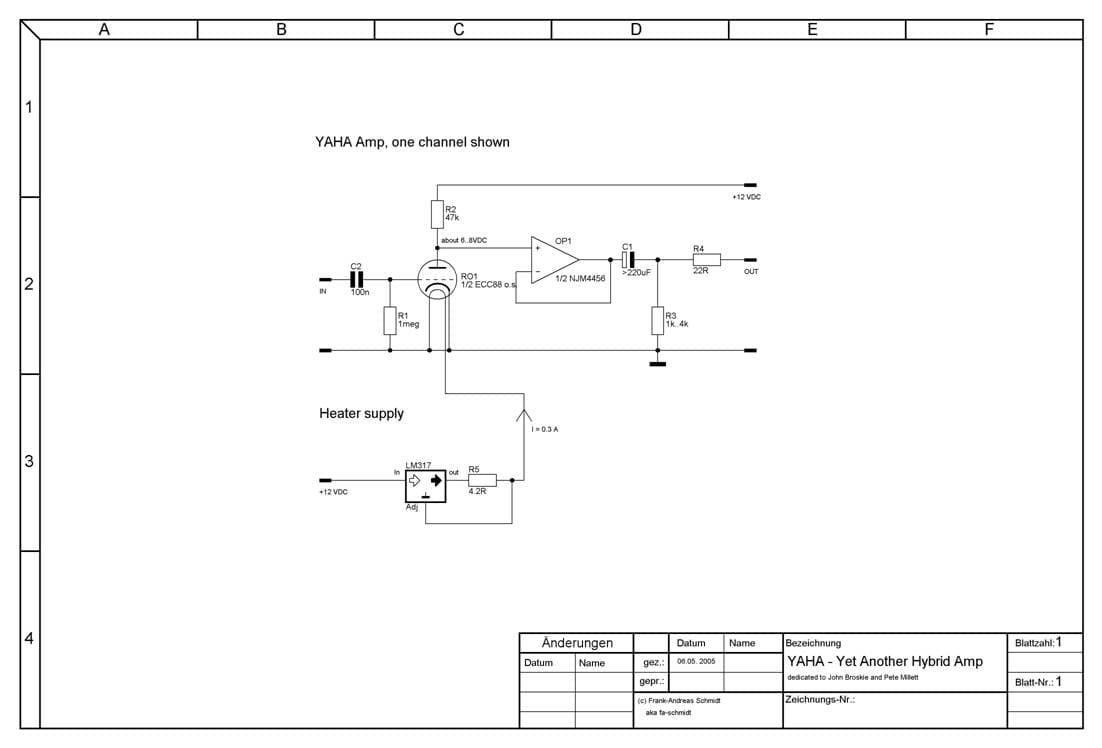
2. Hybrid amp (tube pre‑stage + solid‑state power)
Hybrid designs place a small tube in the input stage for even‑order warmth, then hand the signal to a solid‑state power stage for tight bass and high current. Many include a “tube mode” switch to toggle the characteristic.
Who it suits: Those who want a hint of tube glow for music but a clean, energetic response for games or movies.
Trade‑offs: Slightly higher price than pure solid‑state, plus a small tube to maintain.
Shop this type: Check price on Amazon →
3. Pure solid‑state amp for entry‑level headphones
A straightforward solid‑state amp uses premium op‑amps or a class‑AB output stage, offering ultra‑low distortion and a flat frequency response. Budget models often feature fine‑step volume control and a selectable gain switch.
Who it suits: New audiophiles, gamers, or anyone seeking a clean boost without tube upkeep.
Trade‑offs: Lacks the “warmth” some listeners crave; may feel clinical for certain genres.
Shop this type: Check price on Amazon →
4. Portable solid‑state amp for on‑the‑go listening
Compact amps powered by USB‑C or AA/AAA batteries often include a built‑in DAC. Despite their size, they drive most portable headphones (32‑250 Ω) while keeping a low noise floor. Features like detachable cables, rugged chassis, and auto‑mute make them ideal for travel.
Who it suits: Musicians, podcasters, and commuters who need high‑quality sound without bulk.
Trade‑offs: Limited power headroom for very low‑impedance, high‑sensitivity headphones; no tube character.
Shop this type: Check price on Amazon →
5. High‑power solid‑state amp for low‑impedance gaming headphones
Designed for demanding headphones below 32 Ω, these amps deliver > 500 mW into 32 Ω and feature ultra‑fast slew rates. They keep bass tight and preserve rapid game audio. Common extras include a “boom” switch, digital low‑latency filters, and multiple inputs (USB, optical, Bluetooth).
Who it suits: Gamers, e‑sports athletes, and video editors who need punchy sound with minimal latency.
Trade‑offs: Emphasis on power can yield a slightly analytical tone; may be overkill for casual listening.
Shop this type: Check price on Amazon →
How to choose
- Match output to headphone impedance and sensitivity. High‑impedance planar‑magnetic sets thrive with a tube amp’s voltage swing; low‑impedance gaming headsets need the current a solid‑state amp provides.
- Decide on tonal coloration. Want a “musical” midrange? Choose tube or hybrid. Prefer analytical fidelity for mixing or competitive gaming? Lean solid‑state.
- Consider maintenance and lifestyle. Tubes require warm‑up time and occasional swaps; solid‑state units are plug‑and‑play, many even battery‑operated.
- Set a budget. Tube amps start higher due to tubes and transformers; solid‑state offers entry‑level options that let you evaluate headphones before upgrading.
- Account for space and power. Desktop tube amps need a dedicated outlet and generate heat; compact solid‑state amps fit on a bookshelf or in a backpack.
Follow these decision points, and you’ll land on an amp that enhances your headphones without compromise.
FAQ
What exactly makes a tube amplifier sound “warm”?
Tubes generate even‑order harmonic distortion (mainly the 2nd harmonic), adding a subtle, pleasing coloration that listeners describe as warmth or musicality.
Do tube amplifiers need a special power source?
Yes. Most tube headphone amps require a high‑voltage DC supply (200‑300 V) generated by an internal transformer. Quality units include regulation and filtering to keep hum low.
Can I use a tube amp with low‑impedance headphones?
You can, but tubes excel at delivering voltage rather than current. Low‑impedance headphones that demand high current may not reach their full potential unless the amp’s output stage is robust or hybrid.
How often do I need to replace tubes?
A typical lifespan is 1 000–2 000 hours. Symptoms of aging include loss of brightness, increased noise, or a noticeable change in warmth.
Are solid‑state amps always more accurate than tube amps?
“Accuracy” depends on definition. Solid‑state amps usually have lower THD and flatter response, which many label as accurate. Tubes intentionally add harmonic coloration, which can be more musical but less faithful to the original signal.
Do portable solid‑state amps have DACs built in?
Many modern portable amps integrate a USB‑audio DAC, offering a single‑cable solution for computers or smartphones. Check the specs for supported sampling rates and bit depth.
Will a tube amp boost my low bass frequencies?
Tubes often provide a gentle low‑frequency roll‑off that makes bass feel smoother rather than boosted. Pure solid‑state amps usually deliver tighter, more defined bass.
Bottom line
Tube and solid‑state headphone amps differ in how they handle voltage, current, and harmonic distortion. Tubes give voltage‑rich, warm‑colored sound that excels with high‑impedance headphones but require warm‑up time, tube swaps, and larger enclosures. Solid‑state amps offer clean, ultra‑low distortion, fast transients, and instant readiness—perfect for low‑impedance headphones, gaming, or on‑the‑go use. By matching power characteristics to your headphones, deciding how much coloration you enjoy, and weighing maintenance versus convenience, you can choose an amplifier that truly elevates your listening experience.