Glass vs Plastic Food Storage Containers Comparison – Which Wins for a Lifetime Kitchen?
When you’re trying to stop throwing away cracked or stained containers every few months, the choice between glass and plastic becomes critical. You need a system that survives batch‑cooking, fridge‑to‑freezer swaps, and daily transport without adding waste. This guide strips away the hype, shows the features that matter, and presents three proven container types you can buy once and use for years.
Quick picks
- Heavy‑duty glass sets with airtight, lock‑down lids – Ideal for batch cooking, reheating, and pantry storage where durability and a non‑porous surface matter.
- BPA‑free, stackable plastic containers with snap‑fit silicone seals – Perfect for tight‑space refrigerators, on‑the‑go lunches, and freezer‑safe meals.
- Hybrid glass jars with silicone squeeze lids – Great for dry goods, salad dressings, and items that need a flexible seal without the weight of full‑size glass.
What to look for
1. Material durability and breakage risk
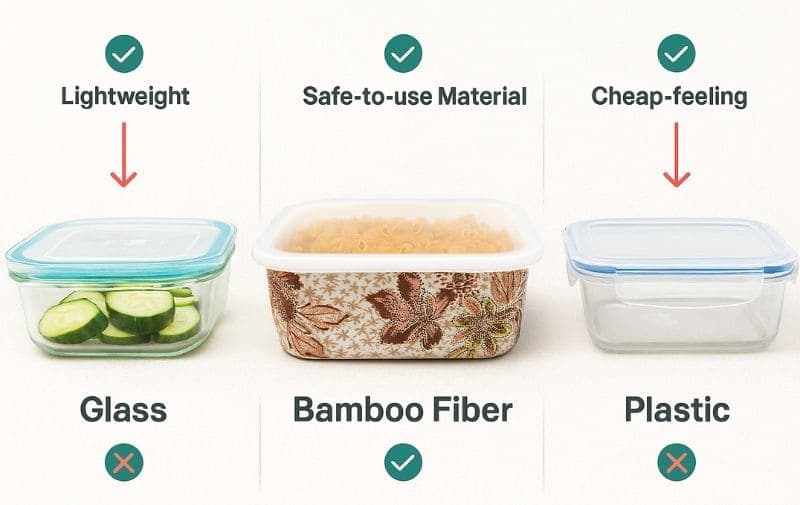
Glass containers come in tempered soda‑lime or borosilicate. Tempered glass tolerates sudden temperature changes; borosilicate resists thermal shock almost entirely. Look for “tempered” or “borosilicate” if you plan to move containers between oven, microwave, and freezer. Plastic sets rely on BPA‑free polymers—usually polypropylene or Tritan. Verify a “impact‑resistant” claim if you need a drop‑proof option for backpacks or kids' lunches.
2. Seal quality and airtightness
An airtight seal keeps lettuce crisp and leftovers fresh. Glass lids with double‑locking silicone gaskets create a vacuum‑like barrier that can preserve food for weeks. Plastic lids use a snap‑fit mechanism; seek “silicone ring” or “locking latch” wording. A quick test: press the lid onto a glass drinking cup; if it stays without sliding, the seal is strong enough.
3. Microwave, oven, and freezer compatibility
If you reheat directly in the container, the material must be microwave safe and withstand oven heat without warping. Glass typically tolerates up to 425 °F; plastic should be labeled “microwave‑safe up to 212 °F” and “freezer‑safe.” Some hybrids pair a glass body with a silicone lid that stays on the counter while the jar goes into the oven.
4. Odor and stain resistance
Plastic can absorb garlic, curry, or tomato sauce, leaving lingering smells and discoloration. Choose containers marketed as “odor‑resistant” or made from high‑grade Tritan. Glass is inherently non‑porous, so it never retains odors or colors.
5. Environmental impact and end‑of‑life options
Glass is 100 % recyclable and can be reborn endlessly without quality loss. Plastic recycling depends on local programs and usually degrades after a few cycles. Prioritize containers made from recycled glass or post‑consumer‑recycled Tritan, and verify the recycling symbols (#1 PET, #5 PP, etc.). Even broken glass can become a planting pot or candle holder.
6. Cost, replaceability, and long‑term value
Glass sets have higher upfront costs but often outlast a kitchen remodel, translating to lower lifetime expense. Plastic sets start cheaper yet may need replacement after 5‑7 years of heavy use. Factor in the price of additional lids, replacement parts, or specialized cleaning tools when comparing total cost of ownership.
Our picks
1. Heavy‑duty glass sets with lock‑down silicone lids
Ideal for weekend batch cooks who bake soups, stews, or casseroles directly in the container. Tempered borosilicate jars survive 425 °F ovens, then slide straight into the fridge or freezer. The double‑locking silicone gasket creates an airtight environment that keeps food fresh for up to two weeks without plastic film. Glass never stains, so tomato sauce leaves no residue.
Trade‑off: weight makes them unsuitable for long‑distance lunches, but their durability means you replace them far less often.
Shop this type: Check price on Amazon →
2. BPA‑free, stackable plastic containers with snap‑fit silicone seals
Perfect for cramped refrigerator shelves, apartment kitchens, or packed lunches. Modern Tritan‑based containers are crystal clear, dishwasher safe, and built to survive a countertop drop. The silicone rim clicks into place, delivering an airtight seal for dry goods and a leak‑proof barrier for liquids when tilted gently. Most sets are freezer‑safe to ‑20 °F, allowing you to prep meals ahead and thaw directly in the microwave.
Downside: over many years, micro‑scratches can harbor odors. Rotate the oldest containers to the front of the stack and replace only when smells persist.
Shop this type: Check price on Amazon →
3. Hybrid glass jars with silicone squeeze lids
A versatile middle ground: a glass body for non‑porous storage combined with a flexible silicone squeeze lid. Great for pantry staples—rice, beans, nuts, and homemade dressings. The silicone creates a near‑vacuum seal, extending shelf life while allowing you to dispense dry goods without removing the lid.
Limitation: not suited for long‑term liquid storage or high‑heat cooking, but excellent for countertop organization and quick‑grab items.
Shop this type: Check price on Amazon →
How to choose
- Map your primary use case.
- Frequent oven or freezer use? → Choose glass with lock‑down lids.
- Limited space and need for portable meals? → Opt for stackable BPA‑free plastic.
- Mostly dry pantry items? → Hybrid glass‑silicone jars fit best.
- Align with sustainability goals.
- Glass offers endless recyclability and zero odor retention.
- High‑grade Tritan plastic can be recycled in many municipalities and has a lighter shipping footprint.
- Consider lifespan versus budget.
- A tempered glass set can literally outlive a kitchen remodel.
- A sturdy plastic set may need replacement after 5‑7 years of heavy use.
- Check compatibility ratings.
- Look for explicit “microwave‑safe,” “oven‑safe up to ___°F,” and “freezer‑safe” labels.
- Verify the lid’s sealing mechanism (silicone gasket vs. snap‑fit).
- Test before committing.
- Fill a sample container with hot water, seal, and shake. No leaks? Good seal.
- Place it in the freezer for 24 h; check for cracks.
Match the material that excels in your top priority, and you’ll build a storage system that truly lasts.
FAQ
How long do glass food storage containers last?
When made from tempered or borosilicate glass and handled with care, they can last decades—often outliving the kitchen itself. Minor chips may appear, but the containers remain functional and fully recyclable.
Are plastic containers safe for microwaving?
Only containers explicitly labeled “microwave‑safe” should be used. Modern BPA‑free Tritan or polypropylene containers handle typical reheating temperatures (up to 212 °F) without leaching chemicals.
Can I freeze food in glass containers?
Yes, provided the glass is tempered or borosilicate and the lid is rated freezer‑safe. Leave about ½ inch headspace to allow liquids to expand and avoid cracking.
Do silicone lids create a true vacuum seal?
Silicone gaskets can achieve a near‑vacuum seal when pressed firmly, especially on glass jars. While not as airtight as dedicated vacuum‑seal systems, they keep most foods fresh for weeks.
Which option is more eco‑friendly, glass or plastic?
Glass is generally more sustainable because it’s 100 % recyclable without quality loss. High‑grade, recyclable plastics (like #1 PET or #5 PP) can also be a greener pick if you recycle them properly.
Will plastic containers retain odors from strong foods?
Lower‑grade plastics may absorb odors, but BPA‑free Tritan and polypropylene are designed to be non‑porous, reducing lingering smells. A deep soak in diluted vinegar can help if odors develop.
Is it okay to use the same container for both hot and cold foods?
For glass, yes—tempered and borosilicate pieces handle hot‑to‑cold transitions. For plastic, only containers rated for both microwave and freezer use should be switched between temperature extremes.
Bottom line
Glass containers win on durability, odor resistance, and oven‑to‑freezer versatility, making them perfect for batch cooking and long‑term storage. BPA‑free, stackable plastic containers excel in lightweight portability and space‑saving design, ideal for on‑the‑go meals and crowded refrigerators. Hybrid glass‑silicone jars strike a balance, offering non‑porous glass with a flexible lid for pantry staples. Identify your main storage need, weigh weight against heat tolerance, and pick the material that aligns with your cooking habits and sustainability goals—your kitchen will thank you for years to come.
%3Amax_bytes(150000)%3Astrip_icc()%2Ffaw-plastic-cutting-boards-test-gorilla-grip-sarah-felbin-3_crop-6b78f46f1d8b471cb2f9b47ec8ab5fa4.jpeg&w=3840&q=75)