How to Choose Long‑Lasting Kitchen Knives
You’ve probably spent a lot of money on a knife set that dulled after a few months, forcing you to replace blades that should have lasted a decade. The problem isn’t the price tag; it’s choosing the wrong steel, construction, or handle for your cooking style. This guide pinpoints the specifications that keep a knife sharp, balanced, and rust‑free, then matches those specs to the most useful knives for everyday home cooking.
Quick picks
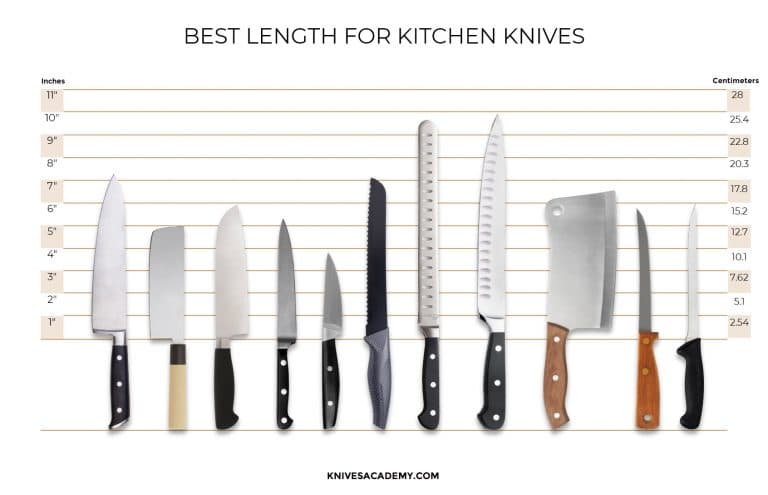
- All‑purpose 8‑inch chef’s knife – the workhorse for chopping, mincing, and slicing most ingredients.
- 3‑inch paring knife – a small, agile blade for peeling, trimming, and detailed work.
- 7‑inch santoku/utility knife – a mid‑size, versatile option for slicing vegetables and boneless meats.
- Serrated bread/tomato knife – a saw‑toothed blade that cuts through crusts and soft interiors without crushing.
- 12‑inch carving or boning knife – a specialized blade for roasts, poultry, or fish fillets.
What to look for
1. Blade steel – carbon content and corrosion resistance
High‑carbon stainless steel (0.6‑0.8 % carbon, 12‑14 % chromium) delivers the edge‑retention of carbon steel while resisting rust. Look for grades such as VG‑10, X50CrMoV15, or any “high‑carbon stainless” label. Pure carbon blades stay sharper longer but demand regular hand‑washing and oiling to prevent staining.
2. Full‑tang construction
A full‑tang runs the metal the entire length of the handle, often reinforced with a bolster. This design spreads stress evenly, eliminates wobble, and dramatically reduces the chance of breakage under heavy use. Avoid partial‑tang or stamped blades if durability is your priority.
3. Handle material and ergonomics
Hand comfort matters; you’ll hold the knife for minutes at a time. Hardwoods (pakkawood, rosewood) and laminated micarta offer durability and moisture resistance. Synthetic polymers like Fibrox provide slip resistance and are dishwasher‑safe, though they won’t develop a patina. The grip should feel balanced with no dead weight in the handle or blade.
4. Bolster and spine thickness
A bolster adds balance and protects your fingers during a rock‑chop. Full‑bolster knives feel sturdier; a partial bolster saves weight for quicker wrist movements. Aim for a spine thickness of about 2–3 mm on chef’s knives to withstand lateral stress without flexing.
5. Edge geometry and sharpening method
Western chef’s knives typically use a 20‑degree per side bevel, offering a robust edge that holds under heavy chopping. Japanese‑style knives often feature a 15‑degree bevel for finer slicing but require more frequent honing. Choose a geometry that matches your preferred sharpening tool—hand whetstone, pull‑through sharpener, or electric grinder.
6. Weight and balance for your hand size
Heavier knives feel solid for dense vegetables and meat but can tire smaller hands. Lighter knives excel at precision tasks like herb mincing. The ideal balance point sits just behind the bolster for most cooks, but personal comfort is the final arbiter.
7. Maintenance and storage
Regular honing extends the lifespan of any blade. High‑carbon stainless steel needs less frequent sharpening than pure carbon steel, but both benefit from a rubber or wooden honing steel every few uses. Store knives on a magnetic strip or in a dedicated slot block to avoid blade‑to‑blade contact that dulls edges.
8. Warranty and after‑sales service
A lifetime warranty or free sharpening service signals confidence in durability. While not a performance metric, a solid warranty protects your investment and often indicates higher‑quality manufacturing.
Our picks
Classic 8‑inch Chef’s Knife – the versatile workhorse
Full‑tang, high‑carbon stainless blade with excellent edge retention, paired with a pakkawood handle that stays secure when wet. The 8‑inch length balances heft for power cuts with agility for finer tasks.
Who it suits: Home cooks who prepare a variety of meals daily and want one reliable blade to replace a bulky block.
Trade‑offs: The heavier handle may fatigue smaller wrists during prolonged mincing; consider a lighter composite handle if that’s a concern.
Shop this type: Check price on Amazon →
Compact 3‑inch Paring Knife – precision in the palm of your hand
Full‑tang, high‑carbon stainless blade with a slim micarta or synthetic handle for slip resistance. The short length gives you finger‑level control for peeling apples, deveining shrimp, or decorative garnishes.
Who it suits: Cooks who do a lot of prep work that demands accuracy, especially those with smaller hands.
Trade‑offs: The blade can chip if used for tougher tasks like cutting cartilage. Keep it strictly for precision work.
Shop this type: Check price on Amazon →
Mid‑size 7‑inch Santoku / Utility Knife – a Japanese‑inspired alternative
Full‑tang, high‑carbon stainless blade with a 15‑degree bevel and a slightly curved edge. The contoured Fibrox handle offers a secure grip for fast chopping.
Who it suits: Cooks who prefer a straight‑down chopping motion and frequently slice fish or delicate vegetables.
Trade‑offs: The thinner bevel may require more frequent honing compared with a classic chef’s knife.
Shop this type: Check price on Amazon →
Heavy‑Duty 12‑inch Carving Knife – for roasts, turkey, and large proteins
Full‑tang, high‑carbon stainless blade with a sturdy bolster and a weight‑balanced handle. The 12‑inch length provides reach for smooth, even slices, while a thick spine (≈3 mm) adds rigidity for tough muscle fibers.
Who it suits: Home chefs who regularly host dinner parties or love to roast whole meats.
Trade‑offs: The larger size and weight make it less practical for everyday chopping; store it separately from your daily‑use block.
Shop this type: Check price on Amazon →
How to choose
- Match tasks to knives – Identify the cuts you perform most. If you rarely roast a turkey, skip the large carving blade and invest in a premium chef’s and paring knife.
- Evaluate the three durability pillars – Steel composition, full‑tang construction, and handle resilience. Feel the balance in person or study user‑review videos; a well‑balanced knife hovers at the junction of blade and handle.
- Consider maintenance preferences – If you dread regular honing, opt for a higher‑carbon stainless with a 20‑degree bevel. If you enjoy a razor‑thin edge and are comfortable with whetstones, a Japanese‑style 15‑degree blade will reward you.
- Check warranty and service – A lifetime warranty often signals robust construction and brand confidence.
By aligning your cooking style, hand size, and willingness to maintain the edge, you can assemble a core set that truly lasts a lifetime.
FAQ
What steel should I look for in a long‑lasting kitchen knife? Aim for high‑carbon stainless steel (0.6‑0.8 % carbon, 12‑14 % chromium). It balances edge retention with rust resistance. Pure carbon steel stays sharper longer but needs diligent hand‑washing and oiling.
Is a full‑tang knife really worth the extra cost? Yes. Full‑tang knives distribute force along the entire handle, reducing breakage risk and improving balance. The modest material cost pays off in durability.
How often should I sharpen my knives? A daily‑use high‑carbon stainless chef’s knife typically needs honing every few weeks and a full sharpening once or twice a year. Japanese‑style blades may require more frequent touch‑ups.
Can I wash my knives in the dishwasher? Avoid the dishwasher, especially for high‑carbon or wooden‑handle knives. Heat and detergents dull edges and can damage handles. Hand‑wash with mild soap, rinse, and dry immediately.
What’s the difference between a chef’s knife and a santoku? A chef’s knife has a curved edge that encourages a rocking motion; a santoku’s flatter edge favors a straight‑down push cut. Santokus often feature a thinner bevel for finer slicing.
Should I buy a knife block or a magnetic strip? A magnetic strip keeps blades accessible and prevents the dulling pressure that can occur in a cramped block. Blocks are convenient for families that prefer a single storage unit, but a strip better preserves edge integrity.
Bottom line
Choosing long‑lasting kitchen knives isn’t about brand hype; it’s about steel quality, full‑tang construction, balanced handles, and reliable warranty support. Start with an 8‑inch chef’s knife, a 3‑inch paring, and a versatile santoku or utility to cover most tasks, then add a carving knife for occasional roasts. With the right specs and a bit of care, those knives will stay sharp—and useful—for decades.