Top Lifetime Kitchen Mat for Standing Comfort
If your knees ache after 30 minutes of chopping, your kitchen floor is probably the culprit. A good mat can turn painful, marathon cooking sessions into a painless, productive experience while lasting ten years or more without flattening, cracking, or slipping. This guide breaks down the critical features, walks you through the main style categories, and points you to the type of mat that truly delivers buy‑it‑for‑life value. Whether your kitchen is a tight galley, a spacious farmhouse, or a commercial‑grade workspace, you’ll find a durable, ergonomic solution that fits your floor, workflow, and eco‑conscious goals.
Quick picks
- Heavy‑duty high‑density foam anti‑fatigue mat – maximum cushioning on hard tile or linoleum.
- Low‑profile rubber/thermoplastic (TPR) mat – thin enough to slide under appliances yet slip‑resistant.
- Cork‑blend or natural fiber mat – firm support with a sustainable, antimicrobial surface.
- Modular interlocking tiles – customizable shape, easy replacement of worn sections.
- Eco‑friendly hemp or jute mat – biodegradable with a firm, stable feel for light‑duty tasks.
What to look for
1. Material density and compression resistance
A mat’s ability to retain shape under continuous weight is the heart of longevity. High‑density PVC, closed‑cell foam, or compressed cork with a density of at least 0.4 g/cc will resist bottoming out after years of chef‑level foot traffic. Press down with your heel; the material should rebound within a second, not stay indented.
2. Slip resistance and floor compatibility
Safety is non‑negotiable. Look for a textured underside—ridges, molded dimples, or a rubberized backing—that adheres to common kitchen substrates such as ceramic tile, sealed wood, or vinyl. For polished surfaces, a mat with an additional suction‑cup strip or a non‑marking rubber base provides extra grip without damaging the finish.
3. Thickness and ergonomic profile
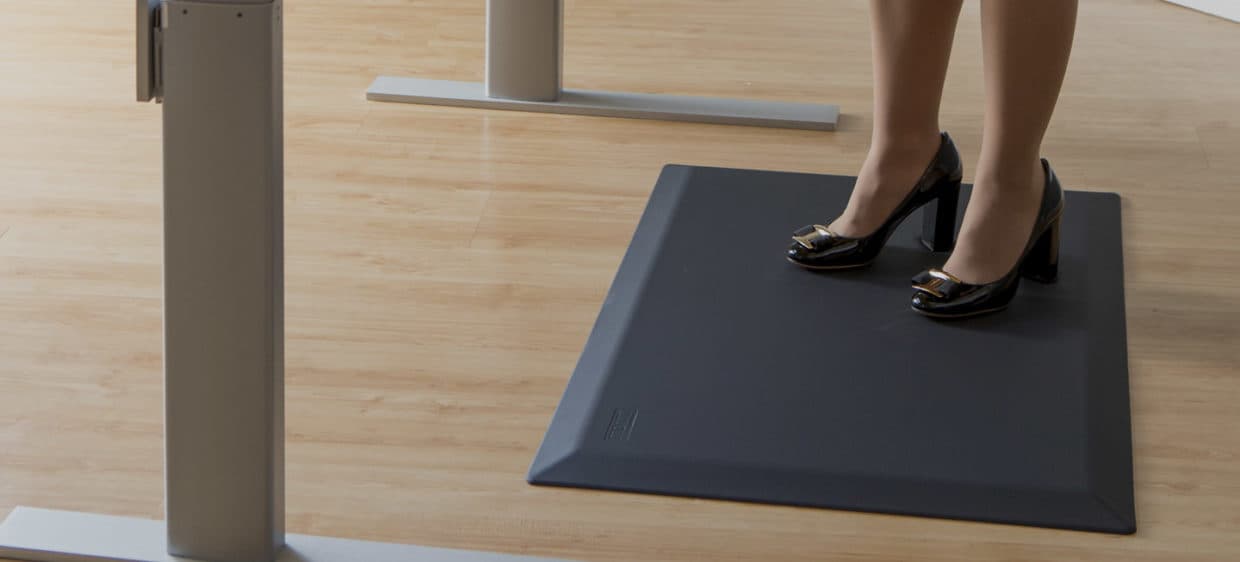
Comfort comes from balanced thickness. 3 mm to 6 mm is the sweet spot for most home kitchens: thin enough to keep appliances stable, thick enough to reduce pressure on the ball of the foot and promote subtle movement that improves circulation. Some anti‑fatigue mats employ a dual‑layer design—a softer top layer over a firmer base—to deliver plush support while maintaining stability.
4. Edge finish and durability
Peeling or fraying edges are a common failure point. Mats with sealed or beveled edges (often heat‑welded or double‑stitched) stay intact when rolled, folded, or cut to size. Reinforced borders prevent premature tearing where the mat meets a countertop or cabinet.
5. Maintenance and cleaning
Kitchen mats must tolerate spills, splatters, and occasional grease burns. Ideal candidates are water‑resistant, stain‑repellent, and easy to wipe down. Materials such as epoxy‑coated foam, medical‑grade silicone, or sealed cork can be cleaned with a mild detergent and a damp cloth; they won’t absorb liquids or develop mildew. If you prefer a machine‑washable solution, look for a removable cover that meets the same durability standards as the core mat.
6. Eco‑friendliness and off‑gassing
Many budget mats contain phthalates or volatile organic compounds (VOCs) that linger in kitchen air. Opt for low‑VOC, recyclable, or naturally sourced materials—for example, cork harvested from renewable forests or hemp fibers bound with water‑based adhesives. These options reduce environmental impact and tend to stay odor‑free over the product’s lifespan.
7. Warranty and brand reputation
A lifetime‑or‑10‑year warranty signals confidence in durability. Check whether the manufacturer offers full‑replacement guarantees for defects like delamination, compression set, or edge fraying. Brands that serve hospitality or industrial markets often back their mats with robust warranty programs, reflecting real‑world testing.
Our picks
Heavy‑duty high‑density foam anti‑fatigue mat
If you spend most of your day standing on tile or linoleum, a thick, high‑density foam pad is the gold standard for comfort. These mats usually feature a dual‑layer construction: a soft, contoured top that eases pressure on the ball of the foot, and a firmer base that distributes weight evenly. Closed‑cell foam resists water absorption and handles oil splatters without staining. Look for a sealed beveled edge to keep the material from peeling when you trim it to fit under appliances. Many commercial‑grade foam mats carry a 15‑year warranty, reflecting resilience to compression set.
Shop this type: Check price on Amazon →
Low‑profile rubber/TPR (thermoplastic rubber) mat
For kitchens where space is at a premium—and you need a mat that slides easily under a stand mixer or pull‑out drawer—a low‑profile rubber or TPR mat delivers slip resistance in a sleek package. These mats are typically 3 mm to 4 mm thick and feature a textured, non‑marking underside that adheres securely to ceramic, wood, or vinyl floors.
Rubber/TPR surfaces stay cool to the touch, advantageous during hot months or in a warm cooking environment. They are oil‑ and grease‑resistant, making cleanup a breeze with a quick wipe. While they don’t provide the “soft” cushioning of foam, their firm support is ideal for chefs who prefer a stable foot platform that encourages subtle shifting—helpful for posture.
Shop this type: Check price on Amazon →
Cork‑blend natural fiber mat
Cork blends combine the firm, supportive feel of compressed cork with the durability of a synthetic binder. The resulting mat is medium‑density (around 0.3 g/cc), offering a pleasant “spring‑back” that cushions without feeling squishy. Because cork is naturally antimicrobial and resistant to mold, it stays fresh even after frequent exposure to water or food spillage.
Cork‑blend mats often arrive in recyclable or biodegradable packaging, appealing to environmentally conscious households. Their edges are usually heat‑sealed, preventing fraying when trimmed. While cork can be slightly softer on very hard floors, it provides a stable base that encourages proper foot alignment, making it a solid middle‑ground between foam comfort and rubber firmness.
Shop this type: Check price on Amazon →
Modular interlocking tiles (optional)
For those who love flexibility, interlocking tiles let you custom‑size a mat to fit any kitchen shape—under a prep island, around a sink, or even as a full‑floor runner. Most modular systems use high‑density EVA foam or recycled rubber with a snap‑fit design, so individual tiles can be replaced if they become worn or stained.
The tiles are thin (typically 2‑3 mm), sit flush with the floor, and won’t interfere with appliance stability. Their textured underside grips a variety of flooring types, and the raised beveled edges prevent tripping hazards. This solution is especially handy for renters or chefs who frequently reconfigure their workstations.
Shop this type: Check price on Amazon →
How to choose
- Match thickness to floor type and appliance layout. On smooth tile, a 4‑6 mm foam pad provides cushion without rocking appliances; a 3‑mm rubber mat works well on wood floors where a low profile prevents slipping.
- Assess foot‑traffic level. Home cooks who dish out a few meals a week may be satisfied with a mid‑density cork blend, while a catering‑business kitchen benefits from heavy‑duty foam with a long warranty.
- Consider maintenance. A spill‑prone area near the sink needs a water‑resistant, wipe‑clean surface. If you prefer a natural aesthetic and can tolerate spot cleaning, cork or hemp mats fit the bill.
- Test floor compatibility. Rub a small piece of the underside against your flooring—rubber and TPR may leave a faint imprint on soft wood, while foam generally slides without marking.
- Weigh eco‑credentials against cost. Materials like cork, hemp, and recycled rubber often carry a higher price tag but deliver longevity, low VOC emissions, and a smaller carbon footprint.
Align your priorities—comfort, durability, safety, and sustainability—and you’ll select a mat that truly feels like a lifetime investment.
FAQ
How thick should a kitchen anti‑fatigue mat be?
For most residential kitchens, 3 mm to 6 mm offers a comfortable balance: thick enough to reduce pressure on your feet and joints, yet thin enough to keep appliances stable and prevent tripping.
Will a rubber mat damage my hardwood floor?
High‑quality rubber or TPR mats have a non‑marking, textured underside that protects hardwood from scratches. For extra peace of mind, place a thin protective film or felt pad beneath the mat.
Can I use the same mat in the bathroom?
Yes—if the mat is water‑resistant and has a slip‑resistant backing, it can double as a bathroom rug. Just ensure it’s rated for constant moisture exposure to avoid mold.
Are cork kitchen mats truly odor‑free?
Cork is a low‑VOC, natural material that does not emit strong chemicals. It may absorb faint kitchen aromas over time, but this is usually negligible and can be mitigated with occasional light cleaning.
How often should I replace my kitchen mat?
A well‑chosen, high‑density mat with a solid warranty can last 10‑15 years. Replace it when you notice permanent indentations, edge fraying, or a loss of slip resistance.
Do anti‑fatigue mats help with back pain?
By encouraging subtle foot movement and reducing standing pressure, they promote better posture and circulation, which can lessen lower‑back strain for many users.
Bottom line
Choosing a lifetime kitchen mat is less about brand hype and more about matching material density, slip resistance, thickness, and maintenance needs to your specific cooking space. Heavy‑duty foam delivers plush comfort for long‑hour chefs, low‑profile rubber offers sleek, slip‑proof stability for tighter layouts, cork blends give a sustainable, antimicrobial middle ground, and modular tiles provide custom‑fit flexibility. With the right features in place, your mat will stay flat, safe, and supportive for years—making it a true buy‑it‑for‑life essential in any kitchen.