Top Lifetime Food Storage Containers for Families
Feeding a family of four‑plus means you constantly replace zip‑top bags and cheap tubs that warp, crack, or leach chemicals. The result: wasted money, spoiled food, and cluttered shelves. A truly lifetime‑worthy storage system protects groceries, cuts waste, and eliminates the endless replacement cycle.
In this guide we compare container styles for bulk staples, freezer meals, and everyday pantry items. You’ll see which materials and features matter, three curated pick‑lists for common family needs, and a quick decision‑making cheat sheet so you can buy with confidence.
Quick picks
- Heavy‑duty airtight bins – Ideal for flour, rice, beans, and other bulk staples.
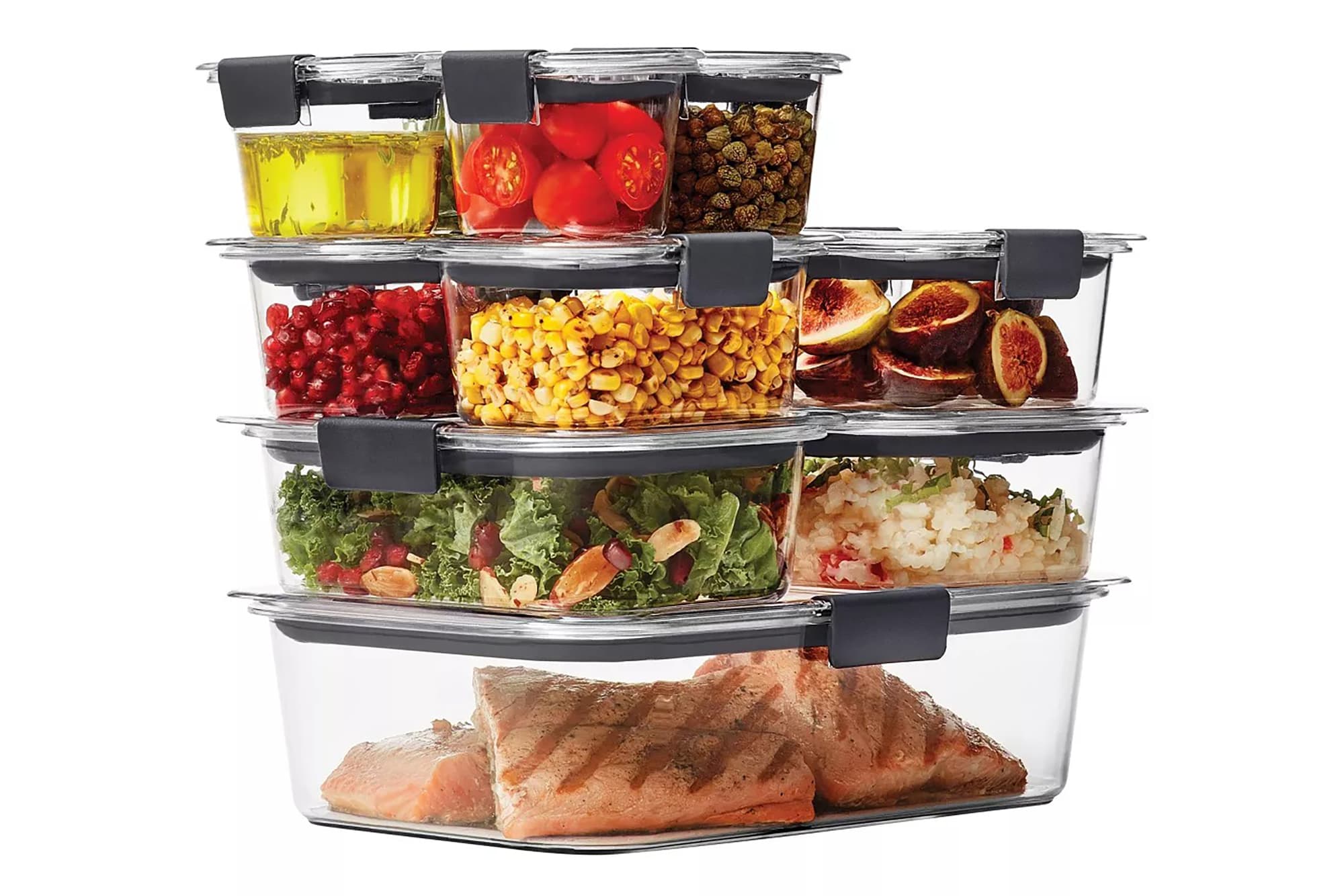
- Stackable freezer‑safe containers – Perfect for prepared meals, soups, and bulk meats.
- Reusable glass jars with silicone seals – Great for spices, dried fruits, nuts, and anything you want to see at a glance.
- Modular compartment trays – Useful for separating leftovers, lunchbox portions, or snack packs.
- Hybrid vacuum‑seal bags with reusable canisters – Space‑saving vacuum power without a full‑size machine.
What to look for
Material durability
Choose food‑grade polypropylene, HDPE, stainless steel, or tempered glass. These resist cracking, discoloration, and chemical leaching after repeated heat‑cold cycles. Avoid containers that feel flimsy or emit a plastic odor—signs of lower‑grade polymers.
Seal integrity
A reliable seal keeps air, moisture, and pests out. Look for locking lids with silicone or rubber gaskets that give a solid “click” when closed. Some lids include a vent‑release button for pressure equalization after heating.
Stackability & space efficiency
Flat edges and interlocking designs let containers nest or stack securely, maximizing cabinet and freezer space. Ensure lids sit flush on top of the container to prevent wobble.
Size range for family use
Bulk staples need large, wide‑mouth bins (5–10 gal). Everyday items like cereal work better in 1–2 qt or 12–16 oz sizes. A versatile set includes at least one jumbo bin, a couple of mid‑size jars, and single‑serve containers for meal prep.
Light and odor resistance
Opaque, matte‑finished containers shield vitamins from UV light and keep strong‑smelling foods from contaminating others. A tight gasket further blocks odors.
Ease of cleaning
Dishwasher‑safe containers save time, but interiors must be free of hard‑to‑reach corners. Wide mouths and lids that separate into sealing rings enable thorough cleaning. If you choose glass, keep plastic lids for temperature‑swing durability.
Compatibility with freezer, microwave, and oven
For reheating in‑container, pick microwave‑safe options. Freezer‑ready materials must tolerate –20 °F without becoming brittle. Some stainless‑steel or tempered‑glass containers double as oven dishes when used with a foil cover.
Our picks
Heavy‑duty airtight bins for bulk pantry items
5‑gallon, wide‑mouth containers with a lock‑down lid, silicone gasket, and push‑down seal. Made from high‑impact polypropylene, they resist cracks and stains.
Who it’s for: Large families buying 25‑lb bags of rice, beans, or oats and needing pest‑free storage. Trade‑offs: Bulky lids can be hard to snap on when the bin is full.
Shop this type: Check price on Amazon →
Stackable freezer‑safe containers
Tempered glass or BPA‑free polymer that tolerates –20 °F. Quarter‑turn lids with rubber gaskets prevent freezer burn; a stack‑lock ridge keeps containers from slipping.
Who it’s for: Batch‑cooking families that need clear, organized freezer space. Trade‑offs: Glass versions are heavier and can chip; plastic may become slightly cloudy over time.
Shop this type: Check price on Amazon →
Reusable glass jars with silicone seals
Tempered, heat‑resistant glass paired with a silicone lid that creates an airtight seal. Suitable for spices, nuts, dried fruit, and homemade jams.
Who it’s for: Families that display pantry staples on open shelves and want odor‑proof storage. Trade‑offs: Glass breaks if dropped; silicone seals eventually need replacement.
Shop this type: Check price on Amazon →
Modular compartment trays
Shallow rectangular trays with removable dividers, constructed from BPA‑free polypropylene. A tight‑fit lid seals all sections simultaneously.
Who it’s for: Households prepping multiple side dishes at once—roasted veggies, quinoa, protein—while keeping them separate. Trade‑offs: Not suited for liquids or soups without a separate sealed container.
Shop this type: Check price on Amazon →
Hybrid vacuum‑seal bags with reusable canisters
Multi‑layer, puncture‑resistant bags that pair with a hand‑pump or countertop vacuum. The reusable canister can be refilled repeatedly, reducing plastic waste.
Who it’s for: Families storing bulk meat, cheese, or delicate baked goods who want extended shelf life. Trade‑offs: Initial setup takes a few extra minutes; canisters add bulk to storage areas.
Shop this type: Check price on Amazon →
How to choose
- Map your storage zones. If the pantry is your primary hub, prioritize heavy‑duty airtight bins. If the freezer dominates, choose a stackable freezer‑safe set.
- Visibility vs. protection. Transparent containers (glass jars, clear plastic) make inventory checks fast; opaque containers protect light‑sensitive foods.
- Match material to content. Bulk grains store fine in high‑impact plastic; liquids or soups are safer in glass or sturdy polymer containers that won’t warp.
- Balance durability and convenience. Microwave‑safe containers simplify reheating; vacuum‑seal systems add steps but dramatically extend shelf life.
- Build a tiered system. Large bins for staples, mid‑size jars for everyday items, and single‑serve containers for meal‑prep portions. This avoids redundant purchases and creates a truly lifetime‑ready setup.
FAQ
How long can an airtight container keep pantry staples fresh?
If the seal stays intact and the container remains in a cool, dry place, most dry goods retain peak quality for 1‑2 years. Whole‑grain flours may lose flavor sooner, so rotate older supplies to the front.
Are glass containers safe for the freezer?
Tempered glass labeled freezer‑safe can handle sub‑zero temperatures, but avoid sudden temperature shocks (e.g., pouring boiling water into a frozen jar).
Can I wash silicone seals in the dishwasher?
Silicone gaskets tolerate dishwasher cycles, but prolonged high heat can reduce elasticity over years. Hand‑washing prolongs their life; replace seals every few years.
Will plastic containers warp if I put hot food in them?
Only containers marked “microwave‑safe” or “heat‑proof” can reliably handle boiling liquids. Regular food‑grade polypropylene may warp with direct boiling water.
How do I know if a container is truly BPA‑free?
Look for a “BPA‑free” label on the packaging or product description. Reputable brands list the material (e.g., “food‑grade polypropylene”) alongside the claim.
Is vacuum sealing worth it for a family that buys in bulk?
Yes. Removing oxygen slows spoilage and freezer burn, extending shelf life of meat, cheese, and baked goods by several months compared with standard containers.
What’s the best way to organize a mix of large and small containers in a pantry?
Place the biggest bins on the bottom or at the back, then stack similarly sized containers on top. Fill gaps with smaller jars or modular trays. Shelf‑leading labels help everyone locate items quickly.
Bottom line
Lifetime food storage isn’t about flashiness; it’s about matching material, seal, and size to how your family shops, cooks, and stores food. Heavy‑duty airtight bins keep bulk staples pest‑free, stackable freezer‑safe containers protect meal‑prep portions, and reusable glass jars give a clear, odor‑proof pantry view. Add modular trays or a hybrid vacuum‑seal system, and you have a cohesive, long‑lasting solution that saves money, reduces waste, and keeps every meal tasting its best. Happy storing!