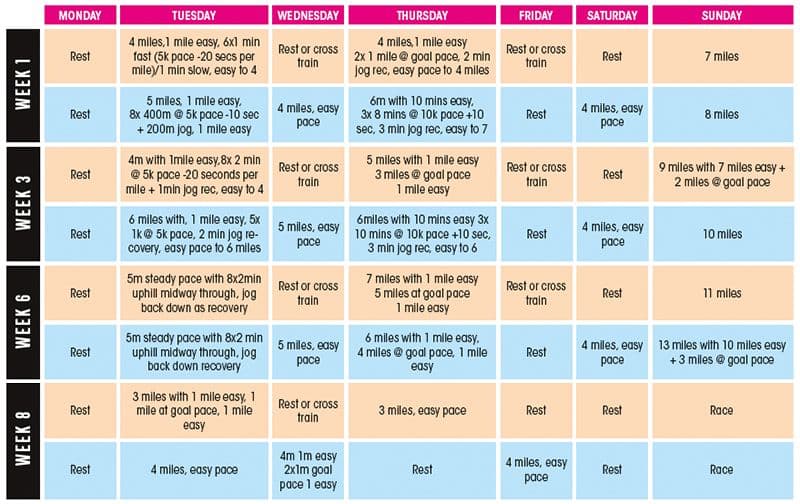
How to Build an Interval Training Plan for a Marathon (Step‑by‑Step Guide)
You’ve got a marathon on the calendar, but every time you open your training log the interval rows are either blank or scattered. The result? Missed speed work, stalled race‑pace improvements, and a lingering doubt that you’ll ever break your target time. This guide gives you a concrete framework to slot high‑intensity repeats into a marathon calendar without sacrificing recovery. You’ll learn how to pick interval lengths, balance volume, select the gear that makes each repeat painless, and track progress so the plan evolves with you.
Quick picks
- Beginner‑friendly 4‑week plan – low‑stress schedule that introduces intervals while protecting recovery.
- Intermediate sub‑3‑hour marathon builder – 12‑week block with progressive pace, length, and volume.
- Ultra‑marathon endurance enhancer – two‑to‑three‑hour sessions aimed at races beyond 26.2 mi.
- Coach‑tailored custom template – editable framework for athletes, sport‑specific demands, or race‑day tactics.
- Hybrid strength‑speed combo – integrates hill repeats with flat intervals for balanced power development.
What to look for
1. Training volume vs. intensity balance
Intervals are a high‑stress stimulus; the weekly mileage must stay in a range that supports recovery. Aim for 15‑20 % of your total weekly mileage as interval distance. For a 50 mi week, that’s 7‑10 mi of hard repeats. This ratio helps you avoid overtraining while still reaping neuromuscular gains.
2. Interval length and recovery ratio
Short (200‑800 m) – sharpens leg turnover, ideal for sub‑3‑hour goals. Medium (1‑2 km) – mirrors marathon threshold effort, perfect for most marathoners. Long (3‑5 km) – builds lactate tolerance, useful for ultra‑distance runners.
Recovery guidelines:
- Short repeats: 1:1 work‑to‑rest (e.g., 400 m jog after 800 m).
- Medium repeats: 1:0.75 (e.g., 1 km jog after 1 km).
- Long repeats: 1:0.5 (e.g., 3 km jog after 3 km). These ratios can be tweaked based on how the session feels; a slight increase in jog distance can dramatically improve next‑repeat quality.
3. Weekly schedule and periodization
Place interval days early in the week (Tuesday/Wednesday) when you’re freshest. Follow hard sessions with easy runs or cross‑training. A macro‑cycle typically looks like:
- Base (4‑6 weeks) – low‑intensity mileage, no intervals.
- Build (6‑8 weeks) – 1‑2 interval sessions per week, gradually increasing pace or length.
- Peak (2‑3 weeks) – race‑pace repeats, then taper. Consistency in day order helps your body adapt and prevents “hard‑hard‑hard” fatigue spikes.
4. Compatibility with gear (watch, shoes, app)
A GPS watch with a built‑in interval timer eliminates manual counting. Look for:
- Custom interval sets (work, rest, repetitions).
- Vibration alerts.
- Battery life ≥12 h in GPS mode. Pair the watch with a shoe that offers responsive cushioning and a lightweight upper; heavy stability shoes feel clunky during fast repeats. A training app or journal that logs each interval split lets you spot trends, adjust pacing, and compare weeks.
5. Nutrition and hydration for high‑intensity work
Even short repeats deplete glycogen, especially in heat. Recommended protocol:
- Pre‑run: 30‑45 min before, eat a banana or small energy bar.
- During long repeats (≥2 km): sip a 1:4 electrolyte‑carb mix (30‑45 g carbs/hour) to sustain blood sugar and replace sodium.
- Post‑session: consume a 3:1 carbohydrate‑protein ratio within 30 min (e.g., chocolate milk, recovery shake). Tailor fluid volume to temperature and sweat rate; a simple sweat test (weigh before and after) can guide you.
Our picks
GPS watch with customizable interval alerts
A watch that lets you program multiple interval sets (work‑time, rest‑time, repetitions) and delivers silent vibration cues is a game‑changer. Look for long battery life (≥12 h in GPS mode), an easy‑to‑read dial, and seamless sync with popular training apps. The trade‑off is a higher price and a learning curve for custom menus. Shop this type: Check price on Amazon →
Lightweight responsive running shoes for interval work
When cranking out 800 m repeats, shoe weight and ground feel matter more than maximal cushioning. Choose a shoe with minimal drop (4‑6 mm), a flexible midsole, and a breathable upper. Ideal for runners who already have a dedicated long‑run shoe and can afford a second pair for speed sessions. Expect a slightly firmer ride and a shorter lifespan (≈300 mi). Shop this type: Check price on Amazon →
Structured training book or app focused on marathon intervals
A guide that breaks down interval weeks, includes sample workouts, and explains the science behind work‑rest ratios saves hours of research. Look for resources that cover multiple experience levels, provide adjustable paces based on recent race results, and include tracking spreadsheets or digital templates. Perfect for self‑coached athletes who like a printed reference or offline app. The downside is that a single book may not address every unique scheduling constraint, so you may still need to tweak the plan. Shop this type: Check price on Amazon →
Portable nutrition kit for high‑intensity days
A compact kit containing fast‑acting carb gels, electrolyte tablets, and a small reusable water bottle fits easily into a waist belt or pocket. Choose gels with ≤5 g of fiber to avoid stomach upset, and pair them with a sodium‑rich electrolyte tablet if you train in heat. This kit is ideal for runners who dislike bulky sports drinks and want a quick, mess‑free energy boost. Gels can be pricey; buying in bulk or making homemade chews reduces cost. Shop this type: Check price on Amazon →
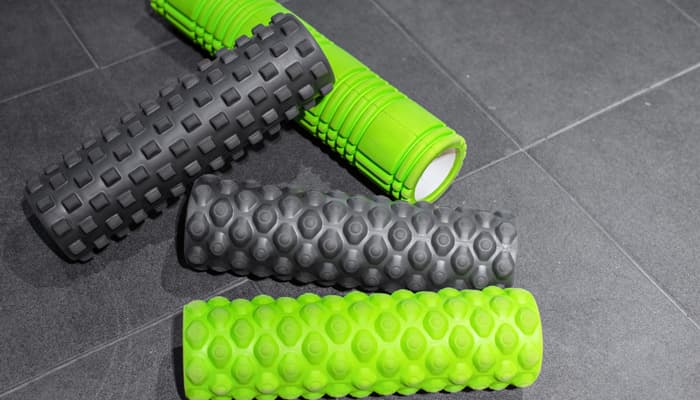
Recovery‑focused foam roller and mobility set
After intense interval days, muscle tightness can impede the next session. A high‑density foam roller and a set of mobility balls help release myofascial tension, improve range of motion, and accelerate recovery. Look for surface textures that target calves, quads, and IT band. Use for 5‑10 minutes post‑run.
How to choose
- Match fitness level to a quick‑pick template – beginners start with the 4‑week plan; intermediates select the sub‑3‑hour builder; ultra‑runners opt for the endurance enhancer.
- Identify the weakest gear category – rank watch, shoes, training guide, nutrition kit, and recovery tools. Upgrade the lowest‑scoring item first; this “weak‑link” approach yields measurable improvement without overspending.
- Run a two‑week test block – log every interval split, perceived effort, and recovery rating. Use the watch’s data and your training journal to compare.
- Adjust volume or intensity – if recovery feels compromised, reduce repeat count or lower target pace by 5 %.
- Progressively add complexity – once the base feels stable, introduce hill repeats, add a second interval day, or lengthen the work portion by 10 % each mesocycle.
- Re‑evaluate every 4‑6 weeks – update paces based on recent race results, tweak rest ratios, and rotate shoe models if cushioning degrades.
FAQ
How many interval sessions should I do per week?
For most marathoners, one to two interval days per week provides enough stimulus while preserving recovery for long runs.
Can I replace hill repeats with flat‑ground intervals?
Hill repeats develop strength and economy, but flat intervals can mimic intensity if you run them 5–10 % faster than your goal marathon pace.
What is the best way to gauge interval pace without a treadmill?
Use a recent race result (e.g., 10K) to calculate your target interval pace with online calculators, then aim for a 5–10 % faster effort for shorter repeats.
Should I do intervals early in the day or later?
Morning sessions are ideal because glycogen stores are fresh, but if you’re a night owl, just ensure you’ve eaten a carb snack at least 30 minutes prior.
How long should the recovery jog be for a 1‑km repeat?
A common ratio is 1:0.5, so for a 1‑km hard effort, jog about 500 m or 2‑3 minutes at an easy pace.
Bottom line
Designing an interval plan for a marathon is a balancing act of intensity, volume, and recovery, supported by the right gear and nutrition. Start with a template that fits your experience level, fine‑tune interval length and work‑rest ratios, and back the work with a GPS watch, responsive shoes, a solid training guide, and a portable nutrition kit. Test, log, and adjust every two weeks; the resulting program will sharpen speed without eroding the long runs that underpin marathon endurance. Happy training – and enjoy the faster finishes that come with smart interval work!


%3Amax_bytes(150000)%3Astrip_icc()%2Fshp-half-marathon-gear-sep-24-test-new-balance-womens-fuelcell-supercomp-elite-v4-jthompson-2057-8feab28f35ed42a7bbcfd364aae4bbd4.jpeg&w=3840&q=75)