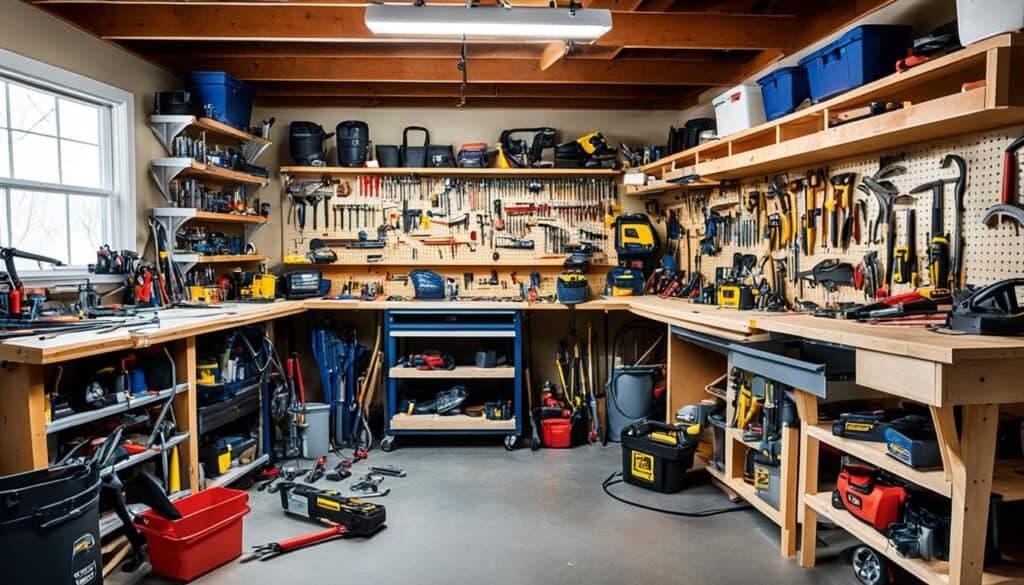
How to Organize Garage Tools for Lifetime Use
When a wrench or drill is missing right before a project, frustration turns into lost time and potential damage. The real problem most homeowners face is not a lack of tools but a chaotic garage that lets rust, dents, and misplacement shorten a tool’s life. This guide shows you how to build a storage system that protects every piece, speeds up every job, and stays functional as your collection grows.
Quick picks
- Wall‑mounted pegboard & slatwall system – Visual inventory; instant grab for hand tools.
- Heavy‑duty rolling cabinets – Lockable, mobile, perfect for power‑tool batteries and accessories.
- Adjustable steel shelving units – Sturdy platforms for paint cans, lumber, and heavy boxes.
- Magnetic strip & tool‑holder rails – Fast access for metal tools such as screwdrivers, wrenches, and hammers.
- Ceiling‑mounted rack or loft – Stores ladders, long lumber, and compressors without sacrificing floor space.
Each pick solves a common garage‑pain point: floor clutter, tool loss, or exposure to the elements. Choose the combination that matches your space and workflow.
What to look for
1. Material durability and corrosion resistance
Garage air swings from humid summer heat to damp winter chill. Opt for coated steel, powder‑finished aluminum, or high‑grade polymer components. In coastal zones, a stainless‑steel finish or sealed powder coat adds a needed layer of protection against salt‑driven rust.
2. Load capacity and weight distribution
A shelf that bows under a few paint cans becomes a safety hazard. Verify weight rating per shelf, hook, or peg and confirm that mounting hardware—anchors, brackets, or lag bolts—matches or exceeds those limits. Floor‑standing units should have a wide base, cross‑bracing, and optional wall anchoring to prevent tipping.
3. Expandability and modularity
Your toolbox will grow. Look for interlocking shelves, adjustable brackets, and removable pegboard panels that let you add or rearrange without rebuilding the entire system. Universal mounting—such as 1‑inch slatwall channels—works with a broad range of accessories.
4. Visibility, labeling, and accessibility
The fastest way to protect a tool is to find it quickly and replace it the same way. Open‑front cabinets, clear bins, or a pegboard with a regular grid make each item visible at a glance. Pair the system with a durable labeling kit—adhesive tags, magnetic labels, or laser‑etched plates—to keep everything organized without guesswork.
5. Climate control and dust protection
Dust, moisture, and temperature swings corrode metal and gum up plastic grips. Choose seal‑tight doors, gaskets, or removable dust covers for larger cabinets. For power‑tool batteries, a small de‑humidifier or silica‑gel packets inside the cabinet can add months of life.
Our picks
Wall‑mounted pegboard & slatwall system
A well‑installed pegboard creates a visual map of every hand tool, turning “what do I need?” into a split‑second decision. Premium systems feature steel backing with a powder‑coat finish, so the board resists warping when you hammer a heavy hammer onto it. Slatwall panels accept brackets, bins, and shelves of varying depths, letting you evolve from pure hanging storage to hybrid parts storage without re‑drilling.
Best for: DIYers who switch projects often and families that need tools out of reach of children. Considerations: Installation requires stud drilling or heavy‑duty wall anchors—a one‑time effort. The look is functional rather than decorative.
Shop this type: Check price on Amazon →
Heavy‑duty rolling cabinets
Rolling cabinets blend secure, lockable drawers with cart mobility. Look for full‑steel frames, reinforced caster wheels (minimum 200 lb each), and drawer slides with at least 500 lb total weight rating. Deep drawers accommodate batteries, cords, and accessory kits; the top can hold a portable workbench surface.
Best for: Contractors who need to move their tool hub between job sites and hobbyists who want a lockable “tool vault”. Considerations: Floor space is consumed, and wheels require periodic cleaning and lubrication on concrete or gravel.
Shop this type: Check price on Amazon →
Adjustable steel shelving units
Steel shelving is the workhorse of any garage. Choose units with adjustable shelf pins, a minimum 1‑inch thick steel lip, and at least 800 lb total load capacity per unit. Open‑front designs let you slide in bins or hooks, while lockable side panels guard against dust and pets. Adding a plastic or laminate shelf liner prevents scratches on paint cans and simplifies cleaning.
Best for: Homeowners who store bulk items—paint, lumber, seasonal décor—and need a low‑maintenance, grow‑with‑you solution. Considerations: Shelves are static; tools remain visible unless you add boxes or curtains. Heavy loads can cause wobble if the unit isn’t anchored to the wall.
Shop this type: Check price on Amazon →
Magnetic strip & tool‑holder rails
A magnetic strip mounted at waist height offers instant access to frequently used metal tools. Pair it with U‑shaped rails for larger items like hammers or wrenches. The magnetic surface should be neodymium-grade to hold heavy tools without slipping.
Best for: Mechanics or hobbyists who need fast retrieval of screwdrivers, sockets, and small hand tools. Considerations: Only metal tools can be stored; plastic or wooden items need separate solutions.
Ceiling‑mounted rack or loft
Ladders, long lumber, and air compressors waste valuable floor space. A ceiling‑mounted rack utilizes overhead joists, keeping the garage floor clear for projects. Use heavy‑duty steel straps and lag bolts rated for at least 150 lb each.
Best for: Large garages with high ceilings where floor real‑estate is at a premium. Considerations: Installation demands access to joists and a basic understanding of load limits; a professional can verify safety.
How to choose
- Map your space – Sketch a floor plan, noting ceiling height, stud locations, and permanent fixtures (water heater, washer/dryer).
- Categorize your tools – Group into heavy power tools, hand tools, consumables (paints, lubricants), and long items (ladders, lumber).
- Prioritize based on garage size
- Small garage: Wall‑mounted pegboard or slatwall first, then a compact rolling cabinet for power tools.
- Large garage: Combine wall‑mounted solutions with ceiling racks for bulky items.
- Set a budget and phase the rollout – Start with essential wall storage and a few shelves. Add rolling cabinets or a loft later as the collection expands.
- Verify load ratings before hanging – Use stud anchors for heavy hooks; avoid drywall plugs for anything over 30 lb.
- Plan for maintenance – Choose finishes that can be touched up (paintable steel) and accessories that are interchangeable across systems.
- Test the workflow – After installation, run a mock project: locate three tools, use them, and replace them. Adjust height, spacing, or labeling based on the experience.
By aligning storage type with tool frequency, weight, and size, you create a garage that protects equipment, boosts efficiency, and stays safe for years.
FAQ
How much weight can a pegboard safely hold?
Standard steel‑backed pegboards support 20–30 lb per hook when anchored into studs. For heavier items, use slatwall panels with reinforced brackets or mount a shelf above the board.
Do rolling cabinets need special flooring?
A smooth, level surface helps the wheels roll evenly. If the floor is uneven, place a rubber mat beneath the cabinet to protect both the floor and the casters.
What’s the best way to prevent rust on stored tools?
Store tools in a climate‑controlled area, use sealed cabinets or dust‑proof covers, and place silica‑gel packets inside. Lightly coat metal surfaces with oil (e.g., WD‑40) before storing them away from humidity.
Can I install a ceiling rack without professional help?
Yes, if you can access the joists and verify they can support the load. Use lag bolts rated for at least 150 lb each and follow the manufacturer’s spacing guidelines. When in doubt, consult a handyman.
How often should I reorganize my garage tools?
A light tidy‑up every 3–6 months keeps the system functional. Conduct a full re‑evaluation once a year—especially after major projects—to discard worn‑out tools and adjust storage for new additions.
Bottom line
Organizing garage tools for lifetime use isn’t about splurging on the priciest system; it’s about matching durable, modular storage to how you work and the environment of your garage. Focus on material quality, load capacity, expandability, visibility, and climate protection. Choose the wall‑mounted, rolling, or shelving solutions that fit your space, install them correctly, and enjoy a tidy, safe workshop that serves you for years to come.



%3Amax_bytes(150000)%3Astrip_icc()%2Ffaw-plastic-cutting-boards-test-gorilla-grip-sarah-felbin-3_crop-6b78f46f1d8b471cb2f9b47ec8ab5fa4.jpeg&w=3840&q=75)