Alloy vs Stainless Steel Kitchen Shears Strength: Which Material Wins for Everyday Use?
You’ve probably noticed your kitchen shears rusting, dulling, or slipping after a few weeks of use. The material they’re made from determines how long they stay sharp, how well they resist corrosion, and how comfortable they are during heavy cutting. This guide breaks down alloy and stainless‑steel constructions, highlights the specs that matter, and helps you match the right shear to your cooking style, space, and durability expectations. By the end you’ll know which material gives you the best value and longevity.
Quick picks
- Heavy‑duty, all‑metal alloy shears – Best for high‑stress tasks like cutting poultry joints or dense vegetables.
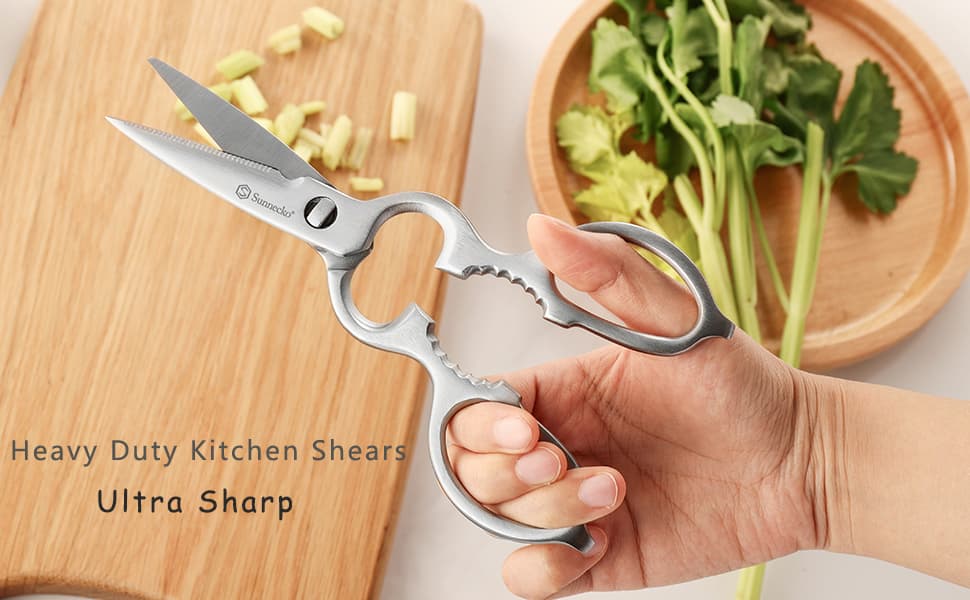
- Lightweight stainless‑steel kitchen shears – Ideal for everyday chopping, opening packages, and quick herb snips.
- Hybrid shears with alloy blades / stainless handles – Offer a balance of strength and ergonomics for versatile kitchens.
- Compact, all‑stainless mini shears – Perfect for small kitchens, RVs, or camping where space and weight matter.
- Professional‑grade shears with reinforced alloy tips – Designed for chefs who need razor‑sharp precision and extra leverage.
What to look for
Blade composition and heat treatment
Alloy shears blend carbon, chromium, and often vanadium. The mix sets hardness (Rockwell C) and edge retention. Look for "heat‑treated" or "tempered" blades – the process aligns grain structure, boosting strength without brittleness. Stainless‑steel models typically use 18/8 or 18/10 grades; they resist rust but can be softer than a well‑treated alloy. If you need to slice raw chicken or fibrous squash repeatedly, a high‑hardness alloy blade is safer.
Corrosion resistance
Stainless steel forms a passive chromium‑oxide layer that defends against rust. In kitchens with salty brines or acidic juices, stainless‑steel shears stay cleaner longer. Some alloy blades are also corrosion‑resistant when they contain at least 12% chromium and carry a protective coating. Check for "nickel‑plated," "titanium‑coated," or "nickel‑free stainless" to gauge longevity in wet environments.
Blade geometry and tip design
Edge shape directly impacts required force. A razor‑thin edge on an alloy shear cuts with minimal effort but may dull faster on hard materials. Stainless‑steel shears often have a slightly thicker edge, sacrificing finesse for durability. Look for "reinforced tip" or "micro‑serrated edge" if you plan to cut skin, fish bones, or packaging tape – the added strength prevents bending.
Handle material and ergonomics
Alloy shears sometimes pair metal handles with rubberized grips, giving a solid, weighty feel that helps leverage tougher cuts. Stainless‑steel shears often have fully metal handles that can become slippery when wet unless knurled or overlaid with silicone. Choose a grip that matches your hand size and offers a non‑slip surface, especially if you have limited grip strength.
Lever and lock mechanisms
A sturdy pivot (usually a hardened bolt) must survive repeated opening and closing without wobbling. Some models add a lock that keeps the blades closed for safe storage – handy for families with children. For heavy alloy pairs, ensure the pivot is reinforced with a bearing or stainless bolt; otherwise the extra weight can strain the joint over time.
Maintenance and sharpening
Alloy blades, especially very hard ones, are harder to sharpen at home; a professional service is often needed. Stainless‑steel blades are more forgiving and can be honed with a fine ceramic stone or a dedicated shear sharpener. If you prefer a "set it and forget it" tool, a softer stainless‑steel edge may be more practical.
Our picks
Heavy‑duty all‑metal alloy shears
If you frequently cut raw poultry, thick stems, or frozen foods, a full‑metal alloy shear is the workhorse you need. High‑hardness carbon‑chromium blades stay sharp through dozens of tough cuts, and reinforced tip caps resist bending. The extra weight adds momentum, making dense material easier to slice. The trade‑off is a higher price and occasional professional sharpening. Shop this type: Check price on Amazon →
Lightweight stainless‑steel kitchen shears
For day‑to‑day prep—snipping herbs, opening packaging, trimming small fruits—a stainless‑steel pair offers corrosion resistance and ease of use. Their lighter weight enables quick maneuvers, and they won’t rust even after a dishwasher cycle. Look for a micro‑serrated edge if you also need to cut chicken skin. They sharpen easily at home with a honing stone, though they may dull faster on very hard vegetables. Shop this type: Check price on Amazon →
Hybrid shears with alloy blades and stainless handles
When you need strength without the full weight of an alloy tool, hybrids strike a balance. The cutting edge is forged from alloy for superior sharpness, while stainless handles with silicone overlays keep the overall heft manageable and reduce hand fatigue. Many include a built‑in bottle opener or nutcracker—great for multitasking in a busy kitchen. The alloy tip isn’t as reinforced as a full‑metal version, so extreme tasks may wear it down faster. Shop this type: Check price on Amazon →
Compact, all‑stainless mini shears
For tiny countertops, dorm rooms, or outdoor kits, a compact stainless pair is a space‑saving hero. At 5‑6 inches long, they’re lightweight and feature a simple screw‑tight pivot that disassembles for cleaning. While they lack the power of a full‑size alloy shear, they excel at delicate jobs like snipping chives, trimming pastry dough, or opening snack bags. Thinner blades may dull sooner if misused on bone or frozen meat, so reserve them for light tasks. Shop this type: Check price on Amazon →
How to choose
- Identify your toughest task. Raw meat, poultry joints, or dense vegetables point to alloy‑based shears. Everyday herb prep and packaging opening favor stainless steel.
- Match ergonomics to hand size. Heavier alloy tools provide solid leverage but can strain smaller hands. Lightweight stainless options reduce fatigue.
- Consider kitchen space. Limited drawer space makes a compact stainless model attractive.
- Plan maintenance. Are you comfortable sending blades to a professional, or would you rather hone them at home? alloy = professional; stainless = DIY.
- Weigh extra features. Locks for child safety, built‑in bottle openers, or reinforced tips can tip the balance. By weighing material strength, typical workload, comfort, and upkeep, you’ll select a shear that stays sharp and reliable for years.
FAQ
How does alloy strength compare to stainless steel in kitchen shears?
Alloy blades are generally harder and retain a sharper edge longer, especially when heat‑treated. Stainless steel offers superior corrosion resistance but can be slightly softer, meaning it may dull faster under heavy use.
Can stainless‑steel shears cut through chicken bones?
They handle small bones or cartilage, but the thinner edge may dull or chip with frequent bone cutting. For regular bone work, an alloy shear with reinforced tips is safer.
Are hybrid shears worth the extra cost?
Hybrid shears give you alloy sharpness with lighter, corrosion‑resistant handles. If you need a versatile tool that won’t weigh you down, the modest premium often pays off.
How often should I sharpen my kitchen shears?
Heavy‑duty alloy shears usually need professional sharpening once a year. Stainless‑steel shears can be honed at home every few months when bite diminishes.
Is dishwasher safe for alloy kitchen shears?
Most alloy shears have protective coatings that tolerate dishwashers, but repeated high‑heat cycles can wear the coating and blunt the edge. Hand‑washing and quick drying preserve strength.
What safety features should I look for?
A lock that keeps blades closed for storage is useful, especially with children. Some models include a built‑in bottle opener that also helps keep the pivot tight.
Do I need a separate sharpening stone for my shears?
A fine‑grain ceramic or diamond stone works well for stainless‑steel edges. Very hard alloy blades are best sharpened by a professional to avoid damaging the temper.
Bottom line
Alloy kitchen shears excel when you need raw power, edge retention, and reinforced tips for tough jobs. Stainless‑steel shears shine in everyday versatility, corrosion resistance, and easy home maintenance. Hybrids blend the best of both, while compact stainless models serve light‑task, space‑constrained kitchens. Align material strength with your most common tasks, hand size, and willingness to maintain the edge, and you’ll pick a pair that truly lasts.

%3Amax_bytes(150000)%3Astrip_icc()%2Ffaw-plastic-cutting-boards-test-gorilla-grip-sarah-felbin-3_crop-6b78f46f1d8b471cb2f9b47ec8ab5fa4.jpeg&w=3840&q=75)