Best Reflectors for Night Ultramarathon Safety
Night ultramarathons turn every step into a hazard when your gear blends into darkness. If you’ve ever missed a rock or stumbled because volunteers couldn’t see you, you need a reflector system that stays bright, secure, and light enough to outrun fatigue. This guide cuts through the clutter, highlights the specs that matter, compares the main reflector styles, and points you to the best products. By the end you’ll know exactly which reflector solves your visibility problem and where to buy it without endless searching.
Quick picks
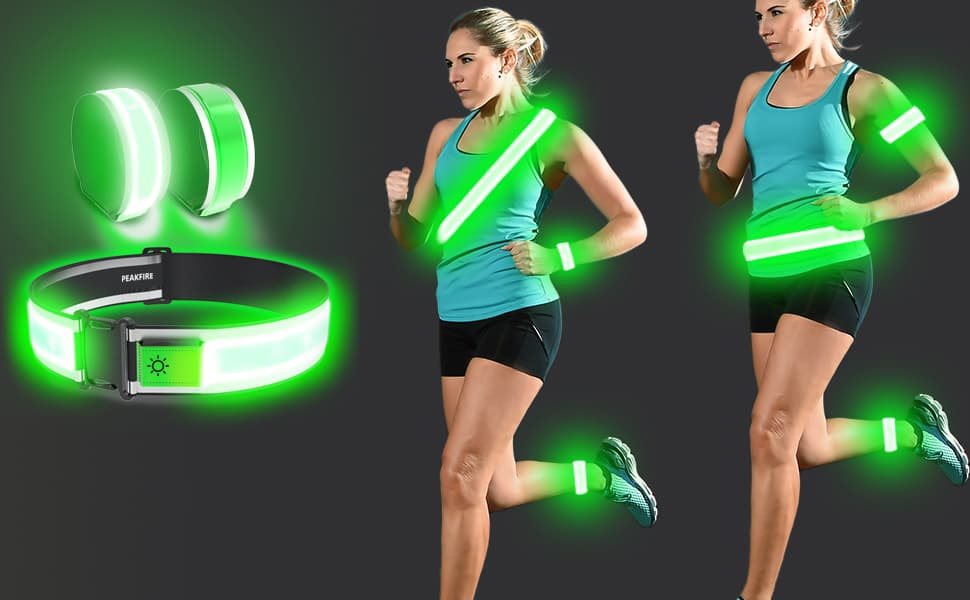
- Clip‑on LED reflector straps – bright, battery‑powered boost with minimal bulk.
- Tape‑style reflective strips – ultra‑light, low‑profile solution that adheres directly to gear.
- Reflective safety vests or jackets – 360° coverage for open trails or city loops.
- Shoe‑mounted reflectors – protect the lower body and stay visible from front and back.
- Hybrid headlamp‑reflector combos – illumination and reflective flash in one device.
What to look for
1. Brightness and light output
Reflectors return ambient light; seek a high retro‑reflectivity rating (cd/lx). Aim for at least twice the rating of standard street‑wear reflectors. LED‑integrated units should deliver 20–30 lumens for a clear flash without draining the battery quickly.
2. Placement versatility
Courses vary from forested to desert. Choose systems with clips, Velcro loops, elastic bands, or adhesive backs so you can move a reflector between a vest, strap, or pack.
3. Weather resistance
Rain, sweat, mud, and dust are inevitable. Look for at least IPX4 water resistance and sealed battery compartments. Tape‑style reflectors need a weather‑proof adhesive that survives a wash.
4. Weight and bulk
Every gram matters on 50‑plus mile runs. Clip‑on LED straps usually weigh < 80 g; full‑length vests add 150–200 g. Compare weight per square foot of reflective surface to gauge the visibility‑to‑mass trade‑off.
5. Battery life and power source
Powered reflectors should run 8–12 hours on the manufacturer’s recommended setting. Coin‑cell LED units last a single race; rechargeable Li‑ion models need a USB‑C cable compatible with your other gear.
6. Durability of the reflective material
Micro‑prismatic or glass‑bead technologies retain brightness after many washes. Look for “abrasion‑resistant coating” or “UV‑stable material” if you train in sunny or abrasive conditions.
7. Ease of use and adjustability
A fiddly attachment means the reflector stays in the drawer. Prefer single‑push clips, snap‑fasteners, or peel‑and‑stick backs that roll out smoothly. Adjustable straps help fit a range of belt or pack sizes.
Our picks
Clip‑on LED reflector straps
Short, flexible bands that snap onto belt loops, pack straps, or shoe laces. An internal LED array flashes in a high‑visibility pattern, amplifying the passive return signal.
Ideal for: runners who need a powerful visual cue without sacrificing kit sleekness. Perfect for races that start after dark and finish before dawn.
Trade‑offs: limited battery life; carry a spare coin cell for long events. The LED housing adds a few grams and may rub against tight shoe tongues.
Shop this type: Check price on Amazon →
Tape‑style reflective strips
Long, thin sheets of high‑grade reflective material with a backing that can be sewn, clipped, or stuck onto clothing, shoes, or backpacks. They rely entirely on external light sources.
Ideal for: ultra‑light runners who already carry a headlamp. The strips amplify the beam, making you visible from every angle without extra power.
Trade‑offs: provide no illumination in total darkness. Adhesive‑backed versions can lose stickiness after mud or sweat; a spare piece of double‑sided tape is advisable.
Shop this type: Check price on Amazon →
Reflective safety vests or jackets
Full‑body garments with high‑coverage reflective fabric, often with reflective piping on sleeves and hem. Some models include LED pockets for flashing.
Ideal for: runners tackling open‑road segments, mountain passes, or desert trails where vehicles may spot you from a distance. The extra fabric also offers abrasion resistance.
Trade‑offs: even the lightest vests add ≥ 150 g and can trap heat on warm nights. Layering over a technical jacket may feel restrictive.
Shop this type: Check price on Amazon →
Shoe‑mounted reflectors
Low‑profile reflective plates or LED clips that attach to the shoe tongue, laces, or cleats. Their proximity to the ground makes them visible to low‑angle headlights.
Ideal for: runners who keep their torso free for hydration packs or bibs but still need lower‑body visibility, especially on steep descents.
Trade‑offs: limited surface area reduces return signal strength. Re‑attachment can be fiddly if you change shoes mid‑race.
Shop this type: Check price on Amazon →
Hybrid headlamp‑reflector combos
Devices that combine a low‑profile headlamp with a built‑in reflective ring that spins or flashes. The headlamp lights the trail; the reflector cycles bright flashes visible from the side.
Ideal for: runners who prefer an all‑in‑one solution for lighting and signaling, useful on solo training or races that allow personal lighting.
Trade‑offs: bulkier than separate units, and the shared battery may shorten overall run time.
Shop this type: Check price on Amazon →
How to choose
- Map the night‑time conditions of your target race. Unlit trails benefit from powered reflectors (clip‑on LED or hybrid headlamp). Well‑lit courses can rely on passive tape or shoe‑mounted strips.
- Match the reflector to your gear. If you already wear a hydration vest, a reflective safety vest doubles as protection. Minimalists may prefer clip‑on straps or shoe mounts.
- Prioritize weather resistance. Choose IPX4‑rated or higher for rain‑heavy events and verify adhesive durability for mud‑splattered runs.
- Test on a short night run. If the attachment slips or irritates skin, you’ll likely abandon it during the ultra.
Rank these criteria—visibility need, gear compatibility, weather tolerance, weight budget—and score each reflector style. The highest‑scoring option becomes your race‑day solution.
FAQ
What is the difference between reflective tape and LED‑integrated reflectors?
Reflective tape merely bounces existing light back to its source, so its brightness depends on ambient illumination. LED‑integrated reflectors generate their own flash, staying visible in total darkness but requiring a battery.
How often should I replace my night‑run reflectors?
High‑grade glass‑bead reflectors retain ~80 % of their reflectivity after 50 washes. Replace strips when the flash dulls or the adhesive fails.
Can I use the same reflector for road races and trail ultras?
Yes, but adapt to the environment. Trail ultras need water‑resistant, low‑angle solutions like shoe‑mounted or clip‑on reflectors. Road races benefit from broad‑coverage vests that catch car headlights.
Are bright, flashing reflectors legal in all states?
Most U.S. states permit flashing reflective accessories for pedestrians and cyclists, but some local ordinances restrict flashing lights on public roads after certain hours. Verify the race’s local regulations or your state’s vehicle code.
How do I keep my reflectors from rubbing off my clothing?
Use secure attachment methods—Velcro loops, elastic bands, or stitched‑in loops—rather than relying solely on adhesive. If using tape‑style strips, stitch a few corners onto the fabric for extra stability.
Bottom line
Night ultramarathons demand a reflector system that balances brightness, durability, and weight. Clip‑on LED straps deliver a powerful flash for low‑light sections; tape‑style strips and shoe‑mounted reflectors provide lightweight, passive safety for illuminated portions. For full coverage, a reflective safety vest or hybrid headlamp‑reflector combo keeps you visible from every angle. Match the reflector style to your race environment, gear setup, and weather expectations, and you’ll run with confidence—no matter how dark the trail gets.
%3Amax_bytes(150000)%3Astrip_icc()%2Fmerrell-womens-vapor-glove-6--030ae97f23a64334949ef9f7214cf30f.jpg&w=3840&q=75)