Best Night‑Visibility Jackets for Early‑Morning Runs – Your Complete Buying Guide
You love the quiet of pre‑dawn training, but low light turns every streetlamp and parked car into a potential hazard. The right night‑visibility jacket makes you stand out, keeps you comfortable, and lets you move freely during long miles or race‑day warm‑ups. This guide shows what to look for, matches features to common use‑cases, and walks you through top picks so you can buy with confidence.
Quick picks
- Lightweight reflective shell – minimal insulation, high‑visibility detailing, ideal for fast intervals.
- Thermal insulated jacket with built‑in reflectivity – warmth on chillier mornings while staying bright.
- Wind‑resistant vest with reflective trim – core protection without bulk; perfect for layered outfits.
- All‑weather soft‑shell with detachable reflective panel – versatile for varying conditions; panel can be added or removed.
- Hybrid jacket with LED strip integration – battery‑powered lighting for the darkest routes, great for ultra‑night miles.
What to look for
1. Reflective surface area and placement
Large, continuous panels on the chest, back, and sleeves provide the best visibility. Look for woven reflectors such as 3‑M™ rather than glued‑on tape; they retain sparkle after many washes. Placement on shoulders and lower back covers multiple angles.
2. Material weight and breathability
For mild conditions, a lightweight nylon or polyester ripstop offers wind‑blocking breathability. Below 40 °F (4 °C) consider a mid‑weight polyester fleece or a thin insulated liner. Aim for fabrics rated 10 g/m²/24 h or better for moisture vapor transfer.
3. Wind and water resistance
A hydro‑shield coating or DWR (Durable Water Repellent) finish sheds light rain without the PVC feel. Tight weaves or laminated membranes reduce chill wind while letting sweat escape.
4. Fit and range of motion
The jacket should block drafts yet allow full arm swing. Look for articulated sleeves, gusseted underarms, or a stretch panel in the back. A slightly longer hem protects the hips when layered.
5. Zipper and pocket design
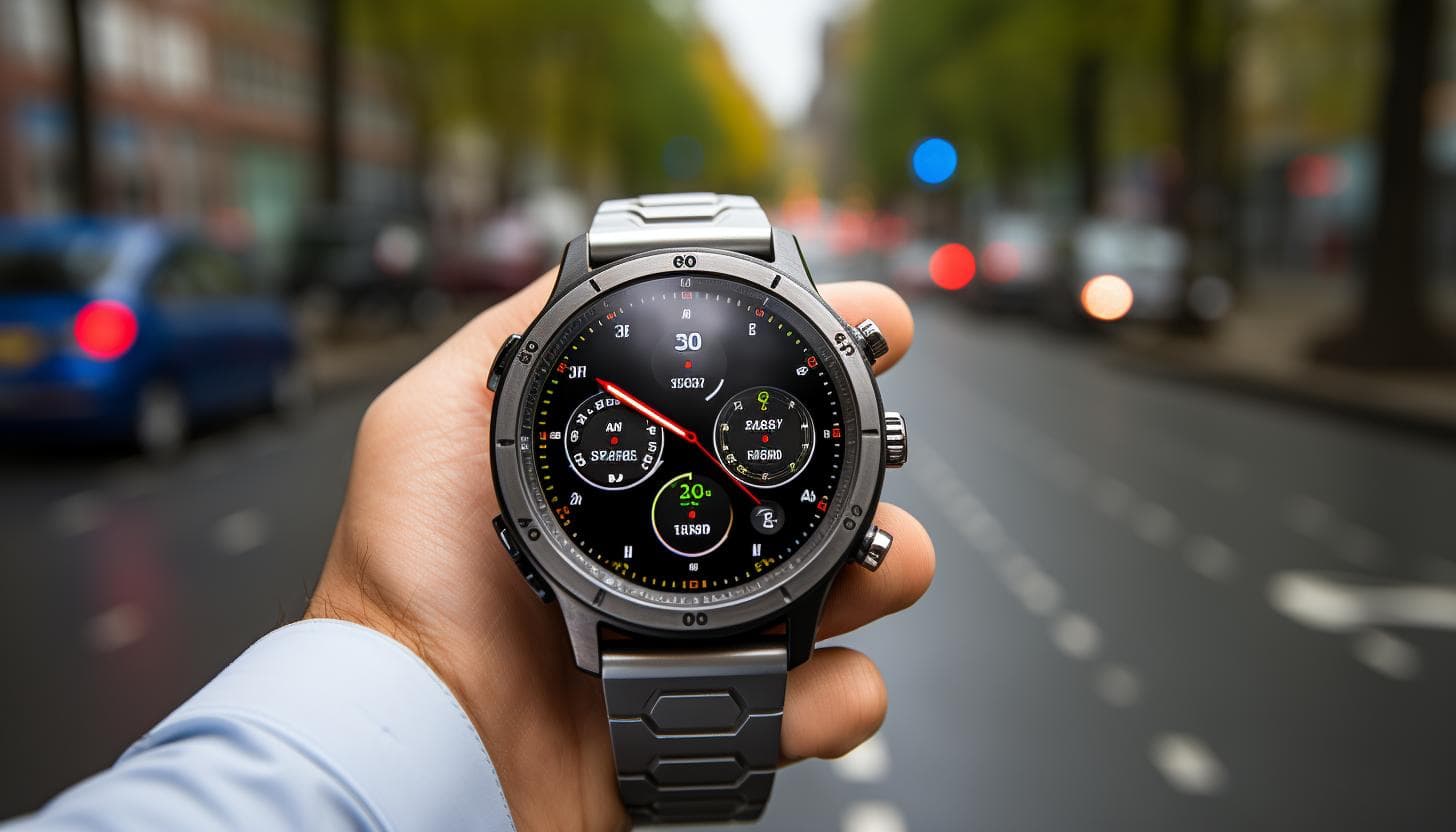
A full‑length front zipper with a storm flap stops wind and rain. A zippered chest pocket is easy to reach; side pockets hold gels or a phone. Ensure the pocket opening is wide enough for a GPS watch band.
6. Visibility beyond reflectors (LED integration)
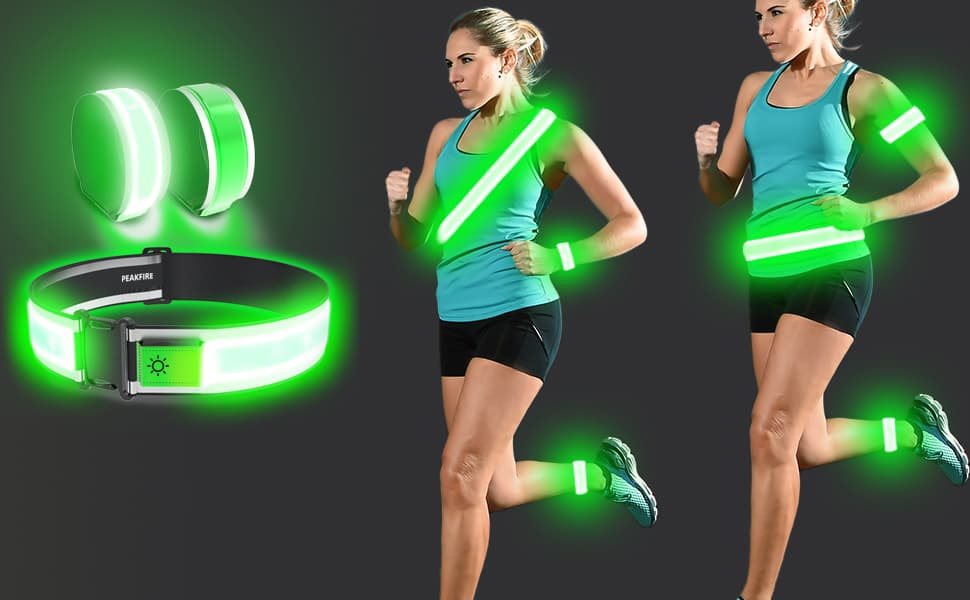
Integrated LED strips add active glow for complete darkness or rural roads. Choose a low‑profile system that toggles steady and flashing modes.
7. Care and durability
Pick jackets that are machine‑washable (cold, gentle) and dry‑tumble safe. Reflective elements should be stitched, not merely glued, to survive repeated washes.
Our picks
Lightweight reflective shell for speed work
A thin shell under 150 g with full‑length reflective panels shines under headlights while staying breathable. It packs into a race‑day vest, but you’ll need a separate layer for cold mornings.
Who it suits: Competitive marathoners, tempo‑run enthusiasts, anyone who values speed over warmth. What to expect: Excellent visibility, breathable feel, limited warmth. Shop this type: Check price on Amazon →
Thermal insulated jacket with built‑in reflectivity
Synthetic fill (e.g., Primaloft®) retains heat when damp; reflective side panels cover torso and sleeves. Weight climbs to 250‑300 g, but the warmth‑to‑weight ratio is ideal for sub‑50 °F (10 °C) conditions.
Who it suits: Ultra‑distance runners training in autumn/winter, long‑run marathoners before sunrise. What to expect: Warmth and visibility; slightly bulkier on fast segments. Shop this type: Check price on Amazon →
Wind‑resistant running vest with reflective trim
A vest provides core warmth while leaving arms free. High‑visibility piping runs around shoulders and lower back; a wind‑blocking membrane adds protection without bulk. Pair with a moisture‑wicking shirt for full coverage.
Who it suits: Runners who like to customize layers, those training in windy but dry weather. What to expect: Breathability and freedom of movement; needs proper layering for arm protection. Shop this type: Check price on Amazon →
All‑weather soft‑shell with detachable reflective panel
Soft‑shell fabric offers stretch, water resistance, and moderate warmth. A detachable reflective panel zips on for dark runs and off for daylight training. The 4‑way stretch supports technical trails.
Who it suits: Trail ultrarunners, year‑round marathoners facing varied climates. What to expect: All‑season performance, added convenience; higher cost due to dual‑function design. Shop this type: Check price on Amazon →
Hybrid jacket with LED strip integration
A thin, waterproof LED strip runs along the back and shoulders, powered by a rechargeable lithium‑ion pack lasting 8‑10 hrs. Modes toggle between steady glow and flashing. Weight is around 350 g; the battery requires periodic charging.
Who it suits: Night‑time ultra‑race participants, safety‑conscious commuters, anyone needing maximum visibility. What to expect: Superior nighttime visibility, modest extra weight, battery management. Shop this type: Check price on Amazon →
How to choose
- Temperature range – Above 50 °F (10 °C) → lightweight shell. Below → insulated or soft‑shell.
- Layering preference – Want a single piece? Choose insulated or hybrid. Prefer mix‑and‑match? Go for a vest or detachable‑panel jacket.
- Visibility level – Standard reflectors suffice on well‑lit streets. For trails or rural roads, pick an LED‑integrated model.
- Fit and movement – Try the jacket on with your usual shoes and base layer; you should lift your arms fully without pulling. Test pocket accessibility before buying.
Answer these four questions and you’ll narrow dozens of products to the single type that matches your training plan and safety priorities.
FAQ
What is the difference between reflective tape and reflective fabric?
Reflective tape is a thin strip sewn onto a garment; reflective fabric is woven into the material, providing a larger, more durable visible surface.
Can I wear a night‑visibility jacket in warm weather?
Yes, if you choose a lightweight, breathable shell under 150 g with minimal insulation. Look for high moisture‑wicking properties to avoid overheating.
How do I care for the LED strips on a hybrid jacket?
Remove the battery pack and wipe it with a damp cloth. The jacket itself is usually machine‑washable on a gentle cycle; keep the battery out of the washer.
Will a reflective vest be enough for a road race that starts at 5 a.m.?
A vest works on well‑lit roads, but adding a reflective jacket or front‑facing panel improves visibility from drivers approaching from behind.
Are waterproof jackets necessary for early morning runs?
Not always. A DWR‑treated jacket repels light rain and dew while allowing sweat to escape. For heavy rain, look for a fully waterproof breathable membrane (e.g., Gore‑Tex®).
How much extra weight does an LED‑integrated jacket add?
Typically between 250 g and 350 g, depending on strip length and battery size.
Can I use the same night‑visibility jacket for trail running?
Yes, as long as it offers good stretch and durability for technical terrain. Soft‑shell or hybrid jackets are often the best choices.
Bottom line
Choosing the best night‑visibility jacket hinges on matching visibility, weather protection, and fit to your specific training habits. Whether you need a feather‑light reflective shell for speed, an insulated jacket that stays bright, or a high‑tech LED hybrid for absolute safety, the right option lets you focus on your stride—not the darkness. Use the criteria in this guide, test the fit with your usual layers, and hit the road—or trail—confidently every dawn.
%3Amax_bytes(150000)%3Astrip_icc()%2Fmerrell-womens-vapor-glove-6--030ae97f23a64334949ef9f7214cf30f.jpg&w=3840&q=75)