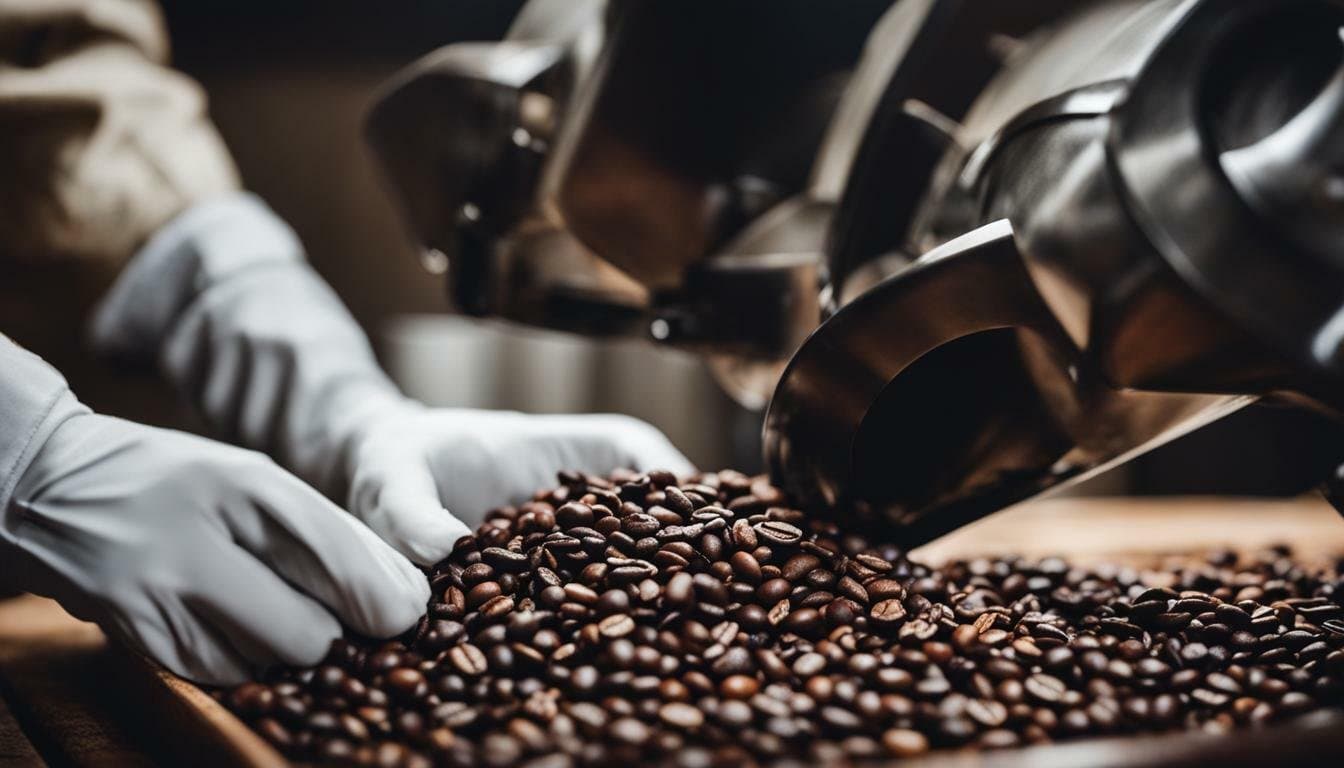
How to Store Specialty Coffee Beans for Flavor: A Practical Guide
You finally tracked down that coveted Ethiopian Yirgacheffe or Colombian “flight‑date” coffee, only to watch the nuances fade after a couple of weeks. The problem isn’t the beans—it’s how they’re stored. Oxygen, light, heat, and moisture all conspire to flatten acidity, mute fruit notes, and mute buttery texture. This guide shows you the chemistry behind flavor loss and walks you through the most effective storage solutions so every cup lives up to the price you paid.
Quick picks
- Airtight ceramic canister with silicone gasket – ideal for daily countertop use.
- Vacuum‑seal storage bag set with one‑way valve – perfect for preserving bulk beans.
- Stainless‑steel tin with built‑in humidity indicator – great for small batches and visual moisture monitoring.
- Counter‑top cooler box (mini‑fridge style) – best for serious roasters who keep multiple origins.
What to look for
1. Light‑blocking materials
Coffee beans are photosensitive. UV rays accelerate oxidation, breaking down aromatic oils. Choose opaque ceramic, thick dark‑coated glass, or matte stainless steel. If a clear jar is a must‑have, add an inner UV‑blocking liner or a dark sleeve.
2. Seal quality and airtightness
Oxygen is the primary enemy of flavor. A compression‑fit lid with a silicone gasket creates a consistent seal. Test it by sealing the container, inserting a straw, and attempting to blow; you should feel resistance.
3. One‑way (degassing) valve
Fresh beans release CO₂ for several days. A valve lets gas escape while keeping ambient air out, preventing pressure buildup that could pop the lid open.
4. Temperature stability
Heat speeds the breakdown of volatile compounds. Store beans where temperature stays below 75 °F (24 °C) and away from ovens, stovetops, or direct sunlight. Some stainless‑steel tins include a thin insulating layer that buffers temperature swings.
5. Humidity control
Moisture encourages clumping and mold. Look for containers that seal out external humidity completely or include a built‑in hygrometer/desiccant pocket. A small “dry‑pack” slot for a silica packet adds an extra safety net.
6. Size and headspace
A 12‑ounce bag stored in a 32‑ounce jar leaves a lot of air. Choose a container that matches the amount you’ll consume within a week or two—generally 8‑12 oz for everyday drinkers, 16‑24 oz for enthusiasts rotating several origins.
7. Ease of access and cleaning
Frequent opening calls for a wide mouth or flip‑top lid. Non‑porous interiors (ceramic glaze, stainless steel) are easier to clean and won’t retain lingering oils that could contaminate a new batch.
8. Longevity vs. convenience trade‑offs
Vacuum‑seal systems provide the longest shelf‑life but add a step each time you open a bag. Simple screw‑top canisters are hands‑free but may only preserve flavor for 2‑3 weeks. Decide which factor matters most to you.
9. Aesthetic and space considerations
A sleek ceramic canister can double as decor, while a mini‑fridge is a functional statement piece. Measure countertop real‑estate before committing to a cooler box.
Our picks
Airtight Ceramic Canister with Silicone Gasket
A thick‑walled ceramic canister blocks UV rays and looks attractive on any countertop. The silicone gasket creates a near‑perfect compression seal. It’s ideal for daily brewers who value both function and form. The main downside is weight—ceramic is heavier than glass, and a drop could chip the glaze. Most manufacturers include a silicone foot pad to protect both the jar and the surface.
Shop this type: Check price on Amazon →
Vacuum‑Seal Storage Bag Set with One‑Way Valve
For roaster‑direct purchases (1 kg bags are common), a vacuum‑seal system removes the majority of oxygen and lets CO₂ escape via the valve. The set usually includes a manual pump and reusable zip‑seal bags. It’s the most effective method for extending freshness 2–3 months, though it requires a few extra steps each time you access the beans.
Shop this type: Check price on Amazon →
Stainless‑Steel Tin with Built‑in Humidity Indicator
A brushed stainless‑steel tin offers excellent protection against light, oxygen, and temperature swings. The built‑in humidity strip changes color when moisture rises, giving a quick visual cue. An inner silicone liner adds a secondary barrier. It suits minimalist kitchens and small households that brew 1–2 cups a day. Capacity is limited (8‑10 oz), so a second container may be needed for larger purchases.
Shop this type: Check price on Amazon →
Counter‑Top Cooler Box (Mini‑Fridge Style)
A dedicated mini‑fridge set to 55‑60 °F (13‑16 °C) creates a stable, cool environment that dramatically slows oxidation. The removable shelf and clear glass door let you see beans without opening the unit. It’s the premier solution for collectors who treat coffee like fine wine. The trade‑off is countertop space and continuous energy draw.
Shop this type: Check price on Amazon →
How to choose
- Map your consumption pattern – If you drink 1–2 cups daily from a 12‑ounce bag, a ceramic canister or stainless‑steel tin will keep beans fresh for the typical 2‑3‑week window. For 1‑kilogram bulk buys, a vacuum‑seal bag system eliminates most oxygen and handles CO₂ release.
- Assess kitchen real‑estate – A canister or tin fits on any counter. A cooler box needs a dedicated spot and a power outlet. Measure before buying.
- Weigh effort vs. longevity – Vacuum sealing adds a step each time you open a bag. A screw‑top canister is “open‑and‑go.” Choose the workflow that matches your lifestyle.
- Consider secondary storage – If you travel or take beans to the office, keep a portable insulated pouch as a secondary container, but never replace your primary airtight jar.
- Budget check – Ceramic canisters range $30‑$60, vacuum‑seal kits $25‑$45, stainless‑steel tins $20‑$35, and mini‑fridges $120‑$250. Pick the tier that aligns with how seriously you treat specialty coffee.
FAQ
How long can specialty coffee beans stay fresh after opening?
Most beans retain peak flavor for 2–3 weeks in an airtight, light‑blocking container at room temperature. Vacuum‑sealed storage can stretch that window to 2–3 months, though subtle notes may still mellow.
Do I need to refrigerate coffee beans?
Regular refrigeration isn’t necessary and can introduce moisture unless the container is truly airtight. Only a dedicated cooler set to ~55 °F is recommended for long‑term, multi‑origin storage.
What’s the purpose of a one‑way valve?
A one‑way valve releases the CO₂ that freshly roasted beans emit while keeping ambient oxygen out, preserving aroma and preventing pressure buildup.
Can glass jars work for coffee storage?
Clear glass admits light, speeding oxidation. If you prefer glass, choose a dark‑tinted or UV‑coated version, or add an opaque sleeve. Ceramic or stainless steel remain the safest choices for light protection.
How often should I clean my storage container?
Rinse with hot water and a mild, food‑safe detergent once a month, then dry thoroughly. Avoid scented cleaners that could transfer flavors to the beans.
Is it okay to store beans near the dishwasher or stove?
No. Heat and steam raise temperature and humidity inside the container, accelerating flavor loss. Keep beans in a cool, dry spot away from appliances that generate heat.
Should I grind beans before storing them?
Never. Ground coffee oxidizes within hours. Store whole beans and grind just before brewing for maximum flavor.
Bottom line
Preserving specialty coffee flavor hinges on limiting oxygen, light, heat, and moisture. Match the container to your buying habits, brew frequency, and kitchen space—whether that’s a sleek ceramic canister, a vacuum‑seal bag system, a humidity‑monitoring stainless‑steel tin, or a dedicated mini‑fridge. Pair the right storage with a habit of keeping beans airtight and cool, and you’ll consistently enjoy the bright, nuanced cup specialty coffee promises.

%3Amax_bytes(150000)%3Astrip_icc()%2FSimply-Recipes-Cold-Brew-Coffee-LEAD-16-428691bcdd594281b2f5dc6dbc8235e4.jpg&w=3840&q=75)