Manual Pour Over vs Automatic Drip Consistency: Which Brew Gives You the Same Great Flavor Every Time?
You wake up to a cup that tastes different each morning, and you’re left wondering why the ritual you love can be so unreliable. The problem isn’t the beans—it’s the brew method’s ability to repeat the same extraction every time. This guide cuts through the jargon, compares water flow, temperature control, and grind tolerance, and shows you how to match a brewer to your schedule, space, and taste expectations.
Quick picks
- Precision‑focused kit – Ideal for the barista who wants tight control over every variable.
- Space‑saving automatic – Perfect for small kitchens or offices where set‑and‑forget is a must.
- Hybrid with programmable flow – A middle ground that offers manual control plus temperature stability.
- Travel‑ready pour‑over – Portable, low‑maintenance options for on‑the‑road consistency.
What to look for
1. Temperature stability
Consistent brew temperature (195‑205 °F) is the single biggest factor in extraction uniformity. Manual pour‑overs depend on the kettle’s ability to hold heat, so choose a gooseneck kettle with a built‑in gauge or PID controller. Automatic drip machines should feature a thermostatically regulated heating element that stays within ±2 °F.
2. Flow‑rate control
In a pour‑over, water speed determines how evenly the grounds extract. A narrow‑spout kettle that delivers a steady, slow pour (measured in ml/s) gives the most repeatable flow. Automatic brewers use a showerhead or drip‑tube; check specs for “brew time” and adjustable flow.
3. Pre‑infusion (bloom) capability
A 30‑45 second bloom evens out saturation. With a manual pour‑over you pause after the first pour; some automatic machines include a programmed pre‑infusion pulse for the same benefit.
4. Grind‑size tolerance
If you switch beans often, you’ll notice each method’s forgiveness. Pour‑overs demand a tighter grind window (medium‑fine) because any deviation changes resistance. Drip brewers, especially flat‑bottom models, accept a broader range (medium‑coarse to medium), making them more beginner‑friendly.
5. Build quality and material
Heat retention matters. Stainless‑steel or copper kettles keep water hot longer, reducing reheats during multi‑cup pours. Automatic machines benefit from stainless‑steel boilers or thermocoil systems; plastic reservoirs cool quickly.
6. Cleaning and maintenance
Coffee oils shift flavor and affect consistency over time. Manual kits are easy to rinse, though ceramic or glass drippers can stain. Automatic drip machines have internal pathways that require regular descaling; look for removable brew baskets and dishwasher‑safe parts.
7. User interface and programmability
Set‑and‑forget users prefer an automatic drip with programmable start times, strength settings, and a digital display. Manual enthusiasts only need an ergonomic kettle with a clear temperature readout—no LCD required.
Our picks
1. The precision‑focused pour‑over kit
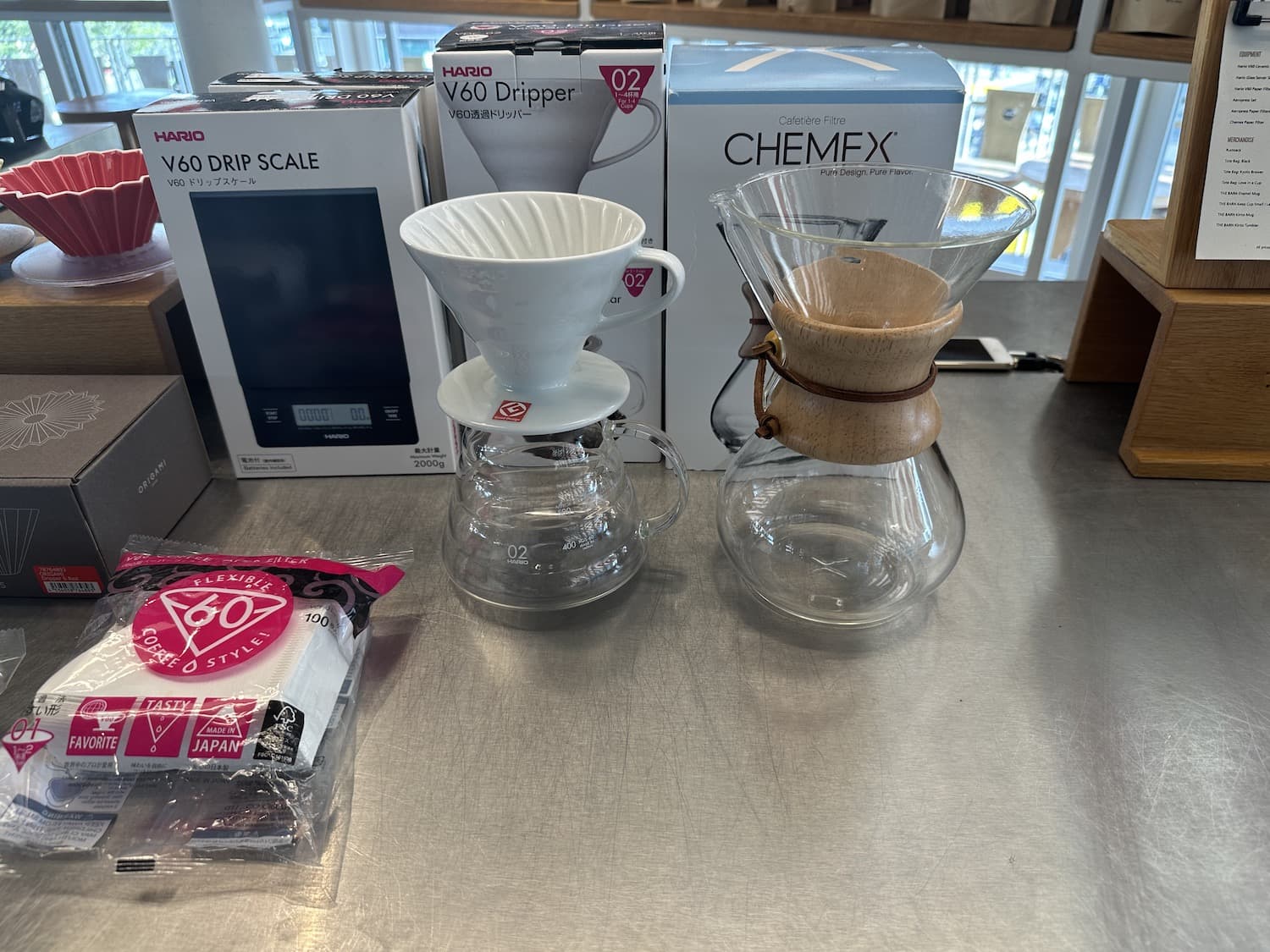
A classic ceramic dripper paired with a gooseneck kettle that includes a PID temperature sensor delivers ultimate control. The combo is perfect for coffee lovers who enjoy timing the bloom, adjusting the pour arc, and tasting subtle bean differences. Mastering the steady pour yields consistency that rivals high‑end automatics.
Trade‑offs: Requires manual timing and a steady hand; not ideal for rush‑hour mornings or large‑batch brewing.
Shop this type: Check price on Amazon →
2. Space‑saving automatic drip with thermostatic control
A compact 12‑cup brewer that uses a stainless‑steel heating element and flat‑bottom showerhead provides reliable temperature within a narrow range. Features often include a programmable pre‑infusion pulse, brew‑strength selector, and a keep‑warm function that doesn’t overshoot the optimal temperature. Great for apartments, offices, or anyone who wants a good cup at the push of a button.
Trade‑offs: Less hands‑on involvement means you miss the meditative pour; flavor nuance can be slightly muted compared with a meticulous pour‑over.
Shop this type: Check price on Amazon →
3. Hybrid brewer with programmable flow
A machine that merges manual artistry and automatic convenience: built‑in gooseneck spout, PID temperature control, and an adjustable flow valve. Set the temperature, start a timed pre‑infusion, then let the machine deliver water at a consistent rate you fine‑tune via the flow knob. Suits the “serious but busy” coffee fan who wants repeatable results without constant monitoring.
Trade‑offs: Higher price and a larger footprint than a basic drip; the flow‑adjust knob may need occasional fine‑tuning for different grind sizes.
Shop this type: Check price on Amazon →
4. Travel‑ready manual pour‑over
A lightweight, collapsible silicone dripper that fits into a travel mug, paired with a stainless‑steel travel kettle that has a built‑in temperature indicator, lets you brew consistent coffee on the go. The silicone basket tolerates a wider grind range, and the insulated kettle keeps water hot enough for a proper bloom even outdoors.
Trade‑offs: Limited to single‑cup servings; you still need pour proficiency, though the design simplifies cleanup.
Shop this type: Check price on Amazon →
How to choose
- Map your daily rhythm. Ten minutes plus a love of ritual points to a manual kit; seconds plus a busy household point to an automatic.
- Measure your space. Small countertops favor compact automatic or hybrid models; larger kitchens can host a full pour‑over station.
- Assess cleanup tolerance. Manual kits rinse quickly; automatics demand regular descaling.
- Consider bean turnover. Frequent switching favors the broader grind tolerance of a drip machine; a pour‑over lets you fine‑tune extraction for each bean.
- Set a budget. Entry‑level pour‑over kits start under $50, while hybrids can exceed $300. Weigh features against price to land on the system that delivers the consistent flavor you crave.
FAQ
How does water temperature affect consistency?
Water that’s too low under‑extracts, producing sour notes; too high over‑extracts, creating bitterness. Consistent temperature guarantees the same chemical reactions each brew, delivering a repeatable flavor profile.
Can I get the same coffee strength with both methods?
Yes, but the control differs. In a pour‑over you adjust coffee‑to‑water ratio and pour speed; in an automatic drip you use strength settings or manually change the brew ratio.
Do automatic drip machines need a paper filter?
Most do, though some accept reusable metal filters. Paper filters provide consistent flow and reduce oil buildup, helping maintain uniform flavor over time.
Is a gooseneck kettle necessary for consistency?
A gooseneck kettle gives precise control over pour speed and direction, directly impacting extraction uniformity. It isn’t mandatory, but it makes achieving consistency far easier.
What grind size works best for each method?
Pour‑over thrives on a medium‑fine grind (like table salt). Automatic drip machines are more forgiving, handling a medium‑coarse grind (like raw sugar) without sacrificing too much consistency.
Bottom line
Consistency isn’t exclusive to commercial equipment; it’s about matching the right tool to your workflow. Manual pour‑over kits give the detail‑oriented barista ultimate control, while automatic drip brewers deliver reliable results with a button press. Hybrid and travel‑ready options fill the gaps. Focus on temperature stability, flow control, pre‑infusion, and grind tolerance, and you’ll enjoy the same great cup day after day—no matter which side of the “manual vs automatic” debate you choose.

%3Amax_bytes(150000)%3Astrip_icc()%2Fsea-espresso-machines-test-breville-barista-express-impress-nsimpson-058-cacb044f2fef4b56a502cdc9bfdc7aa7.jpeg&w=3840&q=75)