Manual vs Electric Coffee Grinder for Espresso: Which One Wins Your Shot?
You grind espresso at home, but every shot tastes either sour or bitter because the grind isn’t consistent. The grinder you choose determines particle size, dose repeatability, and heat exposure—three variables that decide whether your espresso is silky or harsh. This guide cuts through the manual‑vs‑electric debate, evaluates every spec that matters, and gives you a decision framework so you can buy with confidence.
Quick picks
- Manual hand grinder for espresso – Ideal for travel, small kitchens, and those who love a hands‑on ritual.
- Entry‑level electric burr grinder – Great for beginners who want consistent results with minimal effort.
- Dose‑controlled electronic grinder – Suits serious home baristas who demand precision and timer‑based dosing.
- Compact countertop conical burr grinder – Perfect for limited counter space without sacrificing grind quality.
What to look for
1. Burr type and geometry
Espresso requires particles in the 20‑30 µm range. Conical burrs run quieter and generate less heat, preserving delicate flavors. Flat burrs often produce a tighter particle distribution, giving tighter control over extraction. Choose grinders that list “espresso‑grade” or “fine‑tune” burrs and avoid blade models entirely.
2. Grind‑size adjustability and micro‑stepping
A 0.1 mm shift can swing a shot from under‑extracted to over‑extracted. Manual grinders usually have a stepped wheel; premium models add a micro‑adjust dial or gear‑ratio for tiny changes. Electric grinders often feature stepless electronic steppers or programmable settings that record dose and grind size. Aim for at least 30‑40 distinct steps in the espresso range, or a true stepless system if you fine‑tune on the fly.
3. Dose consistency and dosing method
A consistent dose (18‑20 g for a double) is as critical as grind size. Manual grinders rely on a set number of revolutions; practice can make this repeatable but adds a manual step. Electric grinders typically offer pulse‑or‑timer dosing, or a built‑in scale for weight‑based dosing. If you pull multiple shots daily, an automatic dose button or programmable weight target saves time and reduces error.
4. Speed vs. heat generation
Electric grinders can grind a dose in 5‑10 seconds, but rapid rotation can heat the beans and mute bright notes. High‑speed models mitigate heat with low‑RPM burrs or heat‑dissipating housings. Manual grinders operate at your pace—usually under 30 seconds per dose—virtually eliminating heat buildup. Choose the speed that matches your flavor priorities.
5. Build quality and maintenance
Stainless‑steel burrs, hardened‑aluminum housings, and sealed bearings signal durability. Look for easy burr removal for cleaning; residue causes channeling and off‑flavors. Some electric models feature removable grinding chambers and anti‑static designs that reduce clumping. Manual grinders have fewer moving parts but can wear faster if burrs are low‑grade.
6. Size, weight, and ergonomics
A countertop electric grinder fits beside a semi‑automatic machine but may dominate a cramped kitchen. Manual grinders are lighter, can be stored in a pantry, and travel easily. Check handle length and grip comfort; a poorly designed crank leads to hand fatigue when dialing in fine settings.
7. Price and upgrade path
Entry‑level manual grinders start around $40; high‑end electric espresso grinders exceed $1,000. Consider whether you’ll upgrade burrs, add a dosing chamber, or replace the motor later. Some brands sell compatible burr upgrades, giving you growth without a full replacement.
Our picks
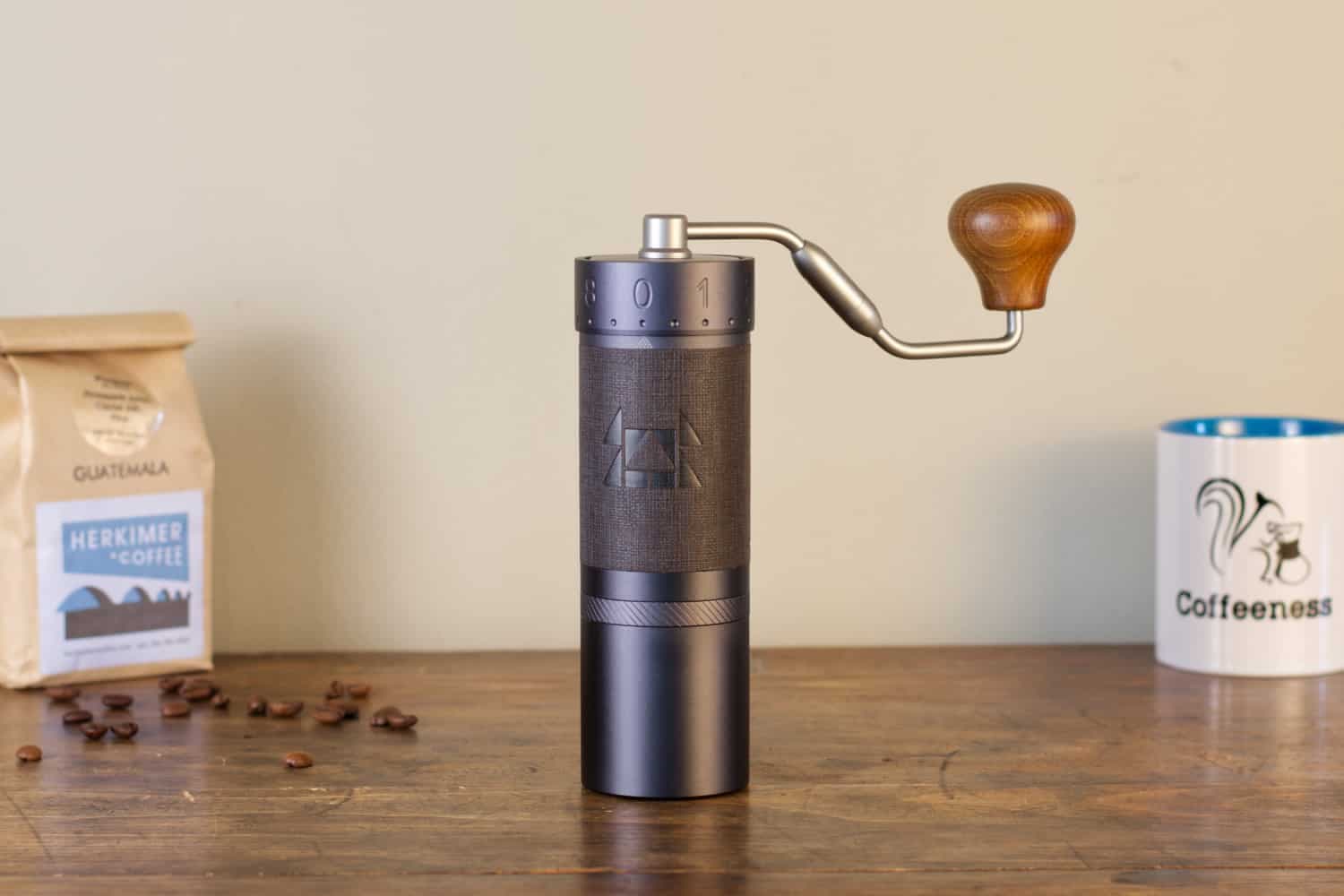
A tactile, travel‑ready manual grinder for espresso
If you love the ritual of grinding by hand and need a unit that fits in a backpack, choose a manual burr grinder with stainless‑steel conical burrs, a micro‑adjustment dial, and an ergonomic crank. The small hopper (30‑40 g) forces one‑dose grinding, encouraging consistency once you memorize the number of turns for your favorite dose. Expect a grind time of 20‑30 seconds per shot—perfect for a home office or weekend camping brew. The trade‑off is slower throughput and a modest learning curve, but portability and zero electricity make it unbeatable for on‑the‑go espresso lovers.
Shop this type: Check price on Amazon →
An entry‑level electric burr grinder that grows with you
For newcomers who want espresso‑grade consistency without a steep learning curve, an entry‑level electric conical burr grinder delivers speed and repeatability. Target a model with at least 30‑40 grind‑size steps in the espresso range, a pulse‑button dosing option, and a removable grind chamber for easy cleaning. These machines typically grind an 18‑g dose in under 10 seconds, and low‑RPM burrs keep heat buildup low. While they lack the ultra‑fine stepless control of premium units, they provide a reliable platform to master tamping, dosing, and extraction before you decide to upgrade.
Shop this type: Check price on Amazon →
A dose‑controlled electronic grinder for precision enthusiasts
When you chase shot‑to‑shot repeatability like a café barista, a grinder with built‑in weight dosing and programmable presets pays off. Look for a flat‑burr or conical‑burr system that runs at 500‑700 RPM, a digital display showing dose weight, and the ability to save multiple profiles for different beans. Many of these grinders feature a clutch that stops the burrs the instant the target weight is reached, eliminating over‑grinding and preserving flavor stability. The downside is a higher price and larger footprint, but the time saved on dose calculation and the precision gained in extraction dramatically improve espresso quality.
Shop this type: Check price on Amazon →
A compact countertop conical burr grinder for small kitchens
If counter space is at a premium but you refuse to compromise on espresso quality, a compact conical burr grinder designed for tight kitchens fits the bill. Prioritize a slim profile (≤12 inches wide), a low‑noise motor, and a removable hopper that holds at least 50 g of beans. These grinders often combine a stepless adjustment mechanism with a quick‑pulse dosing button, letting you dial in the perfect grind without occupying much real estate. They may lack the high‑capacity dosing chamber of a commercial‑grade unit, but they strike a sweet balance between space efficiency, grind consistency, and user‑friendly operation.
Shop this type: Check price on Amazon →
How to choose
Start by matching the grinder type to your espresso workflow. If you brew one or two shots a day, enjoy hands‑on rituals, and value portability, a manual grinder satisfies you without adding noise or electricity. If you need speed, pull multiple shots in quick succession, or prefer a “press‑button” experience, an electric grinder is the logical step. Consider how much precision you demand: dose‑controlled electronic grinders excel when you chase exact weights and repeatable extraction, while entry‑level electrics give good consistency for the casual home barista.
Next, weigh space and budget. Manual grinders fit in a drawer; compact electric units occupy a small footprint; high‑end dose‑controlled models need a dedicated spot and a larger upfront outlay. Think about maintenance: a grinder with easy burr removal and a sealed grind chamber stays cleaner longer, irrespective of power source. Finally, reflect on future growth. A manual grinder can be a stepping stone, but if you foresee moving to multi‑shot dosing or ristretto adjustments, investing in an electric platform with upgradeable burrs may save you from buying a second grinder later.
FAQ
What is the main advantage of a manual grinder for espresso?
A manual grinder gives you tight control over grind speed and heat generation, resulting in a cleaner flavor profile, and it’s portable and electricity‑free.
Can a budget electric grinder produce espresso‑grade consistency?
Yes, many entry‑level electric burr grinders provide enough grind‑size steps and repeatability for solid home espresso; just avoid models that use blade grinding.
How often should I clean my espresso grinder?
At a minimum, brush out the burrs and hopper after each use to prevent oil buildup. Perform a deep cleaning (removing burrs, wiping chambers) every 1‑2 months, depending on grinding frequency.
Do I need a dose‑controlled grinder to make good espresso?
No, but a dose‑controlled grinder simplifies achieving consistent shot weights, which is especially helpful when pulling multiple shots or experimenting with different beans.
Will a grinder’s speed affect my espresso taste?
High speeds can generate heat that subtly alters coffee oils, potentially muting bright flavors. Low‑RPM burrs or slower manual grinding help preserve the bean’s nuanced aromatics.
Is it worth spending extra on a flat‑burr grinder for espresso?
Flat burrs can deliver a slightly tighter particle distribution, which may improve shot consistency for meticulous brewers. High‑quality conical burrs are equally capable and often quieter.
How do I know when a grinder is “espresso‑ready”?
Look for specifications that mention fine‑tune or espresso‑grade burrs, a grind‑size range that includes very fine settings, and user reviews confirming the ability to dial in a 20‑30 µm particle size.
Bottom line
Both manual and electric grinders can deliver the fine, consistent grind espresso demands—your choice hinges on how you balance control, convenience, space, and budget. Manual grinders excel for portability, low heat, and ritualistic brewing, while electric models win on speed, dose precision, and ease of use. If you’re just starting out, an entry‑level electric burr grinder offers a gentle learning curve. For the dedicated home barista chasing shot‑to‑shot repeatability, a dose‑controlled electronic grinder is the ultimate tool. Assess your brewing volume, countertop real‑estate, and how much hands‑on involvement you enjoy, and you’ll land on the grinder that makes every espresso shot a delight.

%3Amax_bytes(150000)%3Astrip_icc()%2Fsea-espresso-machines-test-breville-barista-express-impress-nsimpson-058-cacb044f2fef4b56a502cdc9bfdc7aa7.jpeg&w=3840&q=75)