What to Consider When Buying a Kitchen Faucet
You’re tired of a leaky faucet that spikes your water bill, makes dishwashing a chore, and threatens the life of your sink. The right faucet can end those frustrations, improve efficiency, and match your kitchen’s style. This guide breaks down the essential features—mounting style, valve technology, sprayer reach, finish durability, water‑saving options, and warranty—so you can buy a faucet that works flawlessly and lasts for years.
Quick picks
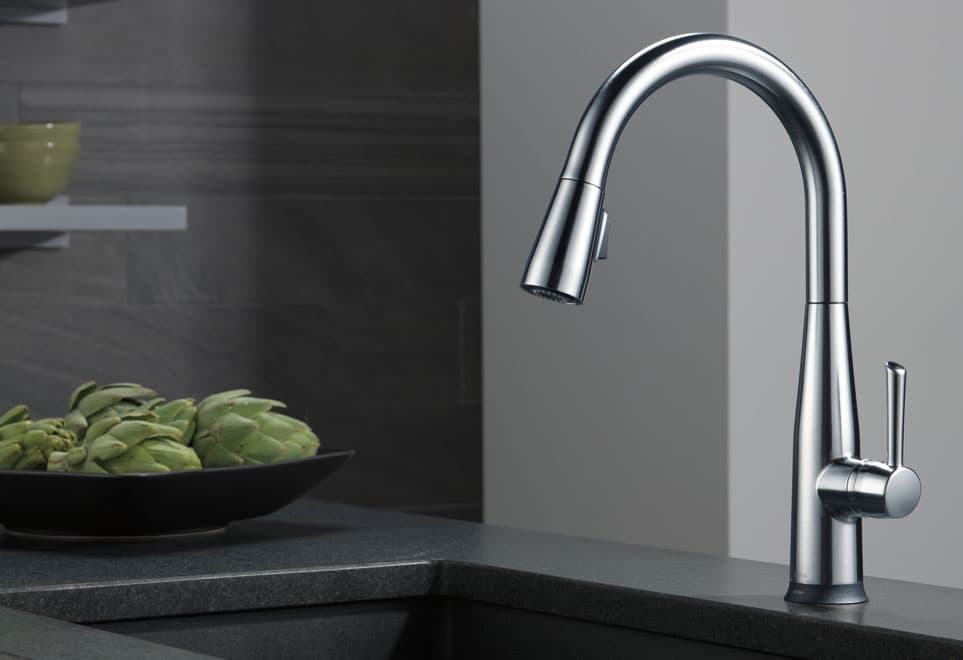
- Pull‑down sprayer faucet – Ideal for rinsing dishes, filling large pots, and reaching deep corners.
- Bridge (double‑handle) faucet – Classic look, separate hot‑cold control, perfect for vintage‑style kitchens.
- Single‑hole faucet with integrated countertop dispenser – Saves countertop space and provides filtered or sparkling water on tap.
- Commercial‑style (high‑arc) faucet – Heavy‑duty construction, high flow, built for busy cooks.
- Touch‑less/infrared faucet – Hands‑free operation for hygiene and water‑saving convenience.
What to look for
1. Mounting style and hole configuration
Faucets come in single‑hole, single‑hole with side sprayer, and double‑hole (bridge) configurations. Measure the number and spacing of existing holes before you buy. A single‑hole design minimizes clutter on tight countertops, while a bridge faucet becomes a focal point in larger kitchens.
2. Valve type and lifespan
The valve controls flow and temperature. Ceramic‑disc valves deliver smooth operation and survive 10,000+ cycles, far outlasting compression or ball valves. They also leak less over time.
3. Sprayer reach and functionality
Pull‑down sprayers typically extend 4–6 inches; pull‑out units reach 9–12 inches. Choose a reach that matches your sink depth. Extra functions—pause button, swivel head, or high‑pressure spray—add convenience but increase mechanical complexity.
4. Finish durability and maintenance
Popular finishes include stainless steel, brushed nickel, oil‑rubbed bronze, and matte black. Opt for PVD‑coated or hard‑chrome plated finishes for superior scratch resistance and corrosion protection. Matte finishes hide water spots; polished chrome shows fingerprints but wipes clean easily.
5. Water‑saving features
EPA’s WaterSense label guarantees 1.5 gallons per minute (GPM) or less without sacrificing performance. Look for aerators with removable screens; they’re simple to clean and keep flow efficient.
6. Installation compatibility
Most residential faucets use a 3/8‑inch compression valve and a ½‑inch supply line. If your home has older copper piping, verify that adapters are included or that the faucet fits your existing connections.
7. Warranty and service support
A solid warranty—5–10 years on the finish, 2 years on internal parts—signals manufacturer confidence. Keep the warranty card and complete any required registration to protect future claims.
Our picks
1. Pull‑down sprayer for everyday versatility
If you do a lot of dishwashing, pot‑filling, and occasional food‑prep rinsing, a pull‑down sprayer balances reach and control. Look for a dual‑function head that switches between a steady stream and a powerful spray with a lever, and a pause button to conserve water.
Who it suits: Home cooks who value convenience without a bulky bridge.
Trade‑off: More moving parts mean a slightly higher wear risk, so prioritize ceramic‑disc valves and reputable warranties.
Shop this type: Check price on Amazon →
2. Bridge (double‑handle) faucet for a timeless look
Bridge faucets provide separate hot and cold handles, creating a classic, symmetrical appearance that fits traditional or farmhouse kitchens. A single‑hole bridge combines spout and sprayer in one opening, simplifying installation on older countertops.
Who it suits: Homeowners who appreciate vintage aesthetics and precise temperature control.
Trade‑off: Requires at least three holes and additional wall clearance for the handles.
Shop this type: Check price on Amazon →
3. Single‑hole faucet with integrated countertop dispenser
When countertop space is limited—think apartment kitchens or narrow islands—a single‑hole faucet paired with an integrated dispenser (filtered, boiling, or sparkling water) maximizes utility. Many models hide the dispenser valve inside the faucet base, offering instant hot, cold, or filtered water at the twist of a knob.
Who it suits: Minimalist kitchens, health‑conscious users, or anyone who wants hot water on demand without a separate kettle.
Trade‑off: Installation can be more involved; the dispenser may need a dedicated water line or filter cartridge.
Shop this type: Check price on Amazon →
4. Touch‑less/infrared faucet for hygiene and savings
Infrared sensors start and stop flow when you place your hands under the spout. Hands‑free operation reduces germ spread—useful when handling raw meat—and can save water because the sensor stops flow automatically.
Look for models with adjustable sensor range and a 1.5 GPM flow rate.
Who it suits: Busy families, home chefs who handle messy ingredients, or anyone who wants a spa‑like experience.
Trade‑off: Requires a power source (usually batteries) and may be pricier. Extreme lighting can affect sensor performance.
Shop this type: Check price on Amazon →
How to choose
- Measure your sink’s hole pattern—single, double, or bridge—and note spacing (commonly 4 or 8 inches for double holes).
- Identify your primary tasks. Fill large pots? Choose a long‑reach pull‑down sprayer. Preserve a historic look? Opt for a bridge faucet.
- Prioritize valve technology; ceramic‑disc valves are the gold standard for durability and leak resistance.
- Select a finish that matches your lifestyle. Matte black or oil‑rubbed bronze hide fingerprints; chrome offers a sleek shine but may need more frequent wiping.
- Check water‑efficiency—look for the WaterSense label or an aerator limiting flow to 1.5 GPM.
- Confirm installation requirements—most modern faucets work with ½‑inch supply lines, but older homes may need adapters.
- Read long‑term customer reviews and verify that the warranty covers both finish and internal components.
Aligning function, style, and durability with your kitchen layout and cooking habits ensures the faucet serves you reliably for years.
FAQ
What is the difference between a pull‑down and a pull‑out sprayer?
A pull‑down sprayer pivots downward from the faucet body, offering a longer reach (up to 12 inches) and a higher arc—ideal for deep sinks. A pull‑out sprayer slides out horizontally, provides a shorter reach, and stores more compactly.
How often should I replace the aerator on my kitchen faucet?
Aerators accumulate mineral deposits. Most homeowners clean theirs every 6–12 months and replace them only when flow noticeably drops, typically after a few years in hard‑water areas.
Are touch‑less faucets safe to use with hot water?
Yes. Most touch‑less models are rated for both hot and cold water. Verify the manufacturer’s temperature range; some low‑cost units limit hot water to about 120 °F to protect the sensor.
Can I install a kitchen faucet myself, or do I need a plumber?
Standard single‑hole or bridge faucets are DIY‑friendly with basic tools (wrench, plumber’s tape). Complex setups—integrated dispensers or retrofitting older sinks—may require a professional.
How does the finish affect the faucet’s lifespan?
PVD‑coated or hard‑chrome finishes resist scratches, corrosion, and tarnishing, extending visual life. Softer finishes may look appealing initially but can show wear and water‑spotting faster, especially in hard‑water regions.
What does “WaterSense” mean for kitchen faucets?
WaterSense is an EPA certification indicating the faucet uses 1.5 GPM or less while meeting performance standards, helping lower bills and reduce environmental impact without sacrificing spray power.
Do ceramic‑disc valves really last longer than other types?
Ceramic‑disc valves use two polished ceramic discs that glide past each other, creating a sealed channel. Without rubber washers or O‑rings, they endure thousands of cycles and leak far less than compression or ball valves.
Bottom line
Focus on mounting style, valve quality, sprayer reach, finish durability, water‑saving features, and warranty support. Match the faucet type—pull‑down sprayer, classic bridge, integrated dispenser, or touch‑less model—to your kitchen layout and daily cooking routine. By checking these basics, you’ll select a faucet that looks great, performs reliably, and stands up to years of everyday use.