How to Choose a Cold Brew Kit – Step‑by‑Step Guide for Home Baristas
You love the smooth, low‑acid taste of cold brew but your current setup leaves you with a cloudy mess, a cluttered countertop, or stale coffee after a few days. The right cold‑brew kit solves all three problems: it delivers a clear concentrate, fits the space you actually have, and keeps the brew fresh long enough for your daily schedule. This guide shows you how to match capacity, filtration method, material, and maintenance requirements to your routine, so you can enjoy consistent, café‑quality cold brew without guesswork.
Quick picks
- Compact immersion jars – Ideal for dorms, studio apartments, or anyone who brews one to two cups a day. Small footprint, reusable stainless‑steel filter.
- Tall‑tower drip systems – Perfect for families or office kitchens that need a steady stream of coffee for several people at once.
- Stainless‑steel filter pitchers – Built‑in mesh filter, durable, and ready‑to‑pour straight from the fridge.
- Nitro‑infusion kits – Adds creamy, nitrogen‑charged foam for a café‑style experience at home.
What to look for
1. Capacity & batch size
Cold brew needs 12–24 hours to steep, so the volume you produce should match how much you drink each week. A 1‑liter jar yields roughly 4 cups of concentrate (dilute 1:1 for a full cup). If you entertain often or keep a jug in the fridge, aim for 2 liters or more. Smaller units occupy less counter space and clean faster, but you’ll brew more frequently.
2. Filtration method
The filter determines clarity, mouthfeel, and upkeep.
- Fine‑steel mesh – Lets tiny particles through, giving a richer body. Reusable and dishwasher‑safe.
- Paper filters – Produce a crystal‑clear brew with virtually no sediment. Requires regular replacement.
- Hybrid systems – Combine a coarse metal screen with a disposable paper liner for the best of both worlds. Choose the method that aligns with the texture you prefer and the maintenance level you tolerate.
3. Material & durability
Common materials are glass, BPA‑free plastic, and stainless steel.
- Glass – Non‑reactive and elegant but heavy and breakable.
- Plastic – Lightweight and shatter‑proof; verify it’s food‑grade and BPA‑free.
- Stainless steel – Almost indestructible, keeps brew colder longer. Opt for high‑grade 18/8 stainless to avoid metallic off‑notes. Consider your kitchen habits: do you need a transport‑friendly option, or is a sleek countertop centerpiece more important?
4. Cleaning & maintenance
Coffee oils cling to surfaces during long steep times and can cause off‑flavors. Look for kits with:
- Removable filters
- Wide mouths for easy rinsing
- Dishwasher‑safe components Avoid designs with hidden corners or permanent filters that are impossible to clean.
5. Optional extras
- Built‑in timers or hour‑glass markers – Track steep time without a phone.
- Sealed storage lids – Keep concentrate airtight for up to two weeks.
- Nitro‑infusion attachment or CO₂ cartridge – Turns ordinary cold brew into a silky, foamy drink. These features aren’t required for a solid cup, but they can elevate the experience for enthusiasts.
Our picks
A compact immersion jar for single‑serve lovers
If you live in a studio, share a kitchen, or brew only for yourself, a small immersion jar with a tight‑fitting lid and reusable stainless‑steel filter is unbeatable. Fill, stir, seal, and refrigerate. The trade‑off is a modest 500 ml batch size, meaning you’ll brew more often if you need several cups a day. Shop this type: Check price on Amazon →
A tall‑tower drip system for family‑size brewing
Households that need multiple cups simultaneously benefit from a vertical tower with a drip‑stop valve and a built‑in paper‑filter compartment. Load coarse grounds at the top, pour cold water over the reservoir, and let gravity pull the brew into a carafe below. You get a clear, sediment‑free concentrate and a visual cue when brewing finishes. The footprint is larger and you’ll need a steady supply of paper filters. Shop this type: Check price on Amazon →
A stainless‑steel filter pitcher for set‑and‑forget convenience
When durability matters, a stainless‑steel pitcher with an integrated mesh filter shines. Fill, cap, and store it in the fridge; the metal keeps the brew cold and the permanent filter eliminates paper waste. Expect a slightly fuller body because the fine mesh retains more oils. If you prefer an ultra‑clean cup, run the concentrate through a paper filter before serving. Shop this type: Check price on Amazon →
A nitro‑infusion kit for café‑style foam at home
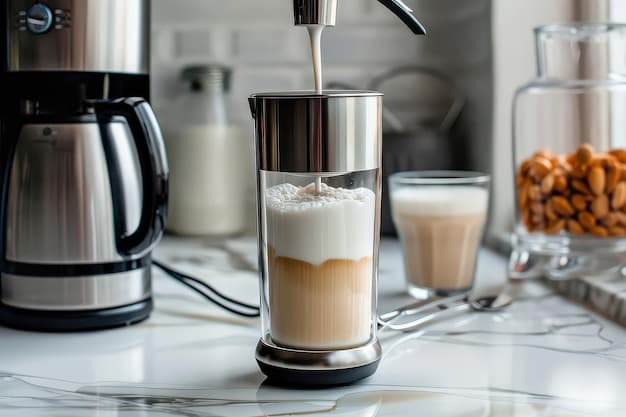
For the adventurous coffee geek, a nitro‑infusion set transforms ordinary cold brew into a silky, nitrogen‑charged beverage. The kit typically includes a CO₂‑compatible canister, a tap adapter, and a stainless‑steel storage vessel. Brew your concentrate, transfer it to the nitro bottle, charge, and watch a cascading creamy head form. The setup adds extra cost (refillable canisters) and a learning curve, but the result rivals specialty‑shop pours. Shop this type: Check price on Amazon →
How to choose
- Assess your daily volume – One‑ to two‑cup drinkers benefit from compact jars; families or offices should look at tower systems or large pitchers.
- Decide on clarity vs. body – Paper filters = crystal clear; metal meshes = richer mouthfeel.
- Pick a material – Glass for aesthetics, plastic for portability, stainless for durability.
- Evaluate maintenance – Removable filters, dishwasher‑safe parts, and wide‑mouth designs simplify daily care.
- Consider optional upgrades – Timers, sealed lids, or nitro accessories enhance the experience but aren’t essential for a great brew. Answer these five questions and you’ll land on a kit that fits your space, taste, and lifestyle without paying for unnecessary bells‑and‑whistles.
FAQ
What grind size works best for cold brew?
Use a coarse, sea‑salt consistency. Finer grinds slip through most filters, creating sediment and a cloudy brew, while a coarse grind extracts slowly for a smoother flavor.
How long should I steep my cold brew?
Typical steep times are 12–24 hours in the refrigerator. Shorter steeping yields brighter acidity; longer steeping deepens sweetness but can become overly bitter if over‑extracted.
Can I reuse coffee grounds from a cold‑brew batch?
It’s not recommended. The grounds are already depleted of most soluble compounds, so a second steep extracts very little flavor and may add unwanted bitterness.
Do I need a dedicated cold‑brew kit, or can I use a regular French press?
A French press can work for small batches, but most are designed for hot brewing and have limited capacity. Dedicated kits often include larger jars, optimized filtration, and storage‑ready lids, making them more convenient for frequent use.
How should I store cold brew after it’s filtered?
Keep the concentrate in a sealed, airtight container in the refrigerator. It stays fresh for 1–2 weeks; beyond that oxidation dulls the flavor, so brew a fresh batch as needed.
Bottom line
Choosing the right cold‑brew kit hinges on three factors: batch size, desired clarity, and maintenance tolerance. Compact immersion jars excel for single‑serve, space‑saving setups; tall‑tower drip systems provide family‑size clarity; stainless‑steel pitchers deliver durability and set‑and‑forget ease; nitro kits add a café‑grade twist for the adventurous. Match the kit to your daily habits and you’ll enjoy smooth, low‑acid coffee at the touch of a tap—no guesswork required.

%3Amax_bytes(150000)%3Astrip_icc()%2Fsea-espresso-machines-test-breville-barista-express-impress-nsimpson-058-cacb044f2fef4b56a502cdc9bfdc7aa7.jpeg&w=3840&q=75)