Ceramic vs Stainless Steel Burrs: Which Grinder Lasts Longer?
Your grinder’s burrs wear out after a few months, leaving you with inconsistent grind, wasted beans, and a frustrating cup. Choosing the right burr material eliminates that problem. Ceramic and stainless‑steel dominate the market; each offers a different balance of hardness, heat resistance, impact tolerance, maintenance, and replacement cost. This guide compares the two, maps them to grinder types, and provides a step‑by‑step framework so you can match durability to your brewing style, budget, and kitchen space. By the end you’ll know which burr construction stays sharp for years, not months.
Quick picks
- Heavy‑duty home espresso grinder – high‑volume, daily use, wants minimal wear.
- Budget‑friendly entry grinder – occasional drips, cares about cost of ownership.
- Portable hand grinder – travel or camping, tolerates rough handling.
- Commercial‑grade workhorse – shop‑floor or café, needs industrial‑grade endurance.
- Hybrid‑burr grinder – wants the heat‑reduction of ceramic with the strength of steel.
Each pick targets a specific use case, making it easier to align material choice with your routine.
What to look for
When evaluating burrs, focus on seven measurable factors.
1. Material hardness and wear resistance
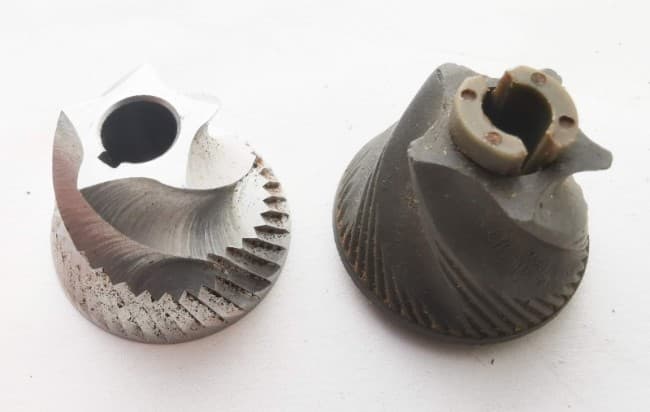
Ceramic (sintered alumina) scores 8–9 on the Mohs scale; stainless steel lands around 5–6. Higher hardness keeps the cutting edges sharp longer, but brittleness can cause chips under impact. Look for specifications such as “high‑density ceramic” or “SUS304 stainless” to verify quality.
2. Heat tolerance during grinding
Friction generates heat that can degrade delicate aromatics. Ceramic retains heat longer but stays cooler on the bean surface; steel conducts heat away quickly, keeping burr temperature low during long sessions. Aim for a material that stays under 35 °C (95 °F) at your typical grind volume.
3. Chip and fracture resistance
Impact from stone fragments or a dropped hand grinder can chip ceramic burrs. Steel flexes slightly, absorbing shocks. If you travel often, steel or a hybrid design reduces breakage risk.
4. Maintenance frequency and cleaning ease
Both materials collect oils, but steel traps fines that need weekly brushing. Ceramic’s smoother surface sheds oils, extending the interval between deep cleans. Choose the material that matches your willingness to clean.
5. Replacement cost and availability
Ceramic sets cost 15‑25 % more than comparable steel sets but often outlast them in low‑grind‑size use. Verify aftermarket options: a standard 64‑mm steel burr has many third‑party replacements, while proprietary ceramic cartridges may be limited.
6. Consistency over the life of the burrs
Durability means maintaining particle size. Steel burrs gradually broaden, leading to coarser output. Ceramic burrs usually keep geometry intact until a chip occurs. Look for user reports like “still spot‑on after 500 lb of beans.”
7. Rebuildability vs. full‑unit swap
High‑end grinders may allow professional re‑sharpening of steel burrs, extending life without a new set. Ceramic burrs are rarely re‑sharpened; they are replaced whole. If you enjoy tinkering, steel offers more flexibility.
Our picks
A stainless‑steel burr grinder for high‑volume home use
Ideal for daily espresso lovers who grind 200 g per hour. Steel’s thermal conductivity prevents overheating, and its slight flex absorbs occasional bean stones. Expect a louder grind and a mid‑to‑high price, but enjoy 1–2 years between burr replacements.
Shop this type: Check price on Amazon →
A ceramic‑burr grinder for precision and low heat
Perfect for pour‑over enthusiasts who value uniform particle size. Ceramic stays razor‑sharp until it chips, preserving delicate aromatics with its cooler surface. Choose a model with a protective housing to mitigate brittleness.
Shop this type: Check price on Amazon →
A hybrid‑burr grinder that blends ceramic and steel
For hobbyists who need both low heat and impact resistance. The steel core handles shocks while the ceramic rim keeps temperatures down for fine grinds. Price is roughly 10 % above an all‑steel unit, but you gain versatility.
Shop this type: Check price on Amazon →
A budget‑friendly stainless‑steel burr grinder for occasional use
A 40‑mm steel set offers decent durability at a low entry price. It tolerates occasional bean rocks and is easy to find replacement parts. Grind consistency won’t match premium ceramic, but it’s ample for drip, French press, and occasional espresso.
Shop this type: Check price on Amazon →
A portable ceramic hand grinder for travel and camping
Lightweight (under 300 g) and low‑heat, this hand‑crank grinder delivers a stable grind for backpacking pour‑overs. The ceramic teeth stay sharp for months, but store the unit in a hard case to avoid impact damage.
Shop this type: Check price on Amazon →
How to choose
- Identify your grind frequency. Daily espresso or high‑throughput brewing favors steel; occasional use can tolerate ceramic.
- Define your primary grind size. Ultra‑fine espresso benefits from ceramic’s sharp geometry; medium‑coarse drip works fine with steel.
- Assess your environment. A stable kitchen countertop suits brittle ceramic; mobile setups, coffee carts, or travel favor steel or hybrid.
- Gauge maintenance willingness. Steel needs regular brushing; ceramic requires less frequent deep cleaning.
- Budget for replacement parts. Compare the cost and availability of spare burrs for each material.
- Match grinder type to space. Large countertop models can host massive steel burrs; compact or hand grinders often use ceramic to keep weight down.
Running through these points will pinpoint the material that aligns with your coffee routine, workspace, and upkeep preferences.
FAQ
What makes ceramic burrs “harder” than stainless steel?
Ceramic burrs are made from sintered alumina or similar compounds that rank 8–9 on the Mohs hardness scale, whereas stainless steel sits around 5–6. The higher hardness means the teeth stay sharp longer, reducing wear.
Will a stainless‑steel burr grinder get hotter than a ceramic one?
Not necessarily. Steel conducts heat away faster, which can keep the burr temperature lower during long grinding sessions. Ceramic retains heat longer but generally doesn’t reach the same peak temperature because friction is lower on its smoother surface.
Are ceramic burrs more prone to chipping if I grind beans with stone fragments?
Yes. Because ceramic is brittle, impact from hard particles can cause micro‑chips. Many manufacturers recommend sieving beans or using a “bean cleaner” screen to protect the burrs.
How often should I replace my burrs?
It depends on usage and bean hardness. As a rule of thumb, replace steel burrs every 12–18 months of heavy home use, and ceramic burrs every 24–36 months if you grind mostly medium‑coarse beans.
Can I sharpen steel burrs myself?
Some high‑end grinders allow professional re‑sharpening of steel burrs, extending their life. DIY sharpening is not recommended unless you have the proper equipment and know the correct angle.
Do ceramic burrs affect the flavor of the coffee?
Indirectly, yes. Ceramic stays cooler, preserving volatile aromatics that can be lost at higher temperatures. Many cuppers notice a cleaner, brighter cup when using a well‑maintained ceramic set for fine espresso.
Is a hybrid burr grinder worth the extra cost?
If you value both low heat and impact resistance, a hybrid offers the best of both worlds. The modest price premium pays off when you need a versatile grinder that can handle espresso, drip, and occasional travel without swapping equipment.
Bottom line
Both ceramic and stainless‑steel burrs can be durable; the deciding factor is how you use your grinder. Steel shines in high‑volume, heat‑intensive, or rugged scenarios, while ceramic excels for low‑heat, ultra‑fine grinding and longer cleaning intervals. Hybrid models give a balanced approach for the versatility‑seeker. By matching material strengths to your brewing frequency, grind size needs, and maintenance tolerance, you’ll select a grinder that stays sharp—literally—for years to come.

%3Amax_bytes(150000)%3Astrip_icc()%2Fsea-espresso-machines-test-breville-barista-express-impress-nsimpson-058-cacb044f2fef4b56a502cdc9bfdc7aa7.jpeg&w=3840&q=75)