Best Single‑Serve Coffee Makers for Espresso Lovers
Do you crave a café‑quality espresso shot every morning but lack counter space, time, or the desire to heat a full‑size machine? A single‑serve espresso maker solves that problem by delivering barista‑grade pressure in a compact footprint. In the sections below we break down the main styles, the specs that actually affect flavor, and the top models for each use case. By the end you’ll know exactly which machine fits your kitchen layout, budget, and milk‑frothing habits so you can stop guessing and start pulling perfect shots.
Quick picks
- Compact pod‑press machines – Ideal for studios, dorm rooms, or anyone with limited counter space.
- Semi‑automatic single‑serve brewers – Offer manual control over grind dose and tamp while still using capsules or ground coffee.
- Dual‑boiler countertop units – Small enough for a kitchen island yet powerful enough for back‑to‑back shots and milk steaming.
- Portable espresso shooters – Battery‑operated or hand‑pump models for travel, camping, or office drawers.
- Hybrid bean‑to‑cup mini‑machines – Integrated grinder and brewing chamber for fresh‑ground espresso without a full‑size system.
What to look for
Pump pressure and consistency
True espresso needs at least 9 bars, but reputable single‑serve machines advertise 15 bars or higher. Consistent pressure throughout the 25–30 second extraction is more important than a peak rating. Variable‑speed or rotary pumps tend to be quieter and steadier than vibrating pumps. Verify real‑world bar readings in reviews rather than relying on vague “high pressure” claims.
Boiler type and temperature stability
Temperature swings of a few degrees destroy crema. Choose between a single thermoblock, a dual‑boiler (separate brew and steam elements), or a heat‑exchange system. For nuanced flavor, a dual‑boiler or high‑quality thermoblock with rapid heat‑up (under 30 seconds) and PID control offers the most repeatable results.
Capsule vs. ground‑coffee compatibility
Machines locked to proprietary pods limit experimentation. Models that accept standard ESE pods, reusable metal filters, or loose grounds let you use specialty roasts. Ensure the brew head fits a 7‑gram basket and that a reusable filter is available.
Milk frothing options
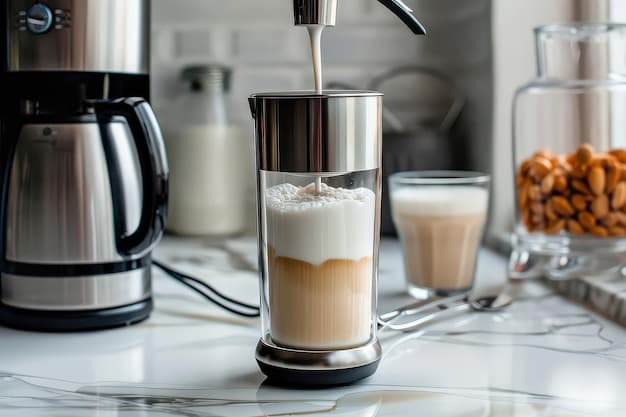
A good espresso shot is only half the story if you enjoy lattes or cappuccinos. Built‑in steam wands give full control; automatic frothers simplify texture and temperature. Detachable frothing pitchers are useful when countertop space is at a premium.
Footprint and ergonomics
Widths range from 4 inches (hand‑pump) to 12 inches (countertop units). Measure depth, height, and weight before buying. Intuitive controls—press‑and‑hold brew buttons, clearly labeled steam knobs, and a visible water‑level indicator—reduce the learning curve.
Water reservoir and filtration
A removable, dishwasher‑safe tank of at least 0.5 L balances capacity and size. Built‑in filters protect against mineral buildup and improve flavor, especially in hard‑water areas.
Maintenance and descaling cycle
Regular cleaning prevents oil residue and scale. Look for an automatic descaling program, removable brew group, and dishwasher‑safe parts. Machines that rely on proprietary cleaning pods add cost; those compatible with standard descaling solutions are more economical.
Our picks
Compact pod‑press machines for tiny spaces
If your kitchen resembles a studio apartment or you need a device that disappears into a cabinet, a compact pod‑press is the answer. These units sit on a single plug, occupy less space than a toaster, and heat up in under 30 seconds. They use a high‑pressure pump and accept standard 7‑gram espresso pods or reusable stainless‑steel filters. The trade‑off is the absence of a steam wand, so a separate frother is required for milk drinks.
Best suited for: Students, office cubicles, or anyone who values space over milk‑based drinks.
Shop this type: Check price on Amazon →
Semi‑automatic single‑serve brewers with grind flexibility
A step up from the pod‑press, semi‑automatic machines let you control brew pressure, shot volume, and coffee form (capsules, ESE pods, or loose grounds). Pre‑infusion gently wets the puck before full pressure, improving extraction for specialty beans. Most include a small steam wand or detachable frothing nozzle. Pair with a burr grinder for the freshest espresso. The footprint matches a mid‑range coffee maker and requires a learning curve for grind size and tamp pressure.
Best suited for: Home baristas who want to experiment with beans and enjoy hands‑on brewing without a full‑size workstation.
Shop this type: Check price on Amazon →
Dual‑boiler countertop units for serious shot consistency
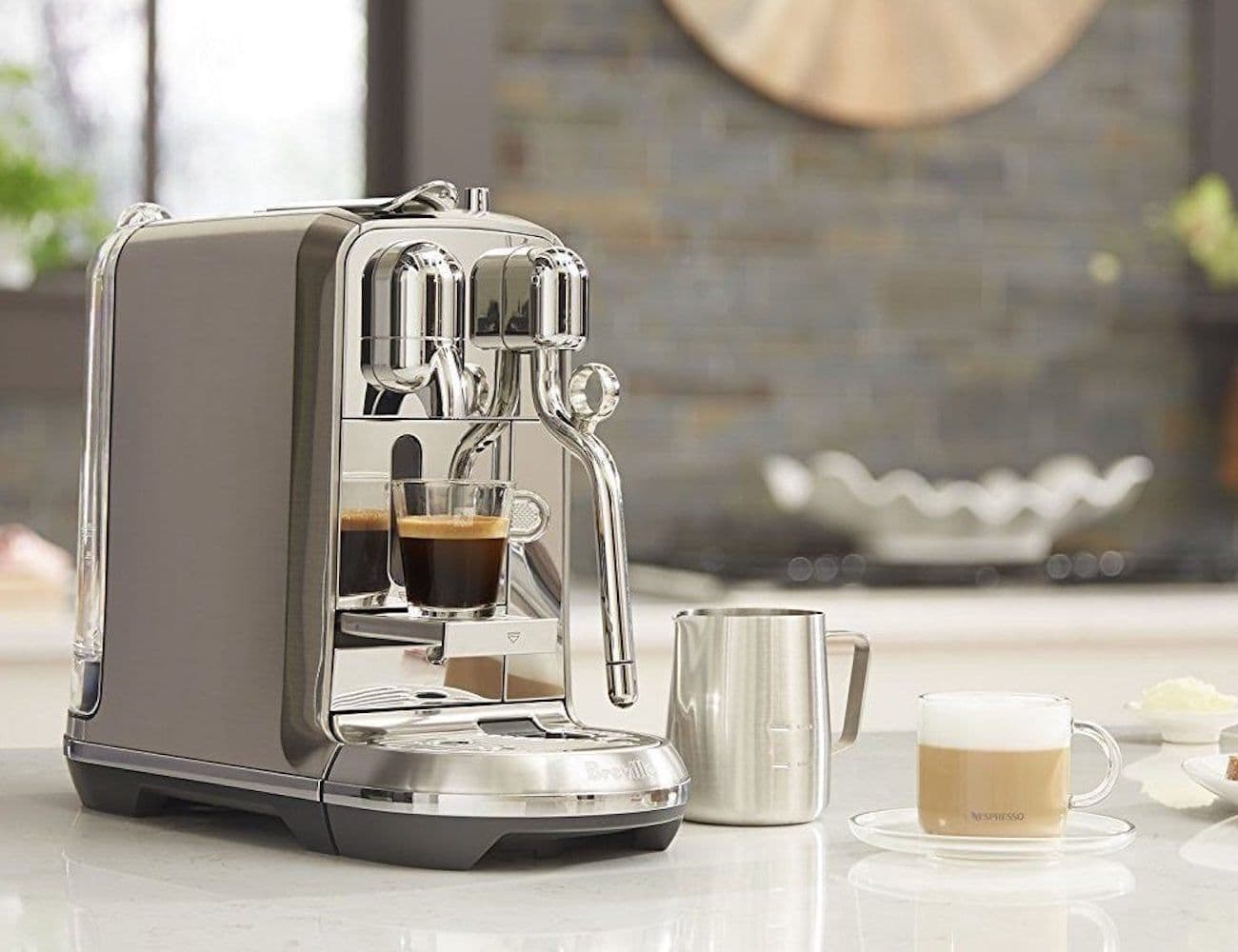
For café‑level performance in a single‑serve footprint, dual‑boiler countertop machines are ideal. Separate heating elements handle brewing and steaming, allowing back‑to‑back shots while the wand stays ready. PID control keeps brew water within ±1 °C of the target. Many models now offer an “espresso pod adapter” or a single‑serve ground‑coffee basket. They are louder and heavier than pod‑presses and need regular maintenance, but the extraction quality justifies the effort.
Best suited for: Small families or couples who drink espresso daily and demand consistent crema, temperature stability, and latte‑art capability.
Shop this type: Check price on Amazon →
Portable espresso shooters for on‑the‑go brewing
Travel, camping, or office drawers call for portable shooters. Hand‑pump or rechargeable‑battery units generate 9‑15 bars, accept a 7‑gram ground‑coffee basket, and require manual tamping. Because there is no boiler, you heat water separately (kettle, travel mug, etc.). The result is a true espresso shot anywhere you have hot water.
Best suited for: Travelers, outdoor enthusiasts, and office workers who want a personal espresso station without wiring into a wall outlet.
Shop this type: Check price on Amazon →
Hybrid bean‑to‑cup mini‑machines for fresh‑ground convenience
If you want a single‑serve machine that grinds beans on demand, look for a hybrid bean‑to‑cup mini‑machine. These compact units house a burr grinder, high‑pressure pump (often 15 bars), and usually a steam wand—all within a footprint similar to a drip coffee maker. One‑button operation doses, tamps, and brews automatically. Pressure may be slightly lower than high‑end dual‑boilers, but crema is acceptable for home use. Cleaning involves both the grinder and brewing system.
Best suited for: Busy households that crave fresh‑ground espresso with a single button press and are willing to maintain a more complex machine.
Shop this type: Check price on Amazon →
How to choose
Map your daily espresso ritual first. Need a single shot before work in a tiny kitchen? Compact pod‑press wins on size and speed. Want to tweak grind size, experiment with roasts, and occasionally steam milk? Semi‑automatic offers control and flexibility. Require café‑grade temperature stability and back‑to‑back shots for two people? Dual‑boiler countertop is the most future‑proof, despite higher price and upkeep. Spend more time outdoors than at home? Portable shooter eliminates the outlet and lets you brew wherever hot water is available. Desire fresh‑ground espresso at the push of a button? Hybrid bean‑to‑cup mini provides that convenience with a modest cleaning regimen.
After selecting a category, verify key specs: minimum 15 bars pressure, stable temperature (PID or quality thermoblock), compatible brewing format (capsule, ESE pod, or ground), and a steam wand if milk drinks matter. Scan user reviews for noise, durability, and ease of descaling. Then compare price, warranty, and aesthetic fit to your kitchen décor to choose the best single‑serve espresso solution for your lifestyle.
FAQ
How much pressure is enough for a good espresso shot?
Espresso extraction requires a minimum of 9 bars, but most single‑serve machines advertise 15 bars to provide a safety margin and ensure consistent crema. Look for a model that maintains that pressure throughout the entire brew cycle.
Can I use regular espresso beans with a pod‑press machine?
Yes, if the machine accepts a reusable metal filter or a standard 7‑gram basket. This lets you grind fresh beans from any specialty roaster while still using a single‑serve format.
Do I need a separate milk frother with a dual‑boiler unit?
Most dual‑boiler single‑serve models include a built‑in steam wand, though the wand may be smaller than commercial versions. If you regularly create latte art, an external frothing pitcher that fits onto the wand can improve results.
How often should I descale my single‑serve espresso maker?
Frequency depends on water hardness. With soft water, descaling every 2–3 months is usually sufficient. Hard water may require monthly cycles. Look for an automatic descaling program or a clear indicator on the machine.
Are portable espresso shooters worth the effort of manual tamping?
If you value the freedom to brew espresso anywhere and enjoy a hands‑on ritual, portable shooters are a great choice. They require tamping and separate water heating, adding steps but delivering an authentic espresso experience on the go.
Can I make a lungo or Americano with a single‑serve espresso maker?
Absolutely. Most machines let you adjust shot volume (e.g., 30 ml for a short espresso, 60 ml for a lungo). For an Americano, pull a standard shot and add hot water to reach your desired strength.
Bottom line
Choosing the best single‑serve coffee maker hinges on three factors: space, control, and milk‑frothing needs. Compact pod‑presses deliver speed and a tiny footprint; semi‑automatic brewers give grind flexibility and manual tweaking; dual‑boiler countertop units provide café‑grade consistency; portable shooters let you brew anywhere; and hybrid bean‑to‑cup minis combine fresh grinding with single‑serve convenience. Match your routine to one of these categories, verify pressure, temperature stability, brewing format, and frothing capability, and you’ll enjoy barista‑quality espresso on your terms. Happy brewing!

%3Amax_bytes(150000)%3Astrip_icc()%2Fsea-espresso-machines-test-breville-barista-express-impress-nsimpson-058-cacb044f2fef4b56a502cdc9bfdc7aa7.jpeg&w=3840&q=75)