How to Choose Premium Single Origin Coffee Beans
If you’ve bought a $20 bag of “single‑origin” coffee only to taste a bland cup, you’ve felt the frustration of paying extra for a label that didn’t deliver. The problem isn’t the brand—it’s a lack of clear criteria to separate true premium beans from marketing hype. This guide shows you the exact data points that prove a bean is premium, how to match those points to your brewing method, and three curated selections that satisfy espresso, pour‑over, and cold‑brew lovers.
Quick picks
- Espresso‑focused single‑origin beans – dense, sweet, often lightly natural processed for rich crema.
- Filter‑drip or pour‑over single‑origin beans – high‑altitude, washed beans that highlight acidity and clarity.
- Cold‑brew‑ready single‑origin beans – naturally processed beans with fruit‑forward notes that mellow over 12‑18 hours.
- Organic, shade‑grown single‑origin beans – for eco‑conscious drinkers who want clean flavor without pesticide residues.
- Limited‑edition micro‑lot beans – tiny harvests from a single farmer that command a premium price but reward you with unique flavor stories.
What to look for
1️⃣ Origin specificity
Premium beans reveal more than the country name. Look for country + region + farm or cooperative (e.g., “Yirgacheffe, Sidama, Gedeo Farm”). The narrower the geographic focus, the more control the grower has over soil composition, altitude, and harvest timing—all of which shape flavor nuance.
2️⃣ Processing method
The way the coffee cherry becomes a bean is a flavor‑defining decision.
- Washed (wet) process – clean, bright acidity, often floral or citrus.
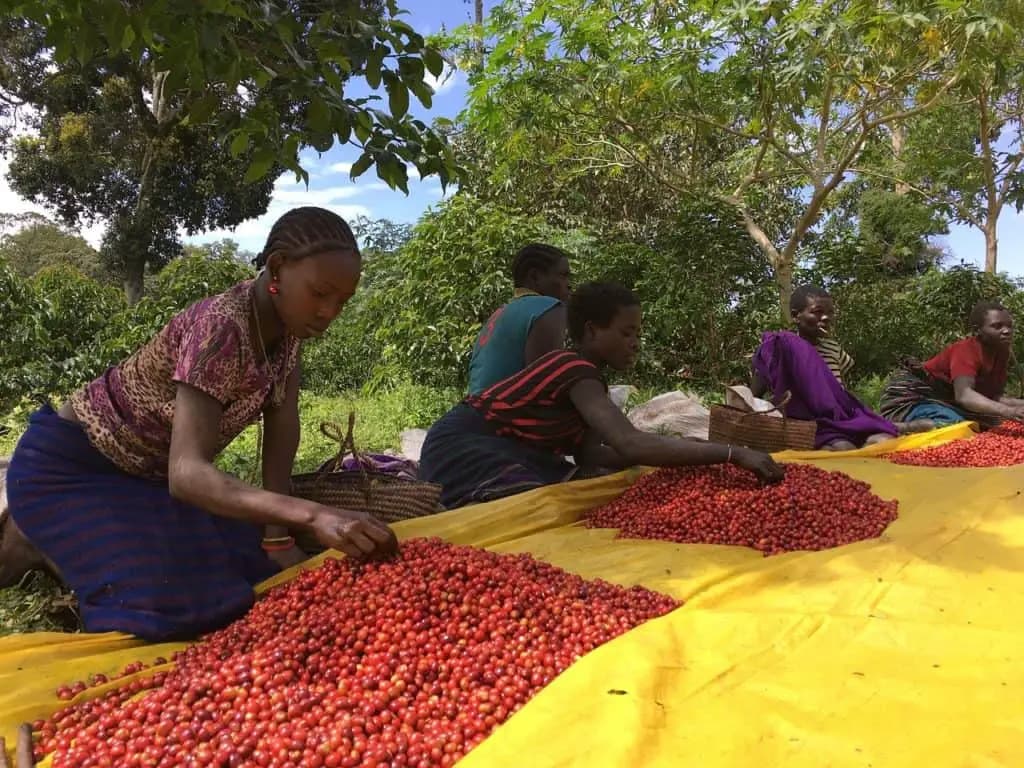
- Natural (dry) process – fruit‑forward, body‑rich, sometimes wine‑like.
- Honey (pulp‑washed) – a middle ground with pronounced sweetness and moderated acidity. Premium packaging will state the method and may note fermentation length or drying altitude, which signals extra care.
3️⃣ Cupping score & certification
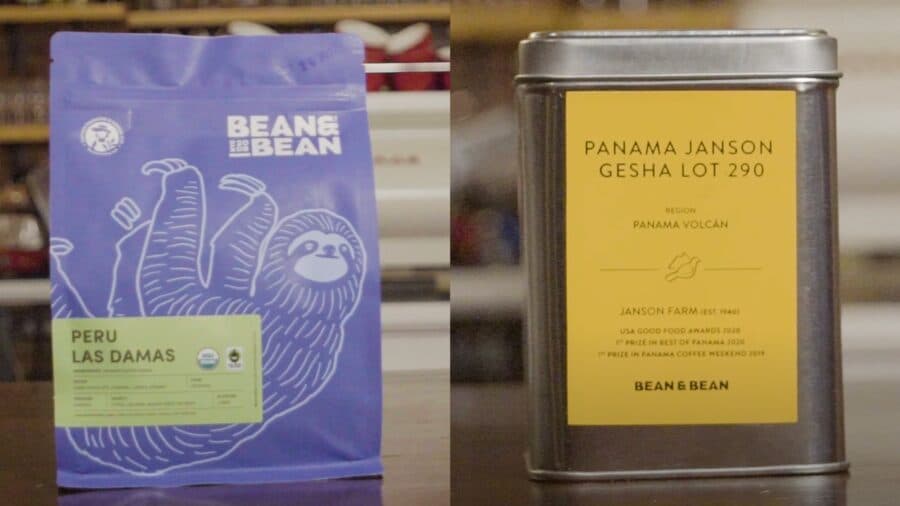
Specialty coffee is graded on a 100‑point scale by the Coffee Quality Institute or SCAA. Scores 85 + confirm the bean meets strict standards for aroma, flavor, aftertaste, acidity, body, balance, and defect count. Look for a printed score, QR code, or a link to the full cupping report. Certifications such as Direct Trade, Fair Trade, or Organic add ethical confidence but are secondary to the cupping score.
4️⃣ Roast level & roast date
Premium single‑origin beans are typically roasted light to medium‑light to preserve the terroir’s intrinsic flavors. A clear roast date—preferably within the past 14 days—guarantees freshness. Some roasters also stamp “small‑batch” or “artisan‑roasted,” indicating tighter quality control.
5️⃣ Altitude & varietal info
Higher altitude (> 1 800 m) forces the coffee plant to mature slowly, building sugars and complex acids. If the bag lists altitude and cultivar (e.g., Heirloom, Typica, Bourbon), you know the farmer tracks genetics that translate into distinctive cup profiles.
6️⃣ Supply‑chain transparency
Premium beans often come with a story: farmer name, cooperative, and sometimes a farm photo. This traceability proves the coffee is truly single‑origin, not a blended masquerade, and lets you verify ethical practices.
7️⃣ Packaging integrity
Look for bags with one‑way valve that release CO₂ while keeping oxygen out. Excess oxygen accelerates staling, eroding the bright notes that make single‑origin beans special.
Our picks
📍 Light‑to‑medium roasted Ethiopian Yirgacheffe for flavorful espresso
If you crave espresso with a floral‑citrus punch, a light‑to‑medium roasted Yirgacheffe from the Sidamo highlands is a stellar choice. The beans are washed, preserving bright acidity while delivering a silky body that creates thick crema. Target a cupping score of 86 + and a roast date within two weeks of purchase. This style excels in a pressure‑controlled machine (9 bar or higher) where delicate aromatics can shine without over‑extraction.
Ideal for: Home baristas seeking a single‑origin espresso that stands out from the usual Central‑American blends.
Trade‑offs: Light roasting may lack the heavy chocolate notes some expect; a high‑quality burr grinder is essential for a fine, consistent grind that prevents channeling.
Shop this type: Check price on Amazon →
📍 Medium‑roasted Colombian washed beans for clean pour‑over coffee
Colombian beans from the Cauca or Huila regions, washed and roasted to a medium level, deliver a classic balance of caramel sweetness, bright acidity, and buttery mouthfeel—perfect for a V60 or Chemex. Scores of 87 + and an altitude of 1 600‑1 800 m give a clean flavor that highlights subtle fruit without overwhelming bitterness.
Ideal for: Beginners and seasoned pour‑over enthusiasts who value consistency and a “crowd‑pleaser” cup that works across water temperatures (195‑205 °F).
Trade‑offs: The profile is nuanced but less exotic than natural‑processed beans; precise grind size and brew ratio are key to extracting the full sweetness.
Shop this type: Check price on Amazon →
📍 Natural‑processed Kenyan AA for bright cold‑brew
Kenyan AA beans, especially those naturally processed and roasted light, produce a cold‑brew with vibrant berry‑like acidity, jammy fruit, and a lingering sweet finish. The high altitude (≈ 2 000 m) and AA grading indicate large, uniform beans that grind evenly—critical for a smooth, low‑acidity cold brew. Aim for a cupping score of 88 + and a roast within ten days for optimal extraction over a 12‑hour steep.
Ideal for: Cold‑brew lovers who want a refreshing alternative to typical chocolatey or nutty profiles and are ready to experiment with a longer steep and fine‑to‑medium grind.
Trade‑offs: Natural processing can add subtle “fermented” notes that some find wild; the bright acidity may be less muted than in a dark roast, so a splash of milk or sweetener can tame the edge.
Shop this type: Check price on Amazon →
How to choose
- Identify your primary brew method. Espresso, pour‑over, and cold brew each thrive with particular roast levels and processing styles. Selecting a method first narrows the field dramatically.
- Verify origin details. A bag that lists country, region, farm, and altitude is almost always higher quality than one that stops at “Ethiopia.”
- Check the cupping score and roast date. Scores 85 + are a safe benchmark; a roast date within the past two weeks ensures peak flavor.
- Consider certifications only as bonuses. Organic or Direct Trade labels signal ethical practices but do not replace a high cupping score.
- Calculate price per ounce. Premium single‑origin beans range from $15‑$30 for a 12‑oz bag. If a bag exceeds this range, confirm it offers a micro‑lot, rare varietal, or exceptional cupping score that justifies the cost.
- Assess packaging. One‑way valve bags protect the beans from oxygen; without this feature, the beans may stale faster, eroding the nuanced flavors you paid for.
By aligning your brew, flavor expectations, and ethical priorities, you cut through the endless options and land on a premium single‑origin bean that consistently delivers terroir‑driven flavor.
FAQ
What exactly does “single origin” mean? It means the beans come from one specific geographic location—usually a country, region, and often a single farm or cooperative—rather than being blended from multiple sources.
How can I tell if a single‑origin bean is truly premium? Look for a cupping score of 85 +, a clear roast date (within 14 days), detailed origin information, and a transparent processing method on the packaging.
Does the processing method affect the caffeine content? Processing (washed, natural, honey) changes flavor and body but has negligible impact on caffeine; caffeine levels depend more on bean variety and roast level.
Are premium single‑origin beans always more expensive than blends? Generally yes, due to smaller harvests, traceability, and higher farm‑gate prices. Sales or subscription discounts can narrow the price gap.
Can I store premium single‑origin beans for months and still get good flavor? Peak flavor lasts 2‑4 weeks after the roast date when stored in an airtight container away from light and heat. After that, brightness and aromatics gradually fade.
Do I need a special grinder for single‑origin beans? A good burr grinder is essential for all premium beans. It provides consistent particle size, which is critical for extracting the nuanced flavors that single‑origin coffees offer.
Bottom line
A premium single‑origin coffee bean is the result of a specific farm, meticulous processing, high cupping scores, and tight freshness control. By matching the bean’s roast level, processing method, and origin to your preferred brew style, you can reliably enjoy the terroir‑driven flavors that make specialty coffee worth the extra sip. Happy brewing!

%3Amax_bytes(150000)%3Astrip_icc()%2FSimply-Recipes-Cold-Brew-Coffee-LEAD-16-428691bcdd594281b2f5dc6dbc8235e4.jpg&w=3840&q=75)